
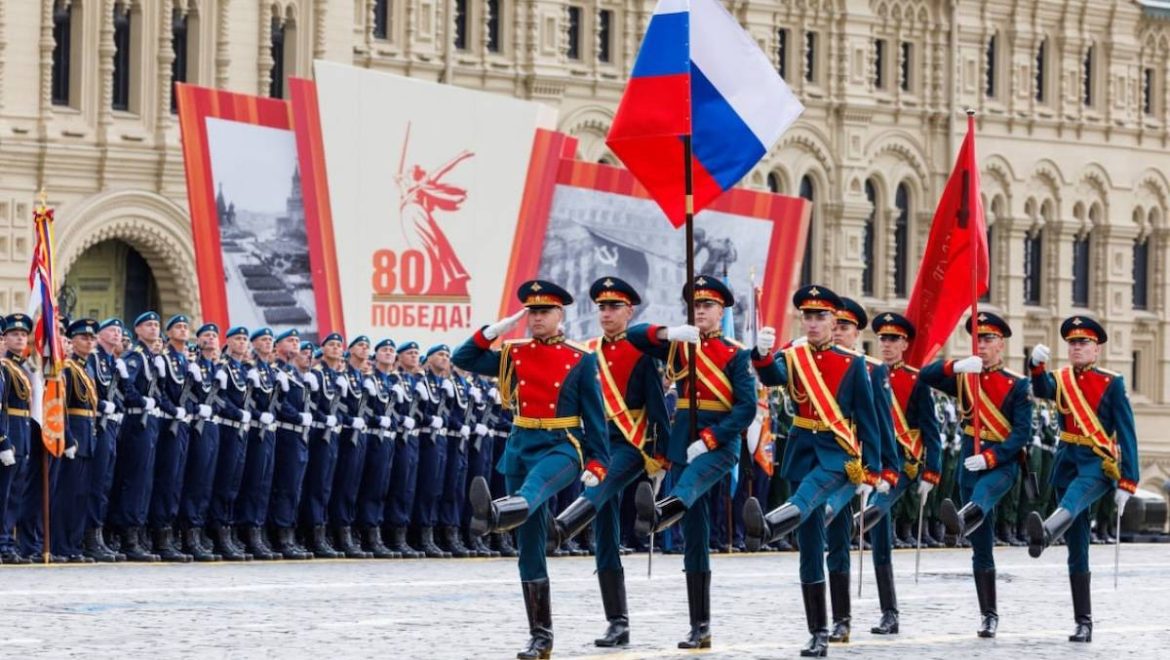

Despite many efforts for a ceasefire, the war in Ukraine continues unabated. Russia’s war against Ukraine actually began in 2014 with the annexation of Crimea and continued through intermittent clashes. In February 2022, however, Moscow launched a full-scale invasion, escalating the war to a new level. Yet, Russia—despite its claim of being a superpower—failed to
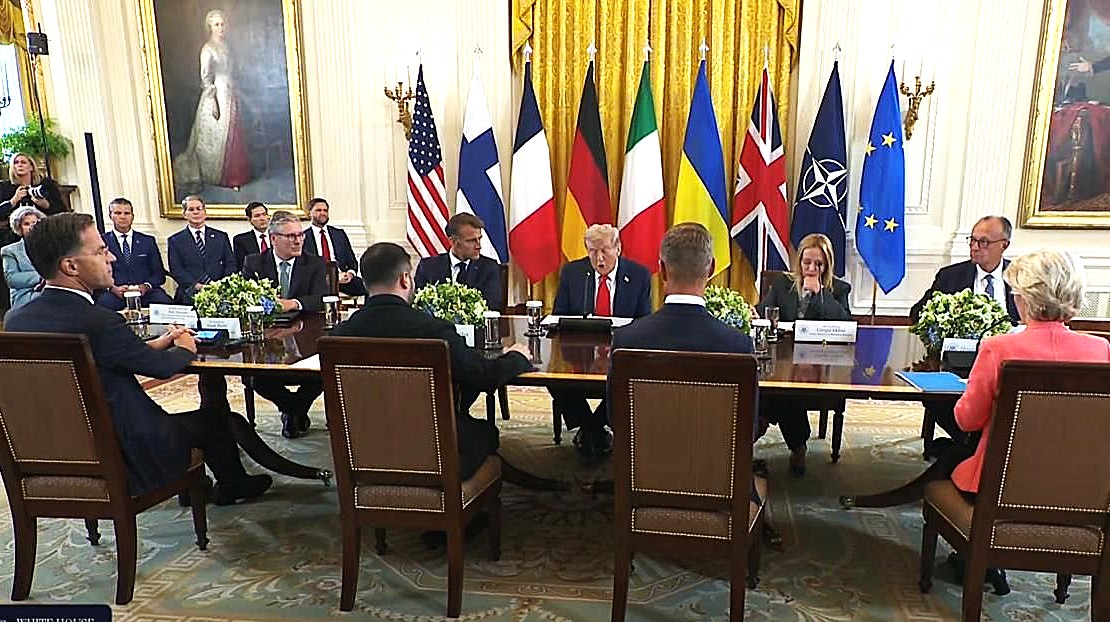

August 18, 2025, may go down in history as a dark day for European diplomacy. Three days after meeting Russian President Vladimir Putin in Alaska on August 15, U.S. President Donald Trump, outmaneuvering European leaders, summoned them to his doorstep, saying, “Come, let me explain.” Putin had not wanted Ukrainian President Volodymyr Zelenskyy at the
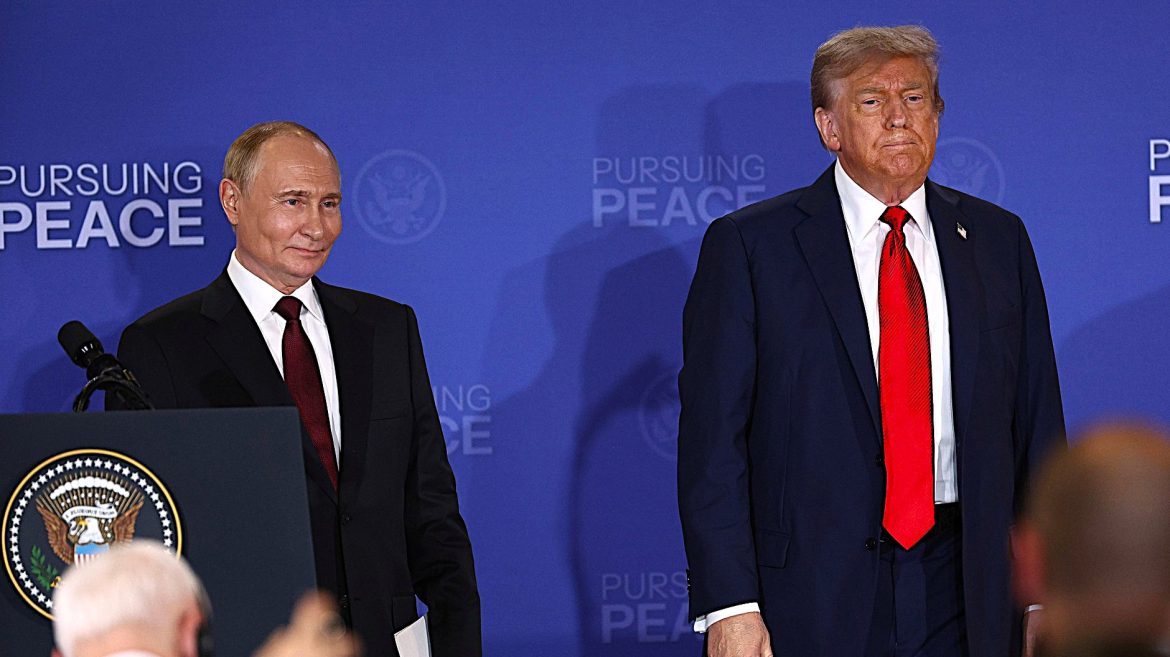
The three-hour meeting between U.S. President Donald Trump and Russian President Vladimir Putin on August 15 at the Elmendorf–Richardson Air Force base in Anchorage, Alaska, bore some resemblance to the Yalta Conference of 1945, which marked the end of World War II. Eighty years ago, the United States, the Soviet Union (USSR), and the United
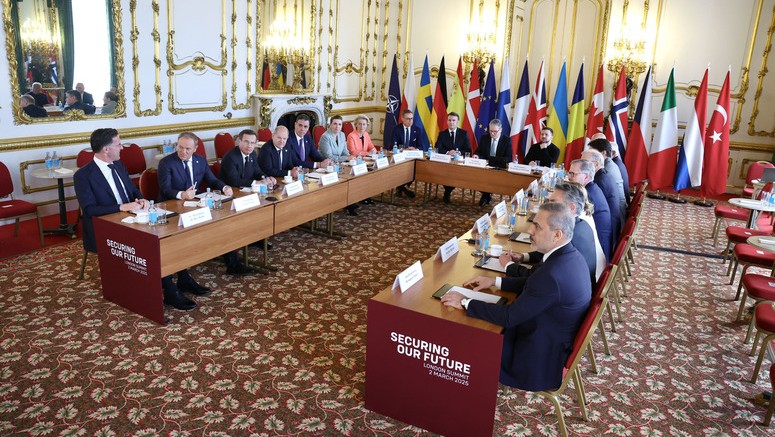

NATO has been the cornerstone of Western security for over seven decades, preventing another world war despite setbacks in various conflicts. However, with Donald Trump back in the White House and openly questioning America’s role in the alliance, NATO’s future has become increasingly uncertain. Can Europe step up and defend itself without the US? What
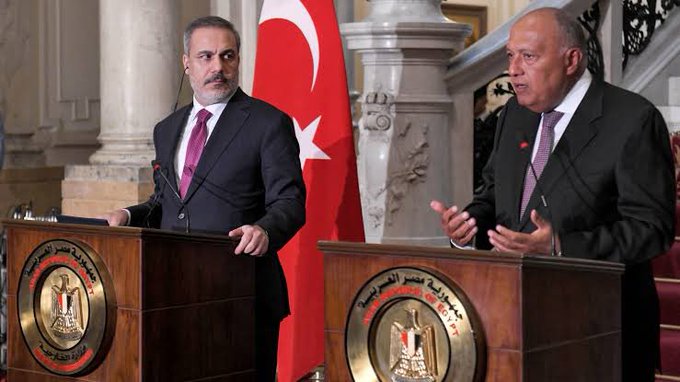
Turkish Foreign Minister Hakan Fidan offered to act as guarantor for Israeli-Palestinian peace on October 16 at a press conference with his Egyptian counterpart Sameh Shoukry. I find it quite important. But first, I would like to talk about the diplomatic scandals that took place in the midst of the war and that were initiated