
Turkish Domestic Politics: Analysis and forecast on all relevant developments and insight about Turkish politics with its repercussions in its neighboring countries
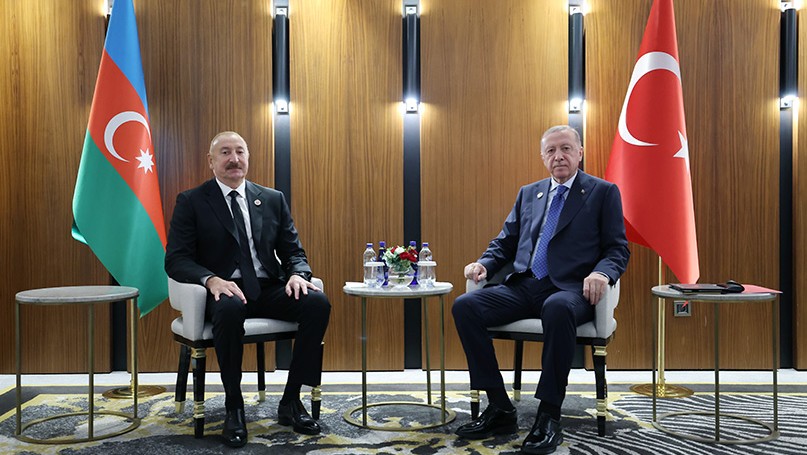

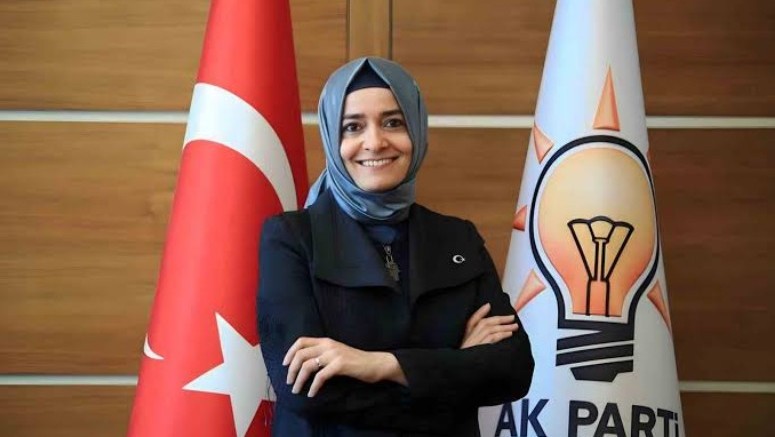

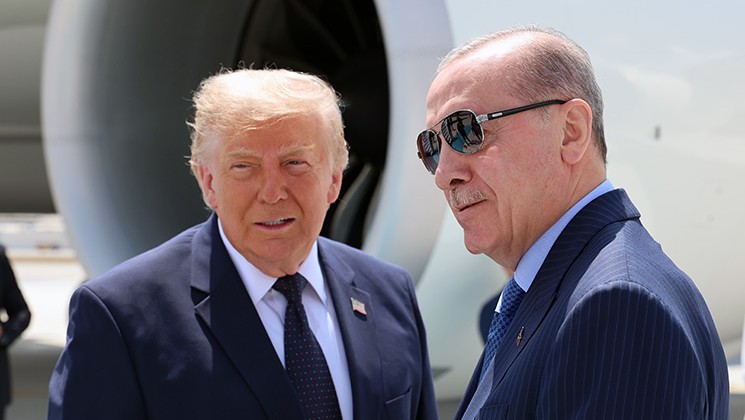
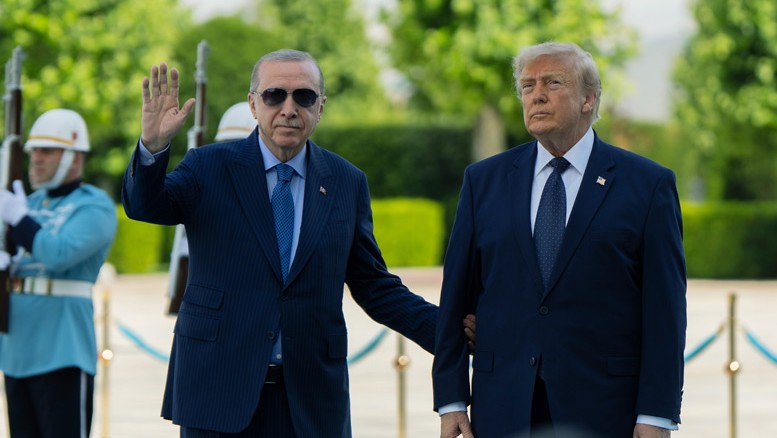
Ahead of President Recep Tayyip Erdoğan’s visit to the United States to attend the UN General Assembly on September 22, Ankara announced two economic sanctions against Iran, shortly before his expected meeting with President Donald Trump. The first came on September 16, when the Civil Aviation Directorate General of the Ministry of Transport announced that
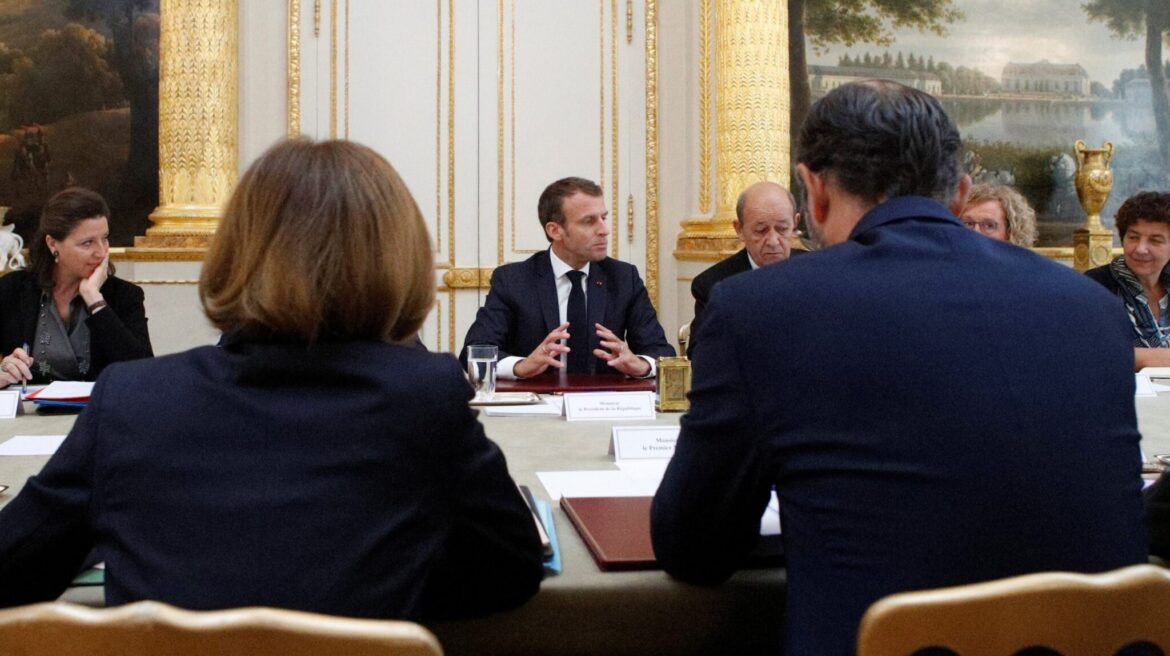

Recent developments in Paris point to a noticeable shift in Europe’s understanding of security. On Friday, 18 September, Emmanuel Macron brought together political party leaders and figures expected to play prominent roles in the next presidential election at the Élysée Palace. Yet politicians were not the only people around the table. Senior representatives from domestic
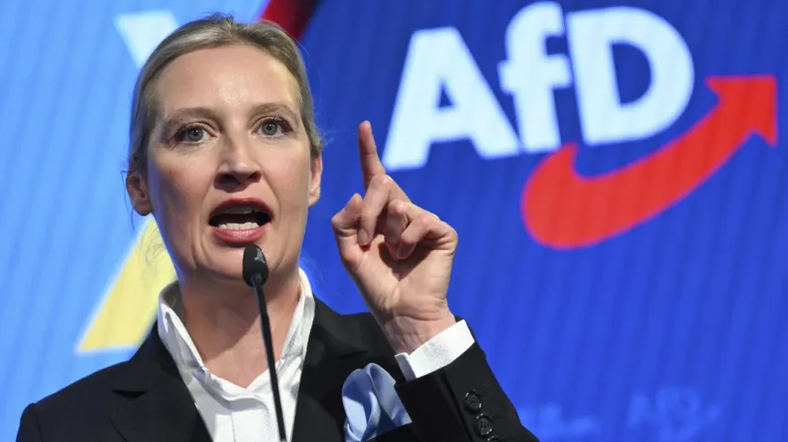
US President Donald Trump’s Special Envoy Steve Witkoff left Moscow empty-handed after receiving a lecture from Russian President Vladimir Putin during his September 5 visit to discuss the war in Ukraine. On September 6, the day he was due to deliver the bad news to Ukrainian President Volodymyr Zelenskyy, Germany’s far-right Alternative for Germany (AfD)

Ratko Mladić is dead. But his death has reopened one of the darkest chapters in the Balkans, a chapter many believed had been closed three decades ago. Mladić was the commander of the Bosnian Serb Army during the Bosnian War. He was convicted of genocide in Srebrenica, crimes against humanity and war crimes, and was
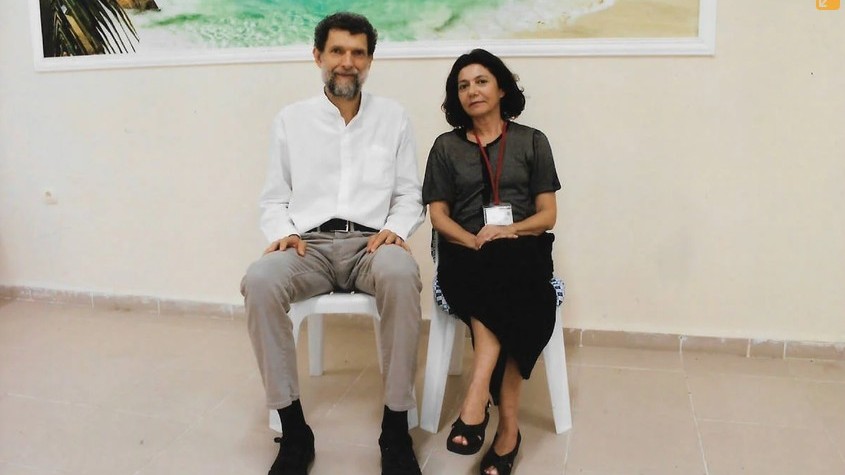
The Grand Chamber of the European Court of Human Rights (ECtHR) has again found Türkiye in the wrong in Osman Kavala’s second application alleging violations of his rights. In its ruling announced at the hearing on 25 August, the Court found that Türkiye had violated six articles of the European Convention on Human Rights (ECHR),
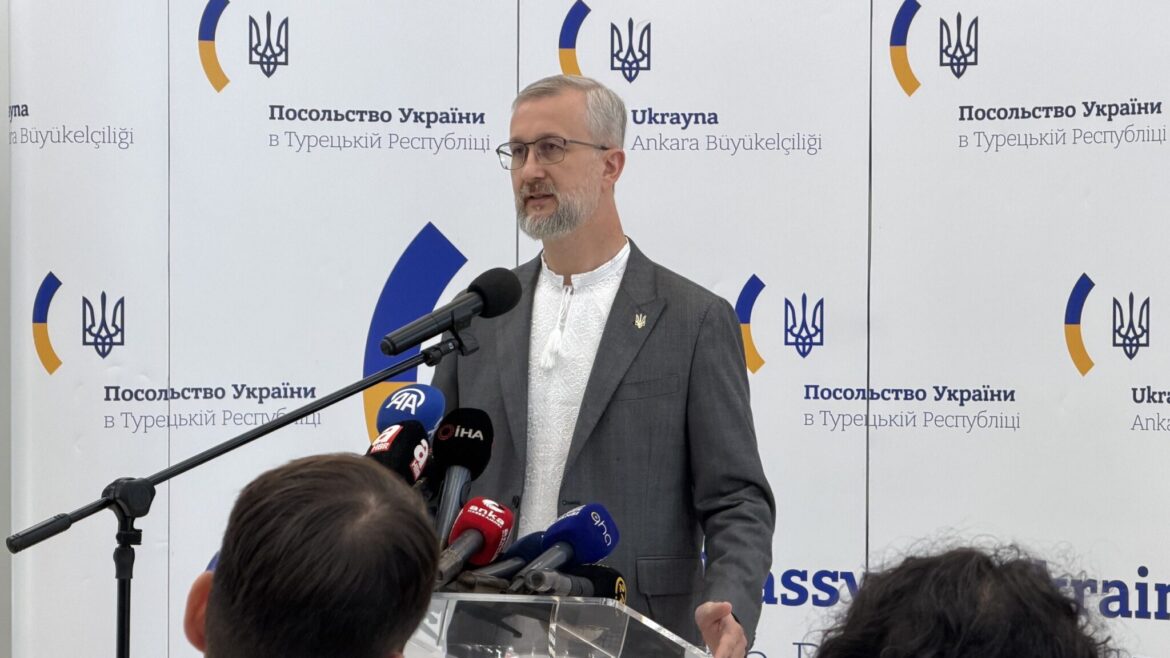
Ukrainian Ambassador Naryman Dzhelialov said that they, too, were saddened by the deaths of civilians as a result of civilian cargo ships being struck in the Black Sea, but that it should also be understood that a war is currently under way in the region. Dzhelialov also commented on the civilian vessels struck by Ukrainian
Israeli Prime Minister Benjamin Netanyahu’s description of Israel’s strike on the Abu al-Duhur military airbase, near Syria’s border with Türkiye and undergoing repairs, by Israeli jets early on the morning of August 18 as a “message to Türkiye” in a statement to the Israeli Army Radio’s podcast service on the evening of August 18, further
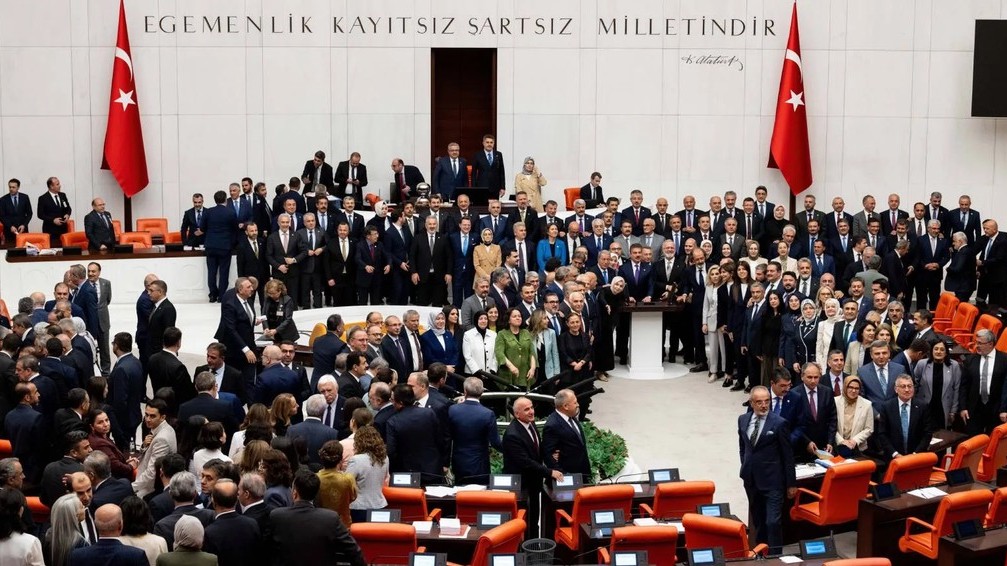
The framework law, the key document serving as the roadmap for implementing the “Terror-Free Türkiye” process, was approved by a clear majority in a vote held in the General Assembly of the Grand National Assembly of Türkiye (TBMM) on August 10. The bill for the law, whose full name is the “Law on Strengthening National