Turkish Domestic Politics: Analysis and forecast on all relevant developments and insight about Turkish politics with its repercussions in its neighboring countries
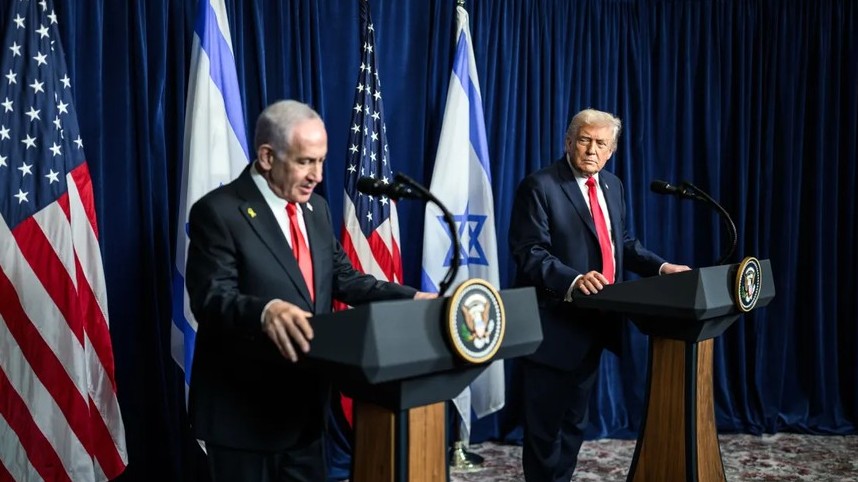

When U.S. President Donald Trump announces that he is about to launch the biggest attack yet against Iran, only to call it off at the last minute, that in itself has become newsworthy. Yet what truly matters is a single sentence he uttered while explaining aboard Air Force One why the latest strike had been
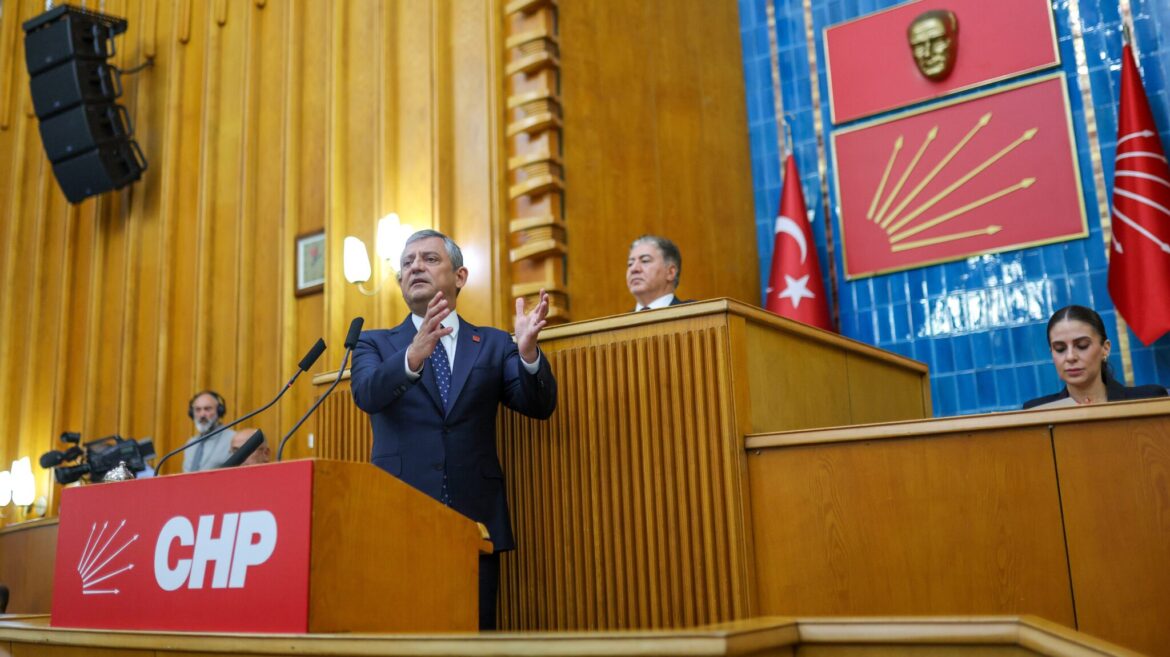
The expected has happened. Speaking at the CHP parliamentary group meeting on 21 July, which he described as arriving “with the sadness of a farewell whose time has come,” Özgür Özel announced that he and his allies would establish a new political party. The party is expected to be formally launched by the beginning of
Russian Ambassador to Ankara Sergey Vershinin, will host an intriguing event on 16 July. In fact, it is a joint initiative with China’s Ambassador to Ankara Jiang Xuebin , though the venue has been set as the Russian Embassy. A conference will mark the 25th anniversary of the Treaty of Good-Neighborliness, Friendship and Cooperation between Russia
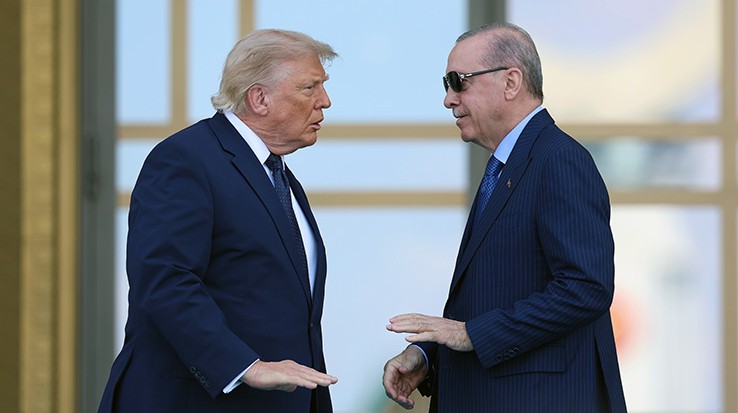
For Turkey, there are effectively two summits taking place in Ankara. One is the NATO summit, where the Alliance is expected to enter what many describe as its new “3.0 era.” The other is the bilateral meeting between President Recep Tayyip Erdoğan and U.S. President Donald Trump. Only about ten days ago, Trump told NATO
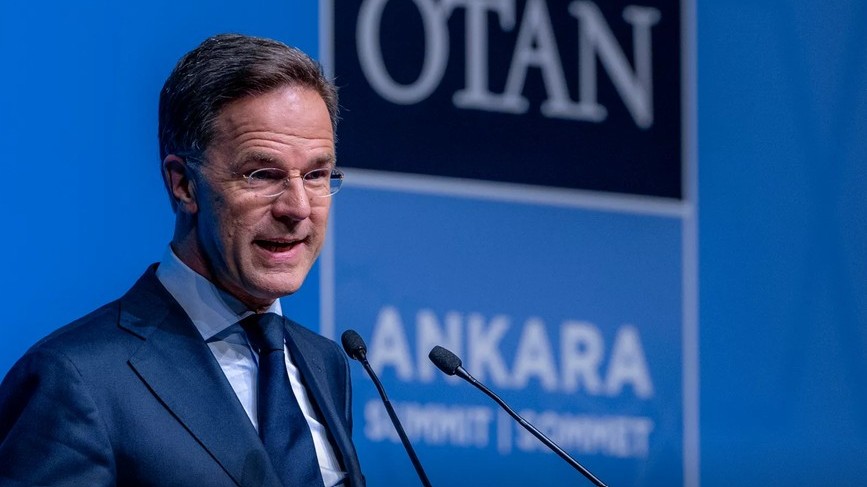
If you view NATO’s July 7–8 Ankara Summit as the founding meeting of the “New Cold War” NATO, then the legal cases against Turkey’s main opposition Republican People’s Party (CHP) and Istanbul Mayor Ekrem İmamoğlu no longer appear contradictory. It also fits with U.S. President Donald Trump’s renewed warnings about the “communist threat” during
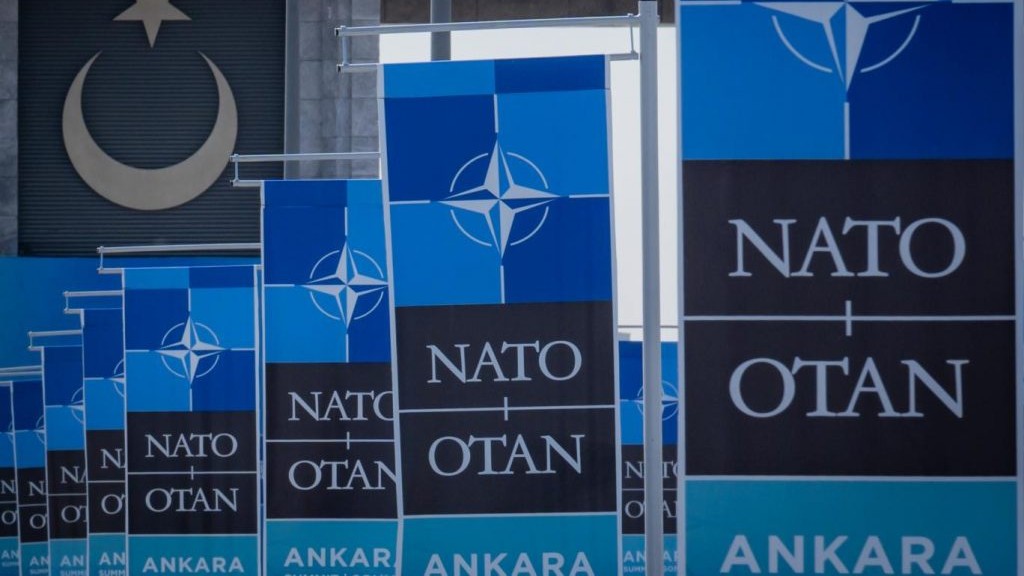
The Western defense alliance NATO wants its members to increase military spending at the July 7-8 Ankara Summit. But this is not simply about persuading European allies to dig deeper into their pockets if they fear Russia. The “NATO 3.0” doctrine, which will dominate the agenda as 32 leaders gather in Ankara under the hosting
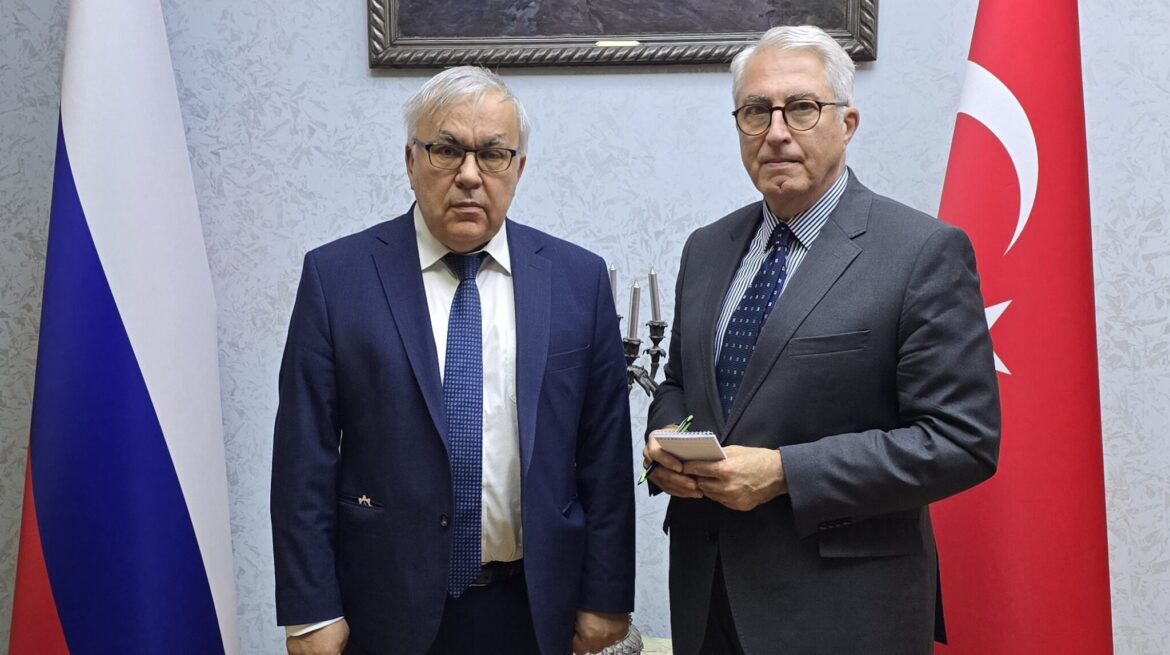
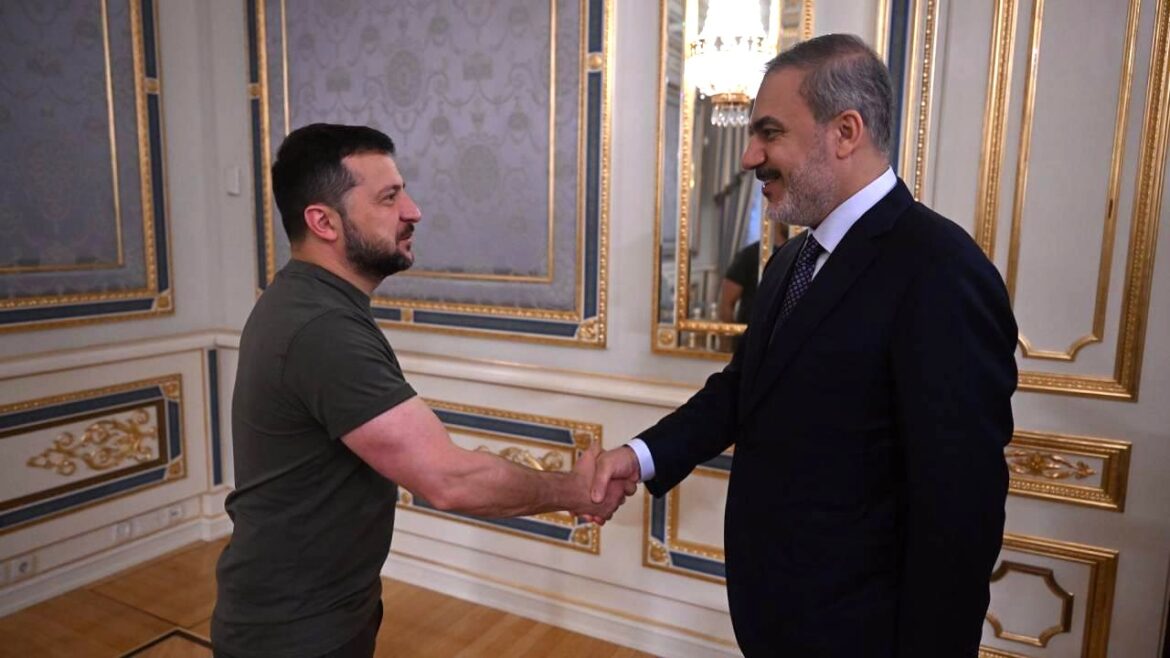
Foreign Minister Hakan Fidan’s June 16–17 visit to Moscow was significant in several respects. Fidan not only met with Russian Foreign Minister Sergey Lavrov. He also conveyed a message from President Tayyip Erdoğan to Russian President Vladimir Putin, briefed the Russian side on the U.S.-Iran understanding and Türkiye’s role in it, and held talks with
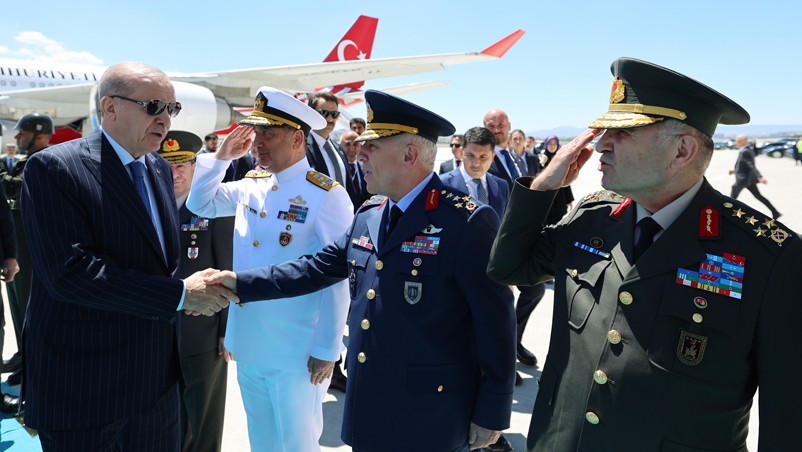
The NATO Summit will be held in Ankara on July 7–8. Thanks to the summit, Ankara is also gaining a new airport. The long-underutilized Etimesgut Military Air Base has been upgraded to international airport status under the name “Ankara Airport,” capable of accommodating even the Boeing 747 used as Air Force One by U.S. President
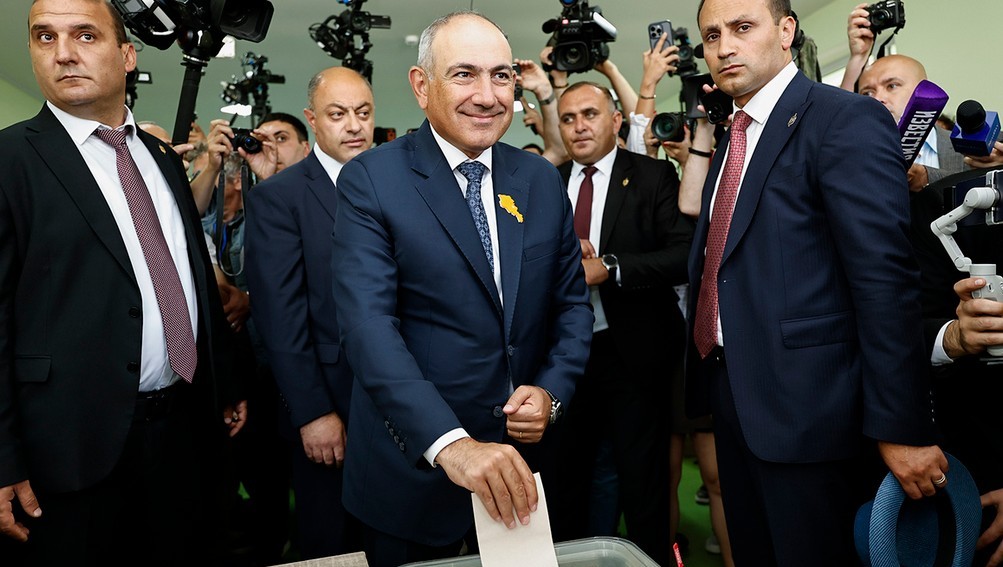
Armenian Prime Minister Nikol Pashinyan declared victory in the June 7 elections. Pashinyan’s Civil Contract Party, which advocates peace with Türkiye and Azerbaijan (and, it should be added, Georgia as well), won by a clear margin over its closest rival, Samvel Karapetyan’s Russian-backed, anti-compromise Strong Armenia Party. The Armenia Alliance, led by former Prime Minister
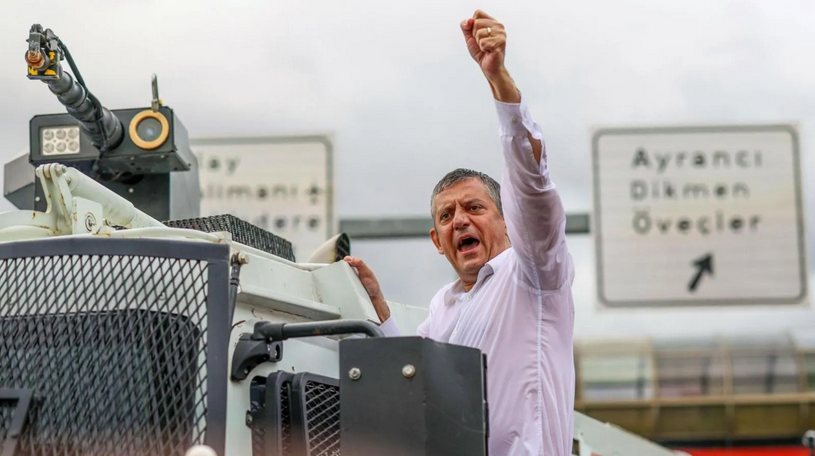
I am writing this fully aware that Özgür Özel may now face every conceivable obstacle ahead of him — from expulsion from the CHP to the lifting of his parliamentary immunity and even imprisonment. Yet the “absolute nullity” ruling issued by the judiciary does not appear likely to benefit either Kemal Kılıçdaroğlu, who has been