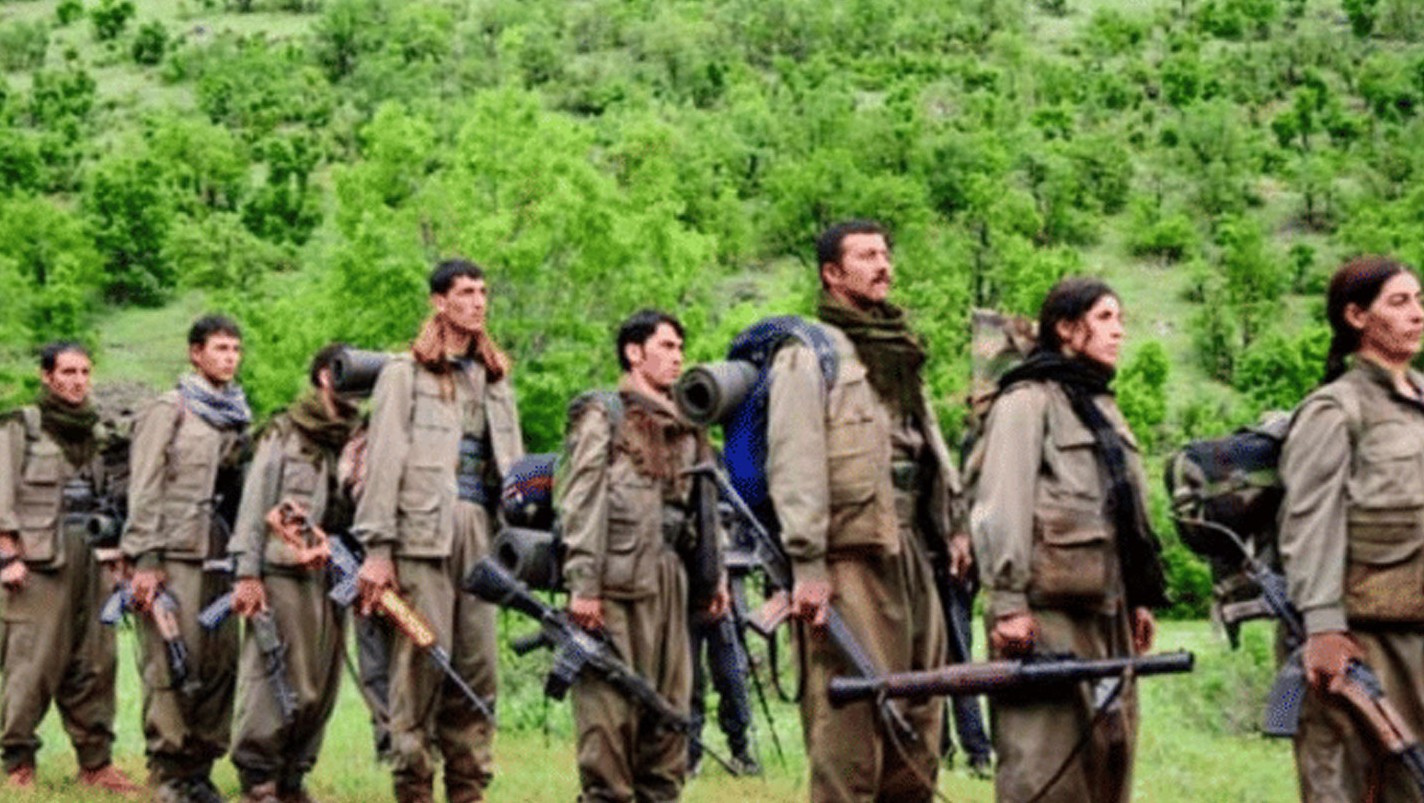
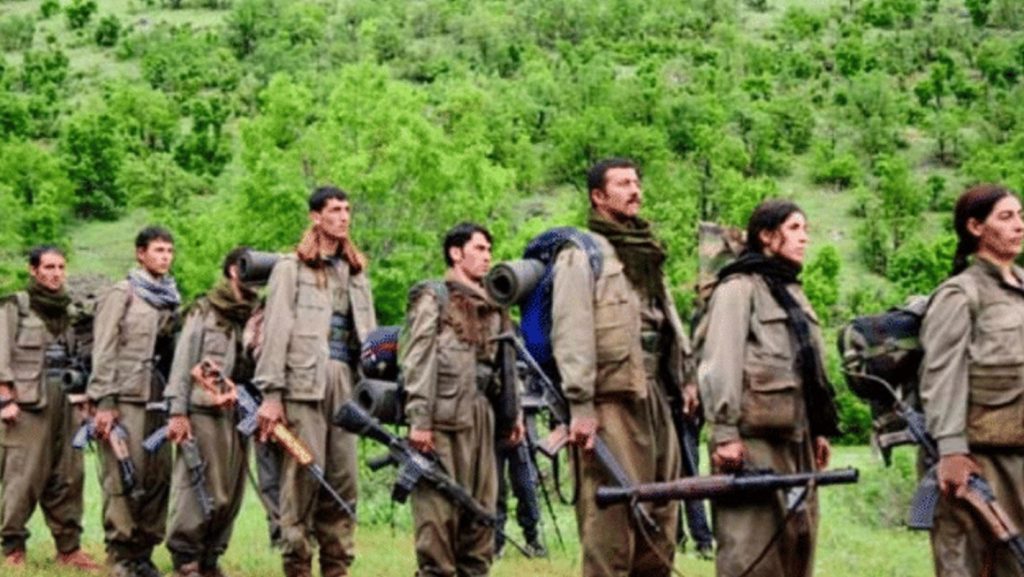
Türkiye faces a historical opportunity by pursuing a political solution to the Kurdish problem through disarmament of the PKK militants, but the instability in Northern Syria remains an obstacle. The shifting of the militants to Syria after abandoning arms in Iraq is one of those problems.
Türkiye’s ongoing peace process with the outlawed Kurdistan Workers’ Party (PKK) holds the potential to end one of the country’s most destructive conflicts of the past four decades. Yet a lasting settlement cannot be achieved in isolation. Unless the Kurdish question in northern Syria is addressed, any peace at home will remain fragile.
Instability in Syria
Türkiye maintains a military presence in northern Syria to secure its borders and to counter groups with ties to the PKK. This approach may deliver short-term security, but it erodes trust between the Kurdish population in Türkiye and the state.
The central player on the ground is the Syrian Democratic Forces (SDF), built around the YPG and strengthened by U.S. support in the fight against ISIS. For Kurds, the SDF symbolizes international recognition; for Ankara, it represents a security threat. Efforts by Syria’s interim government to integrate parts of the SDF into its army have only deepened Kurdish mistrust and failed to reassure Türkiye about lingering PKK links.
Meanwhile, the limited U.S. military presence and Israel’s engagement with Kurdish groups as a buffer against Iran have bolstered the SDF’s legitimacy in the region—further fueling Ankara’s perception that the PKK is gaining indirect international recognition. The outcome is a vicious cycle of mistrust: Kurds in Türkiye doubt the state’s intentions, while much of Turkish public opinion questions the PKK’s sincerity.
The spoiler problem
Every peace process faces spoilers—factions that refuse to put down arms even when the main movement turns to politics. We saw this with dissident IRA groups in Northern Ireland and breakaway factions of the Moro movement in the Philippines. Given the PKK’s size and networks, continued instability in northern Syria could provide fertile ground for such groups, undermining trust in the process before it begins.
Shifting battlefields
Another risk is that disarmed PKK fighters may drift into northern Syria’s Kurdish groups. Similar patterns emerged in West Africa, where ex-combatants in Liberia and Sierra Leone easily crossed borders to join new conflicts. This not only relocated violence but also eroded the credibility of peace settlements. For Türkiye, the same danger looms: as long as northern Syria remains unsettled, disarmament will not translate into real transformation.
Other critical dynamics
Refugees: With millions of Syrian refugees in Türkiye, economic hardship and social tensions have fueled negative perceptions. Any peace initiative that coincides with this environment risks lacking broad public support. As seen in Lebanon with the Palestinian refugee issue, such dynamics can become destabilizing multipliers.
Economic costs: Ongoing military operations drain resources away from education, healthcare, and development—the very sectors that sustain peace. If citizens do not see tangible economic benefits from peace, support can evaporate quickly, as Colombia’s experience demonstrated. For Türkiye, framing peace not just as a political agreement but as a social and economic project will be essential.
Learning From Experience
Türkiye’s evolving relationship with the Kurdistan Regional Government (KRG) in Iraq offers an instructive precedent. Once viewed as a security threat in the 1990s, the KRG is now seen as a partner, thanks to economic ties, energy cooperation, and shared security concerns. A similar roadmap could be possible in northern Syria—provided that mutual interests outweigh zero-sum security thinking. The crucial difference is that, unlike the KRG, the SDF/YPG has yet to clearly sever ties with the PKK, reinforcing Ankara’s distrust.
A lasting peace in Türkiye cannot be secured solely through negotiations between Ankara and the PKK. As long as the northern Syria question remains unresolved, the peace process will remain fragile. Former militants drifting into new conflicts, spoiler groups gaining strength, military interventions eroding trust, and the involvement of regional powers will continue to undermine the process.
Kurdish Peace Across the Borders
The case of northern Iraq is instructive: what was once viewed as a threat gradually turned into a relationship based on mutual interests. A similar trajectory is possible in Northern Syria, but only if Türkiye takes new steps in managing this equation:
- Move beyond security-only policies: Military operations may secure short-term gains, but lasting peace requires opening diplomatic and political channels. Türkiye should push for multilateral engagement with Syria’s interim authorities, local actors, and international stakeholders.
- Develop contacts with local Kurdish actors: Rather than treating the SDF/YPG solely as extensions of the PKK, Türkiye could pursue pragmatic strategies to separate them from PKK influence—similar to how Ankara’s relationship with the KRG in Iraq evolved from hostility to a partnership.
- Broaden international cooperation: While the limited U.S. military presence and Israel’s role raise suspicions in Ankara, Türkiye should expand engagement beyond Washington and Moscow to include European partners and regional Arab states in shaping a broader framework.
- Integrate economic initiatives into its security strategy: By encouraging cross-border trade, infrastructure projects, and local development in northern Syria, Türkiye can deliver tangible benefits to local populations while limiting the recruitment potential of armed groups.
Türkiye faces a historic opportunity: to reframe northern Syria not solely as a theater of threats, but as a potential platform for regional cooperation. Such a shift would strengthen Türkiye’s internal peace and contribute to a more stable future for the wider region.