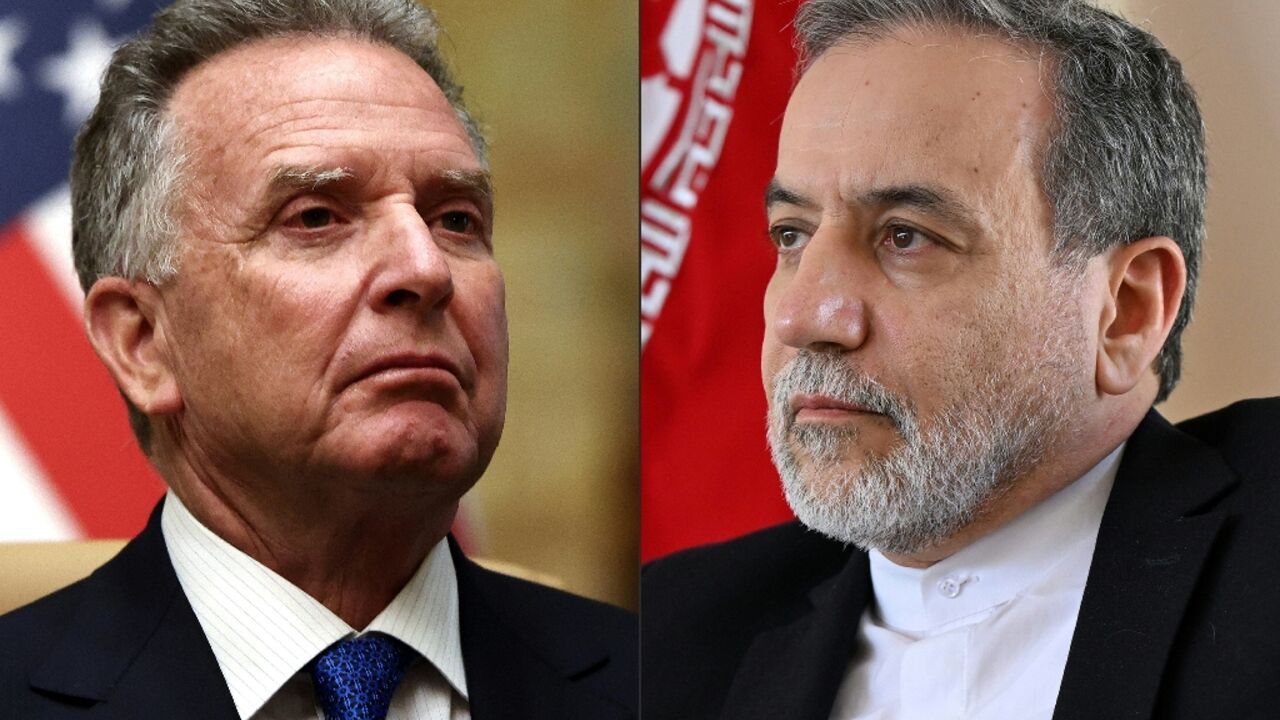
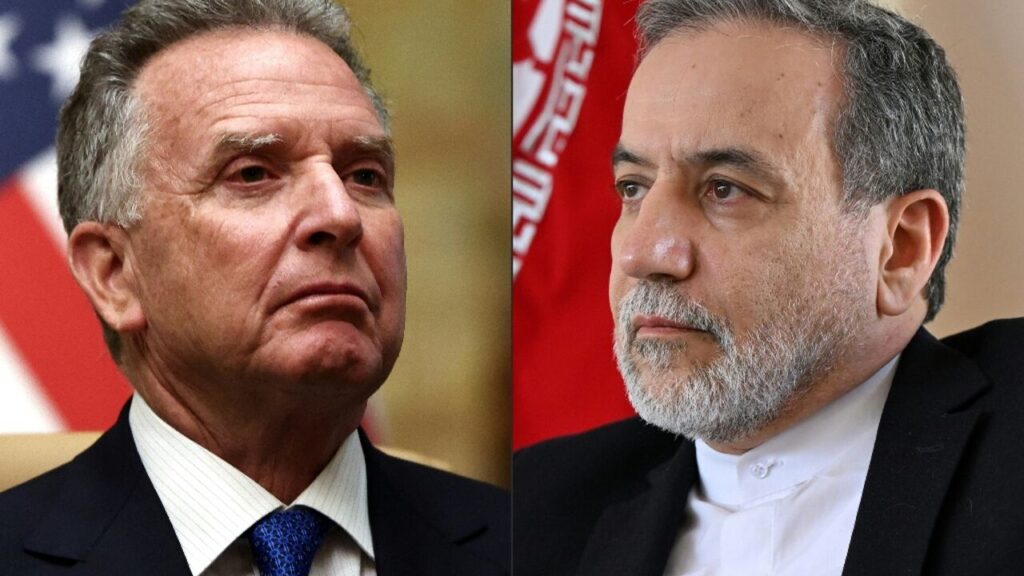
Although the anticipated meeting in Istanbul on February 6 between US Middle East Envoy Steve Witkoff and Iranian Foreign Minister Abbas Araghchi has raised hopes of de-escalation, Ankara remains wary that—just as during the 12-day war—“missiles could fly before the delegations do.”
US and Iranian delegations are expected to meet in Istanbul on Friday, February 6, at Türkiye’s initiative. If it goes ahead, the talks between US President Donald Trump’s Special Envoy for the Middle East Steve Witkoff and Iranian Foreign Minister Abbas Araghchi will be hosted by Foreign Minister Hakan Fidan. This would mark the first direct contact between the two countries since the 12-day war in June 2025.
The meeting is expected to take place at a moment when Trump has been increasing pressure on Iran, deploying troops to the Middle East and openly threatening military action. In recent phone calls with both Iranian President Masoud Pezeshkian and Trump, President Tayyip Erdoğan said that, should both leaders approve, Türkiye stands ready to facilitate talks—whether indirect or face-to-face.
Following earlier mediation efforts on Russia–Ukraine and Gaza, Türkiye is once again positioning itself at the forefront of peace—or perhaps more accurately, deconfliction—diplomacy.
US news outlet Axios reported that alongside Türkiye, Egypt and Qatar are also engaged in efforts to prevent a US strike on Iran, while simultaneously urging Tehran to make concessions. Prior to the public announcement on the evening of February 2 that the meeting would take place in Istanbul on February 6, it appears that, in addition to Fidan, the foreign ministers of Saudi Arabia and Egypt also called Araghchi, encouraging him to adopt a conciliatory stance in talks with the US in order to spare Iran from attack.
What If Missiles Fly Again Before the Delegations?
Not only Türkiye, but Arab countries across the region are also taking a stand against a US military intervention against Iran. Saudi Arabia and the UAE have announced that they would not allow US aircraft to use their airspace in the event of an attack. Jordan, where the US has carried out significant military deployments, has likewise declared that it will not allow its territory to be used as a “launchpad” against Iran.
During his visits to Saudi Arabia and then Egypt on February 3–4, President Erdoğan discussed not only the situation in Gaza but also what could be done “to prevent the Iran crisis from escalating further.”
At the same time, Türkiye is approaching the situation cautiously, drawing lessons from the 12-day war in June 2025. Ahead of that Israeli strike, Turkish diplomats had been in contact with both the US and Iran, trying to avert the attack. But as one diplomatic source put it, “before the delegations had even taken off, the missiles had already started flying.”
Moreover, Ankara is uneasy about the mixed signals coming out of Tehran. While Iran indicates it may be willing to discuss its nuclear program with the US and even signal a readiness to step away from nuclear weapons, it shows no inclination to debate ending its support for armed groups across the Middle East.
As Long as the US Says “Israel First”
In the end, Ankara has put its proposals on the table and is waiting. Yet even if the parties do meet in Türkiye, Ankara calculates that the talks may not yield results. Negotiations could continue on one track while, under Israeli influence, the US begins striking Iran on another. Alternatively, Israel could initiate an attack on the assumption that the US would ultimately back it.
If he does travel, Witkoff is expected to visit Israel before coming to Türkiye, where he would meet Prime Minister Benjamin Netanyahu. Israel’s Chief of General Staff Eyal Zamir—fresh from talks with newly appointed US Chairman of the Joint Chiefs of Staff Dan Caine—is also expected to attend that meeting. Meanwhile, US and Israeli warships are set to begin a joint naval exercise in the Mediterranean.
The US policy of “Israel first” continues. And as long as it does, Israel’s regional assertiveness persists, fueled by Washington’s nearly unlimited financial and military backing. In Iran, where religious and political leadership often pull in different directions, the Revolutionary Guards’ emphasis on ideological expansionism rather than the security of Iran and its people continues—no longer at former strength, but still very much alive.
In this environment, whether or not new clashes can ultimately be prevented, the pursuit of deconfliction diplomacy remains indispensable.