
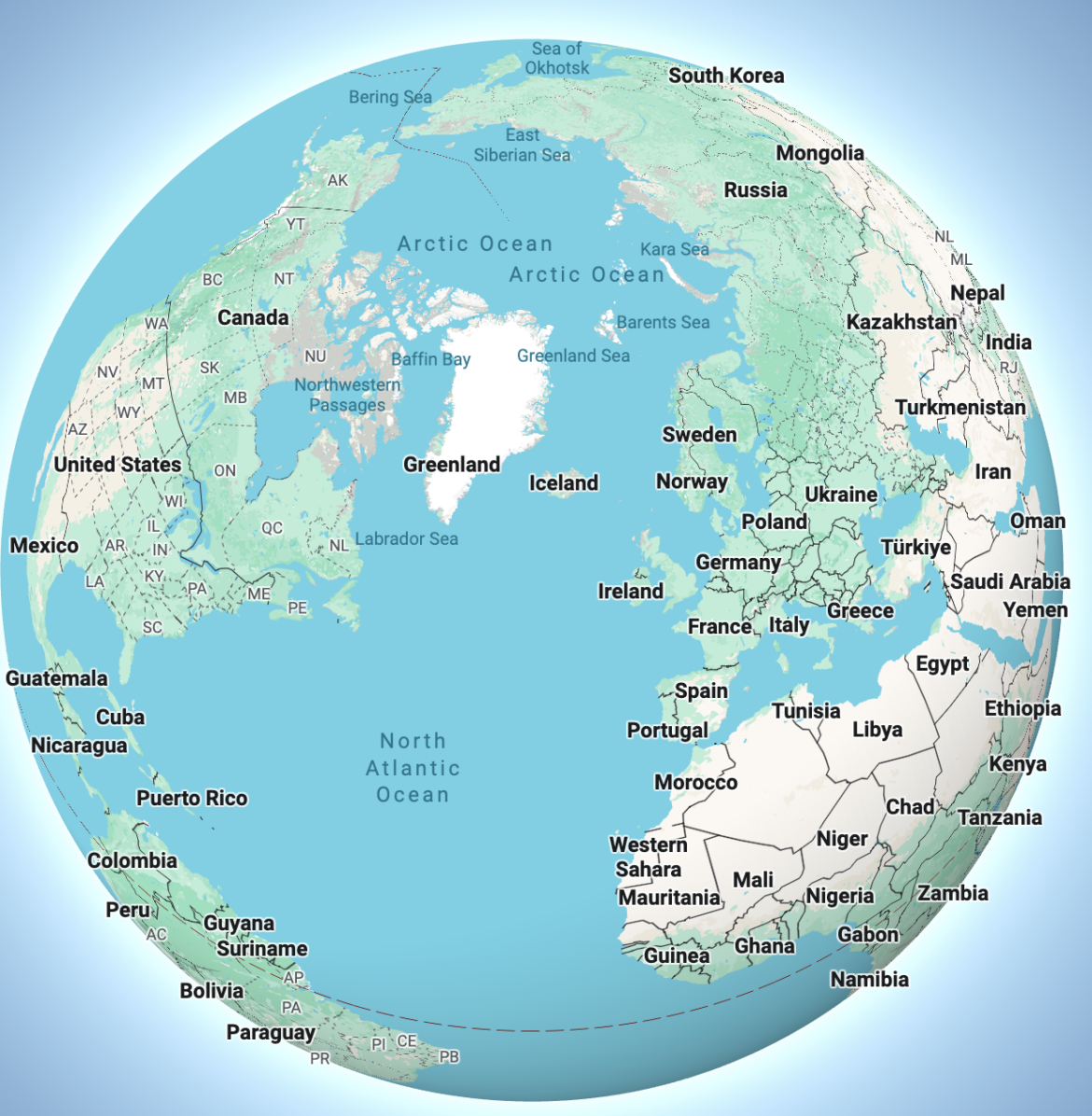

When you rotate the Google Earth application 90 degrees vertically instead of horizontally, the map above appears, clearly revealing why U.S. President Donald Trump set his sights on Greenland the very day after his military intervention in Venezuela. The area that looks like a sea in the center is the Arctic Ocean. It is covered
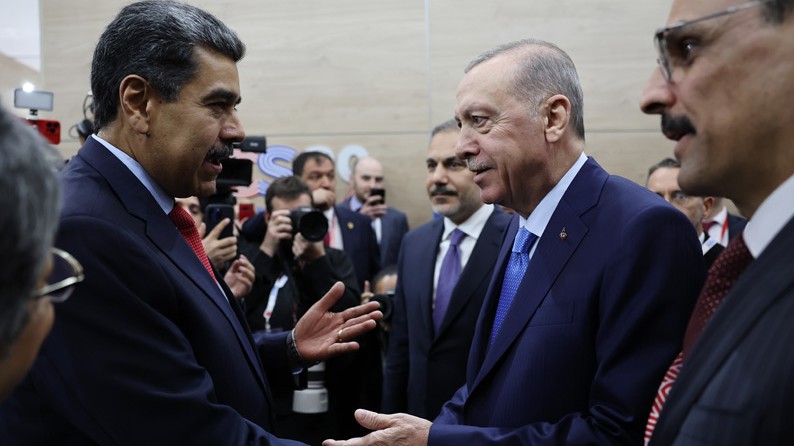
The reactions—both spoken and unspoken—of President Recep Tayyip Erdoğan and Türkiye’s ruling Justice and Development Party (AKP) following U.S. President Donald Trump’s abduction of Venezuelan President Nicolás Maduro reveal more than diplomatic caution. They point to deep unease in Ankara’s relations with Washington. Trump’s recent posture—issuing implicit threats to countries from Iran to Cuba, Colombia
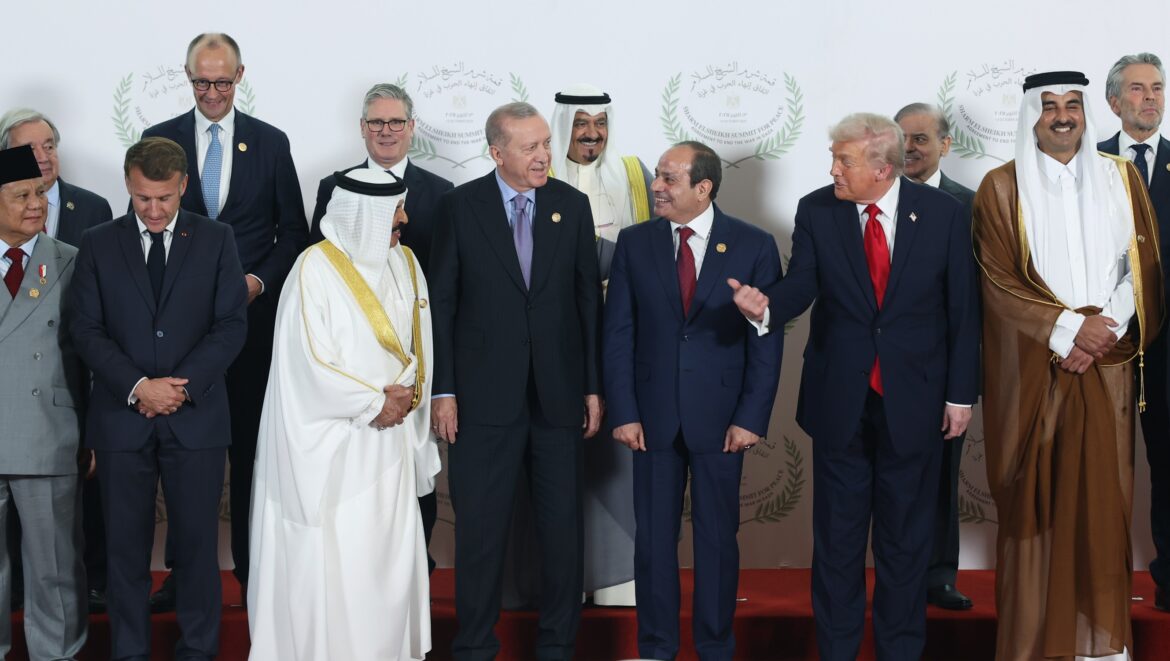
On October 13, Turkish President Tayyip Erdoğan signed a Declaration of Intent in Sharm El Sheikh, Egypt, alongside U.S. President Donald Trump, Egyptian President Abdel Fattah el-Sisi, and Qatari Emir Tamim bin Hamad Al Thani, pledging a commitment to “joint implementation.” The ceasefire between Israel and Hamas—achieved with Trump’s assertive involvement on behalf of the
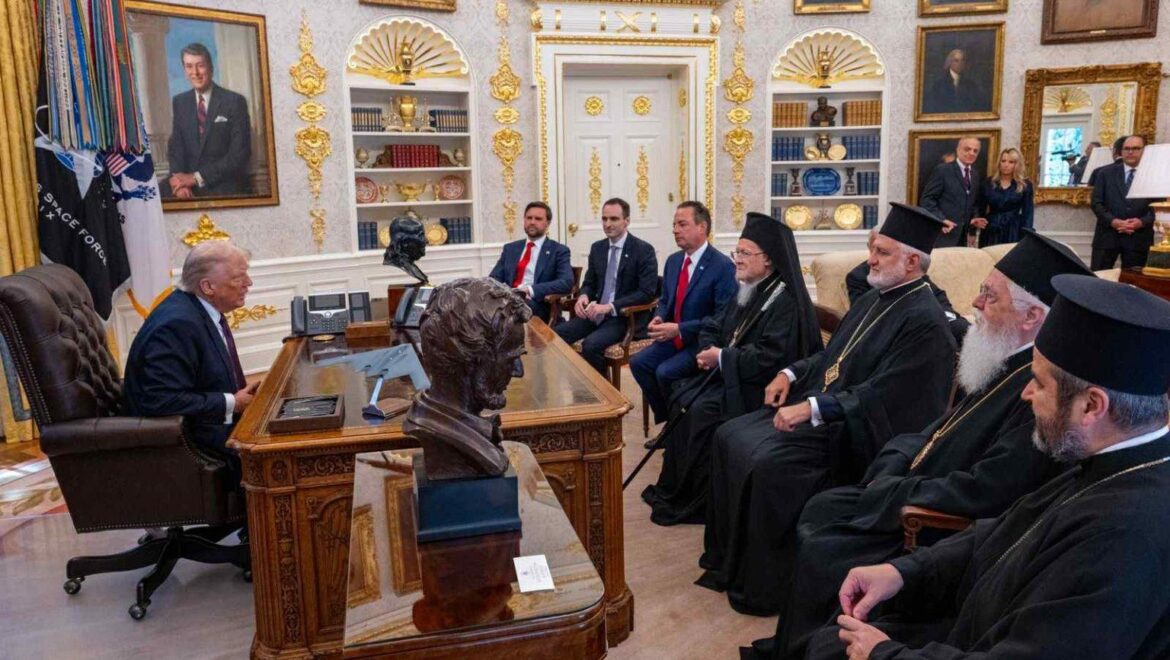
On September 15, while domestic attention in Türkiye was focused on the CHP’s “absolute nullity” case, U.S. President Donald Trump received Greek Orthodox Ecumenical Patriarch Bartholomew and his delegation at the White House. The Patriarch’s itinerary for September 16 included a breakfast at the Turkish Embassy, a luncheon at the Greek Embassy, and a dinner
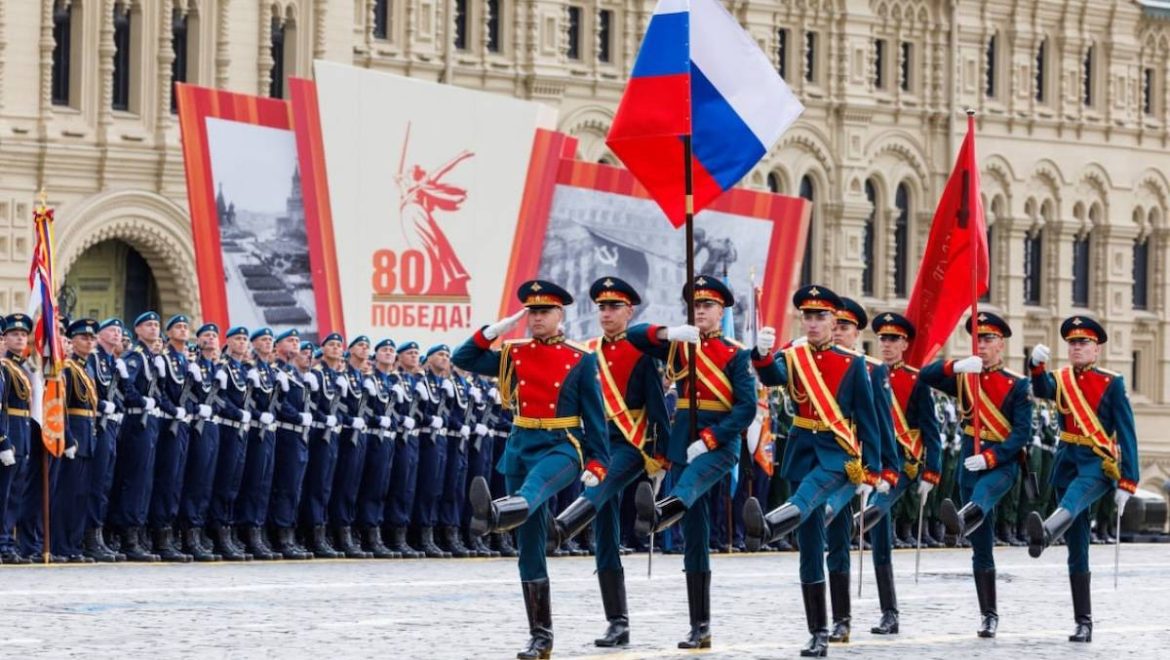
Despite many efforts for a ceasefire, the war in Ukraine continues unabated. Russia’s war against Ukraine actually began in 2014 with the annexation of Crimea and continued through intermittent clashes. In February 2022, however, Moscow launched a full-scale invasion, escalating the war to a new level. Yet, Russia—despite its claim of being a superpower—failed to
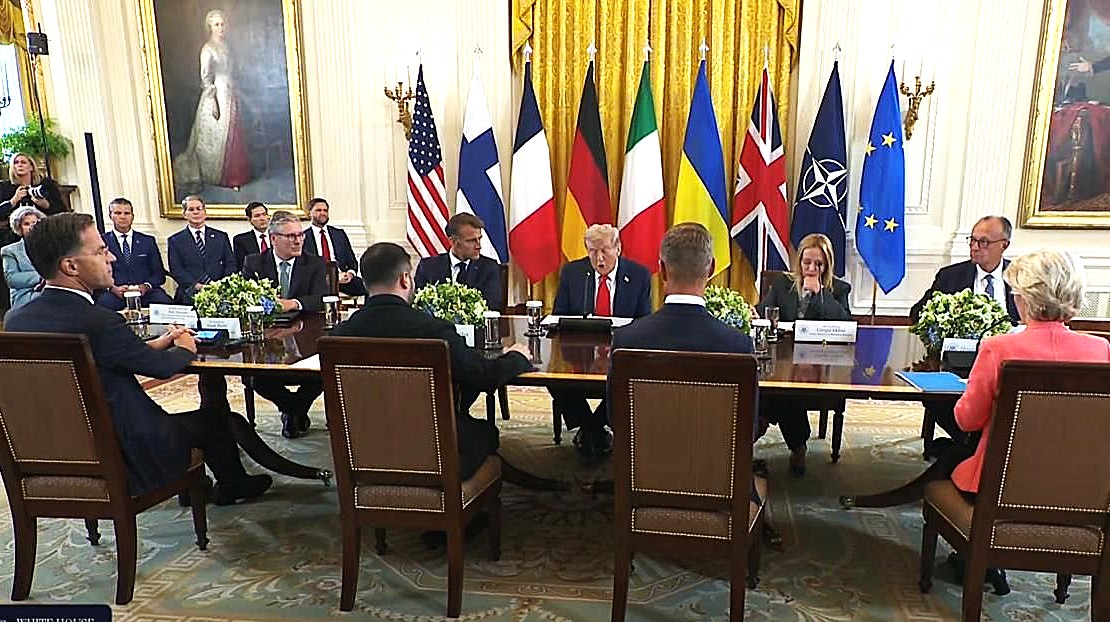
August 18, 2025, may go down in history as a dark day for European diplomacy. Three days after meeting Russian President Vladimir Putin in Alaska on August 15, U.S. President Donald Trump, outmaneuvering European leaders, summoned them to his doorstep, saying, “Come, let me explain.” Putin had not wanted Ukrainian President Volodymyr Zelenskyy at the
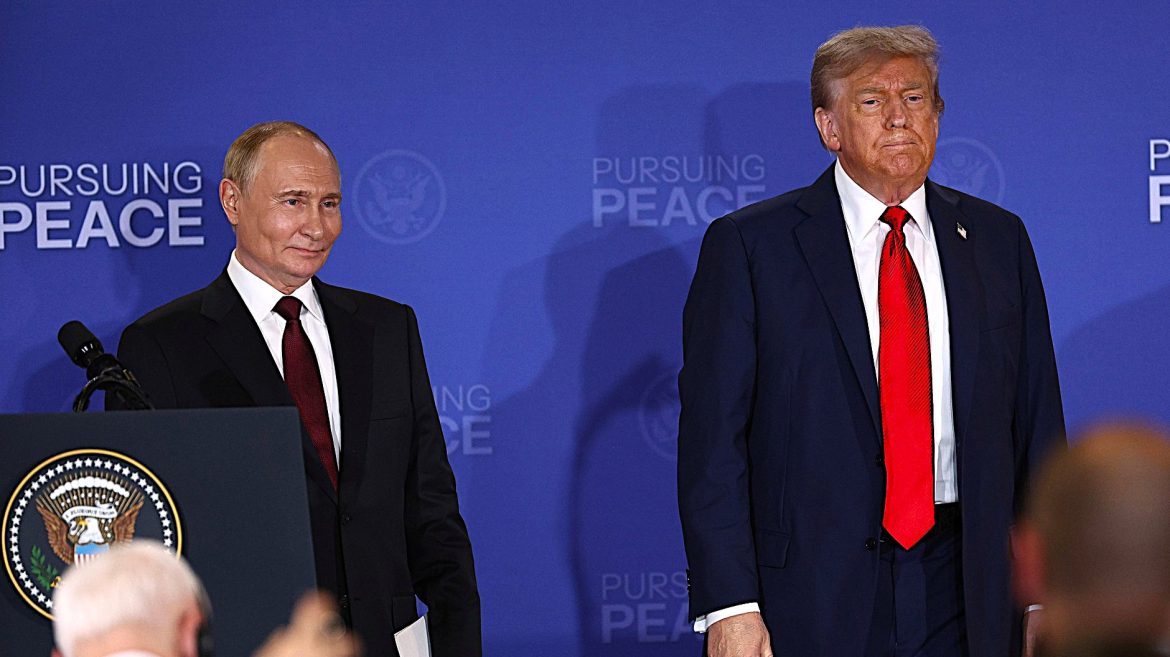
The three-hour meeting between U.S. President Donald Trump and Russian President Vladimir Putin on August 15 at the Elmendorf–Richardson Air Force base in Anchorage, Alaska, bore some resemblance to the Yalta Conference of 1945, which marked the end of World War II. Eighty years ago, the United States, the Soviet Union (USSR), and the United
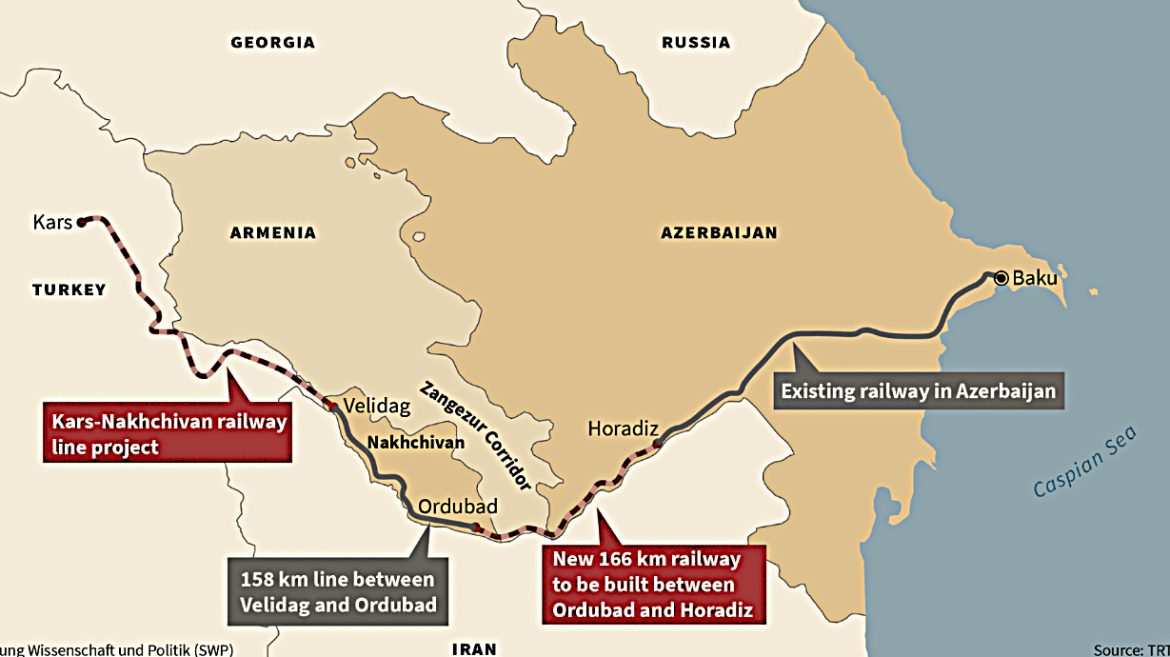

The US-brokered peace accord between Azerbaijan and Armenia, signed at the White House under President Donald Trump’s mediation, is being celebrated as a landmark in conflict resolution. However, beyond ending decades of hostility, it has created a rare geopolitical opportunity for Türkiye to advance its regional strategy and reshape the South Caucasus’ security and connectivity
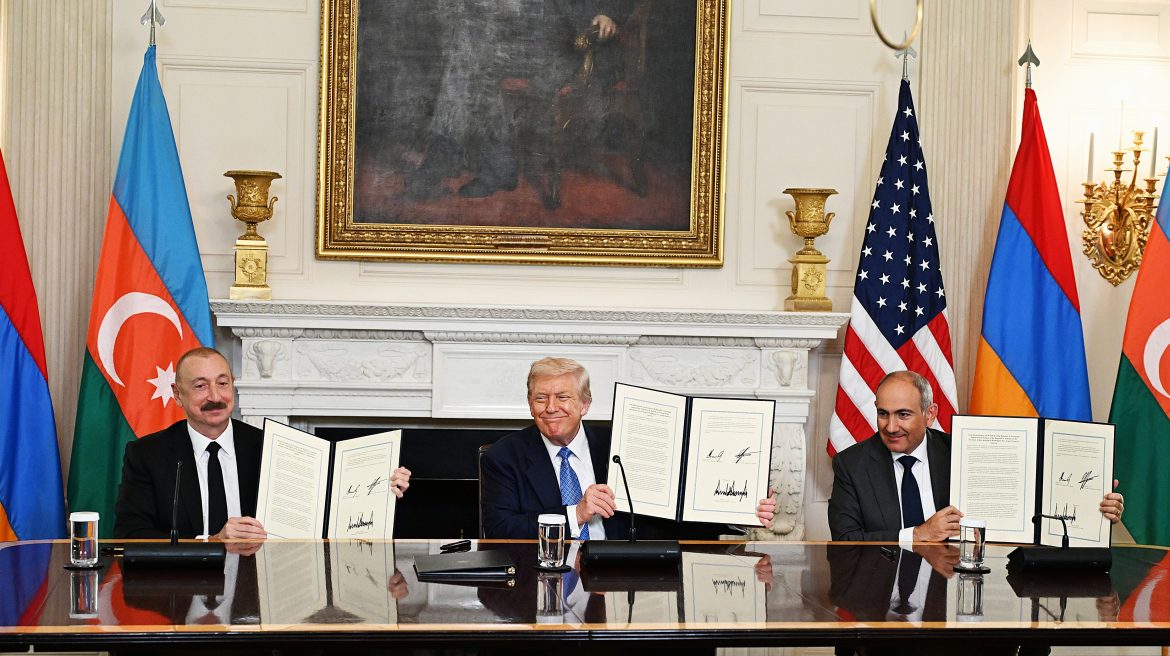
The agreement reached on August 8 in Washington by Azerbaijani and Armenian leaders Ilham Aliyev and Nikol Pashinyan, facilitated by US President Donald Trump, has the potential to reshape not only the Caucasus but also the political and economic balances in Central Asia and the Middle East. Notably, the mutual pledge of non-aggression and the
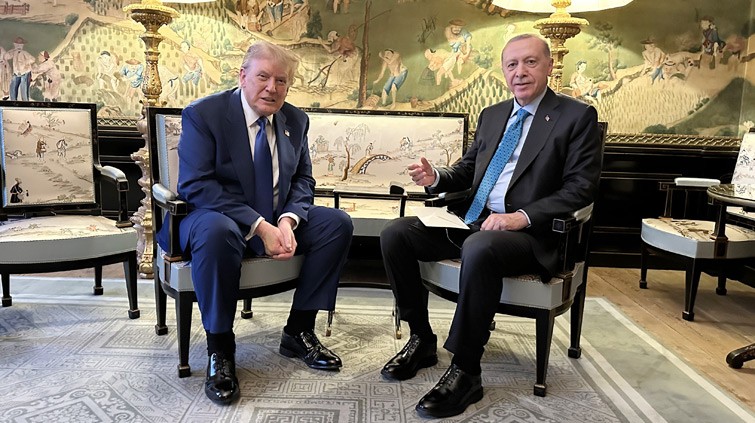
After five years, President Recep Tayyip Erdoğan had the opportunity to meet face-to-face again with U.S. President Donald Trump, whom he calls his “friend,” at the NATO Summit held in The Hague, Netherlands, on June 24-25. However, unlike Erdoğan’s meetings with leaders from Germany, France, the UK, or the host Netherlands, which were held with