
Turkish Foreign Relations Analysis and Forecast: Insightful reporting of Turkish diplomacy with its ups and downs in relations with the U.S., Russia the Europe and the Islamic World.
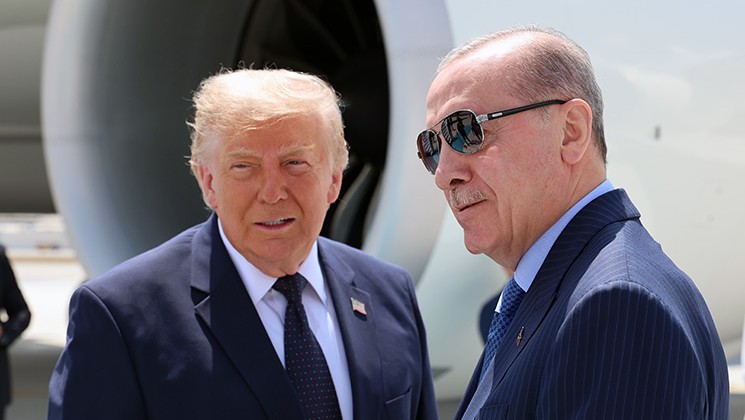

Ahead of President Recep Tayyip Erdoğan’s visit to the United States to attend the UN General Assembly on September 22, Ankara announced two economic sanctions against Iran, shortly before his expected meeting with President Donald Trump. The first came on September 16, when the Civil Aviation Directorate General of the Ministry of Transport announced that
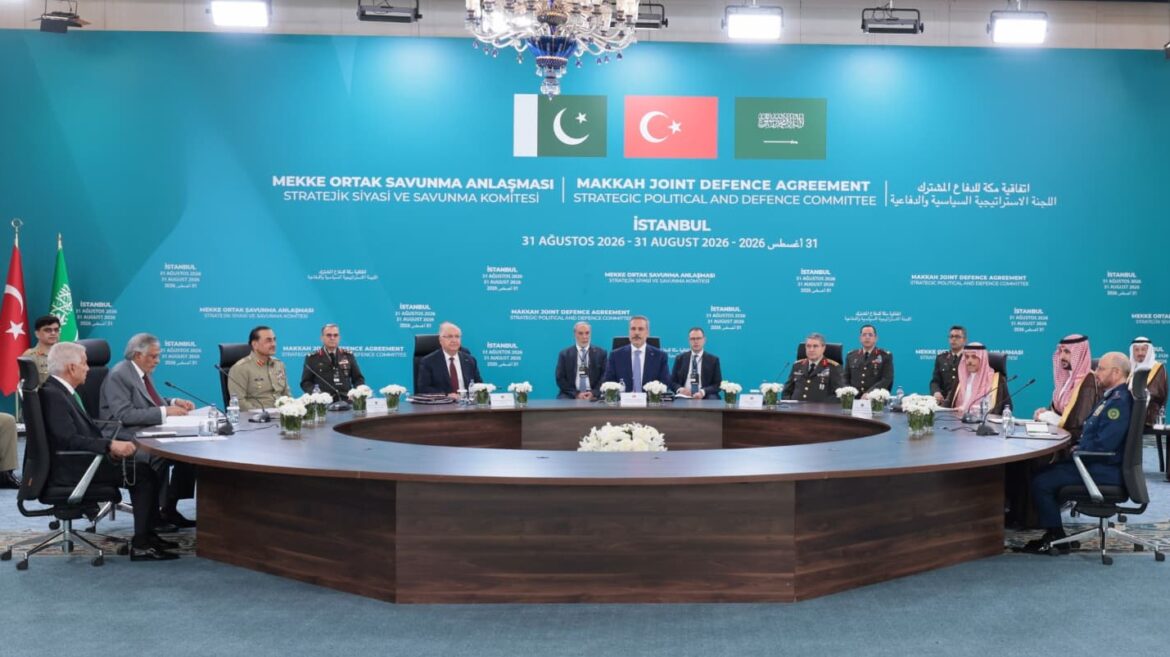
Foreign Minister Hakan Fidan said Israeli Prime Minister Benjamin Netanyahu and his partners “must now be stopped.” Speaking at a press conference in Istanbul, Fidan said the following in response to a question about anti-Turkish rhetoric in Israel: • “Netanyahu, who has become the common enemy of humanity, the international community and security—I underline this,
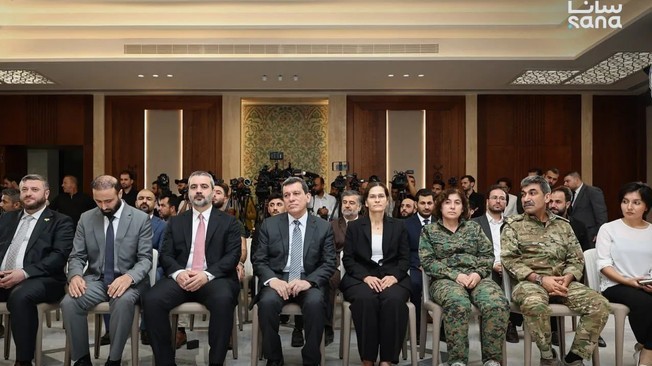
It was announced by its leader, Mazloum Abdi, in Damascus on the evening of August 25 that the Syrian Democratic Forces (SDF) had dissolved itself and joined the Syrian army. Abdi made the announcement at the Presidential Palace after meeting with President Ahmed al-Sharaa. He was wearing not guerrilla clothes but a smart suit, just
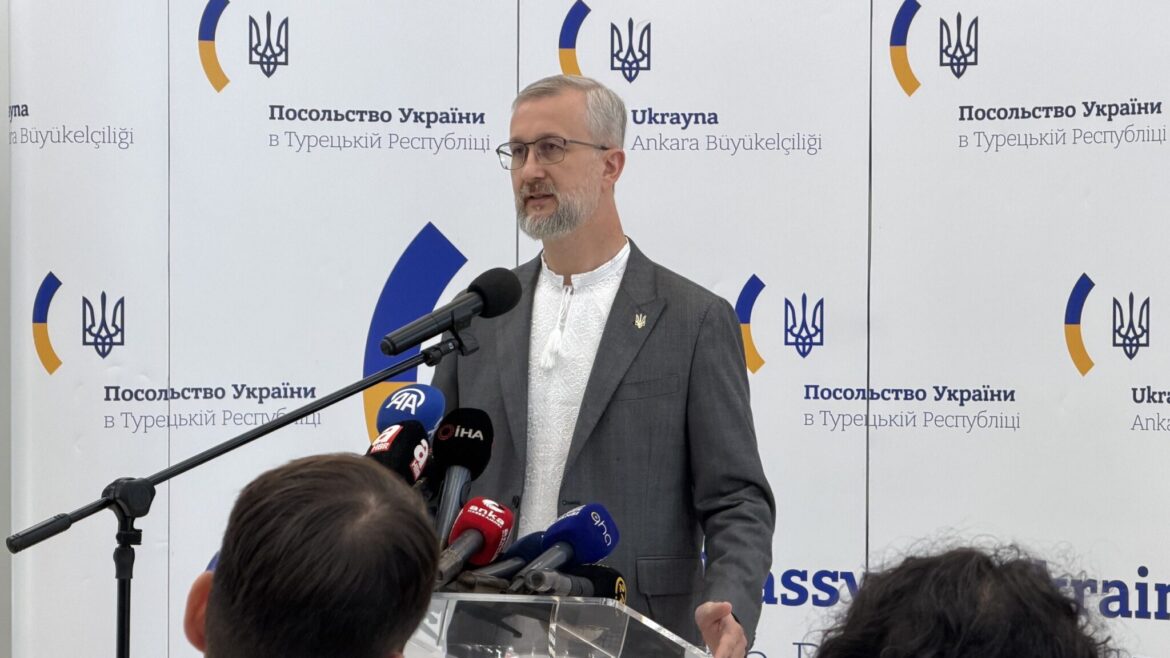

Ukrainian Ambassador Naryman Dzhelialov said that they, too, were saddened by the deaths of civilians as a result of civilian cargo ships being struck in the Black Sea, but that it should also be understood that a war is currently under way in the region. Dzhelialov also commented on the civilian vessels struck by Ukrainian
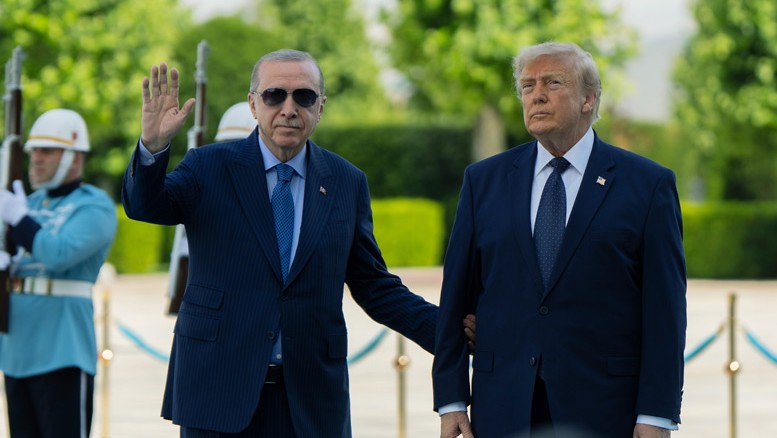
Israeli Prime Minister Benjamin Netanyahu’s description of Israel’s strike on the Abu al-Duhur military airbase, near Syria’s border with Türkiye and undergoing repairs, by Israeli jets early on the morning of August 18 as a “message to Türkiye” in a statement to the Israeli Army Radio’s podcast service on the evening of August 18, further
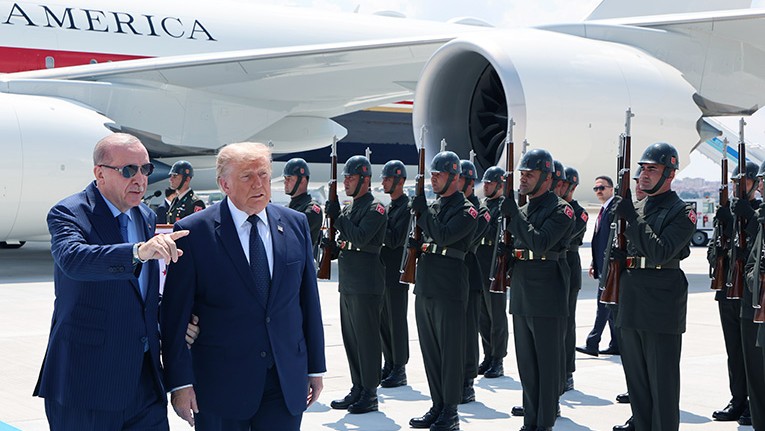
There were two current elements missing from the summary of President Tayyip Erdoğan’s phone call with U.S. President Donald Trump on the evening of August 17, as released by the Directorate of Communications. One was the fact that the Russia-Ukraine War was not mentioned, despite Russia’s reaction to Türkiye’s arms sales to Ukraine. The other
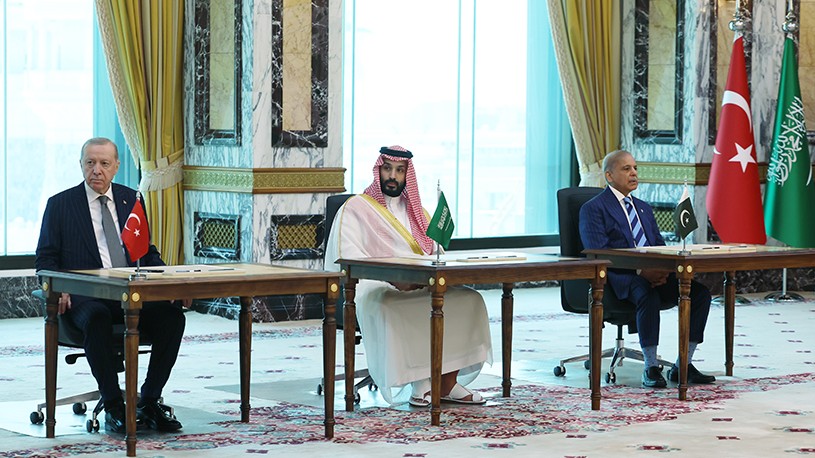
The full text of the Defense Agreement signed between Türkiye, Saudi Arabia and Pakistan in Mecca on August 7 has not yet been made public. To see the full text, we will have to wait for the agreement to come before the Foreign Affairs Committee of the Grand National Assembly of Türkiye (TBMM) for approval
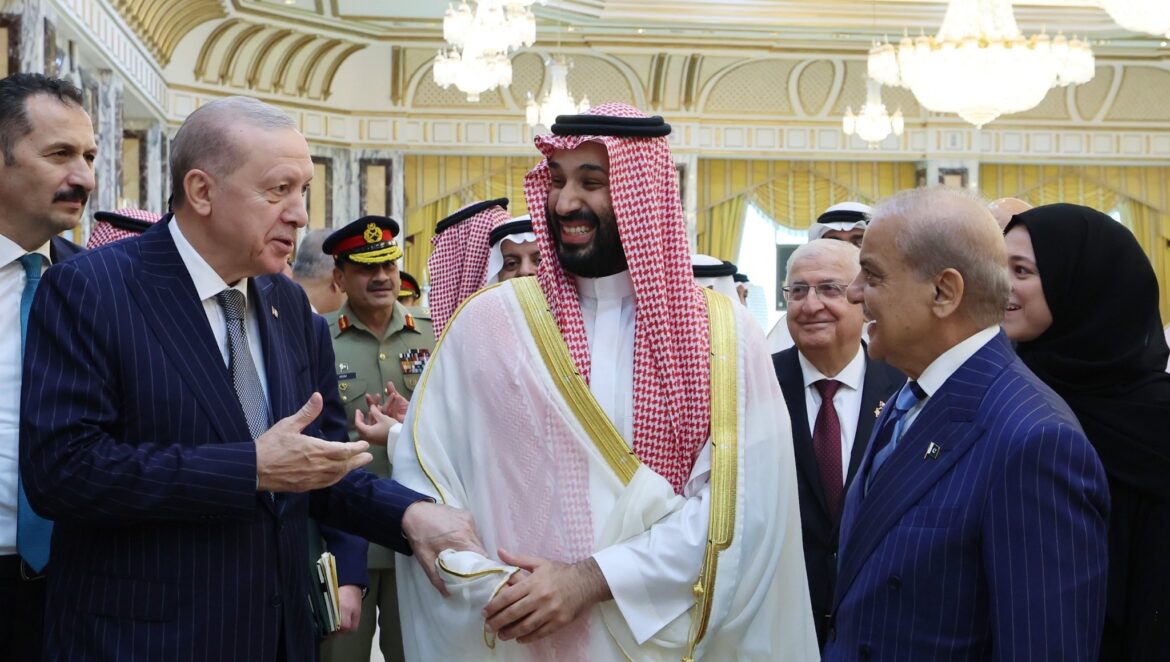
The Joint Defense Agreement signed today, August 7, in Mecca by the leaders of Türkiye, Saudi Arabia and Pakistan marks an important step in the reshaping of the Middle East by creating a new center of power in the region. Although it was emphasized that the Joint Defense Agreement signed at Al Safa Palace in
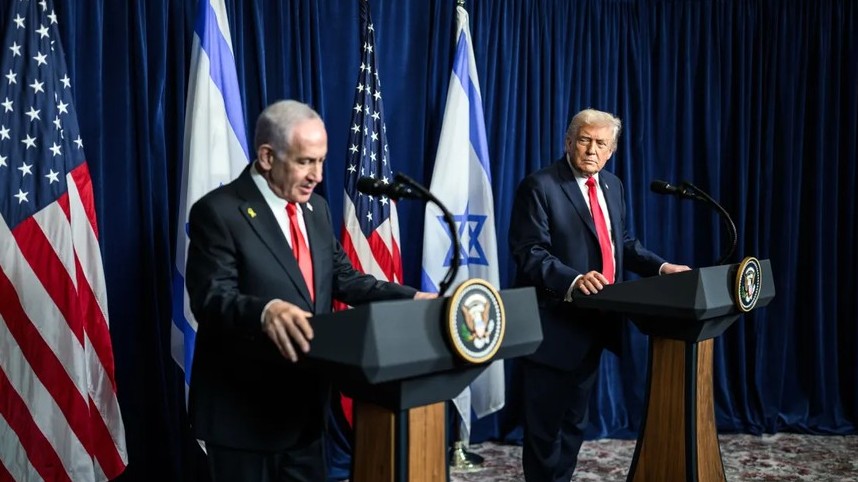
When U.S. President Donald Trump announces that he is about to launch the biggest attack yet against Iran, only to call it off at the last minute, that in itself has become newsworthy. Yet what truly matters is a single sentence he uttered while explaining aboard Air Force One why the latest strike had been
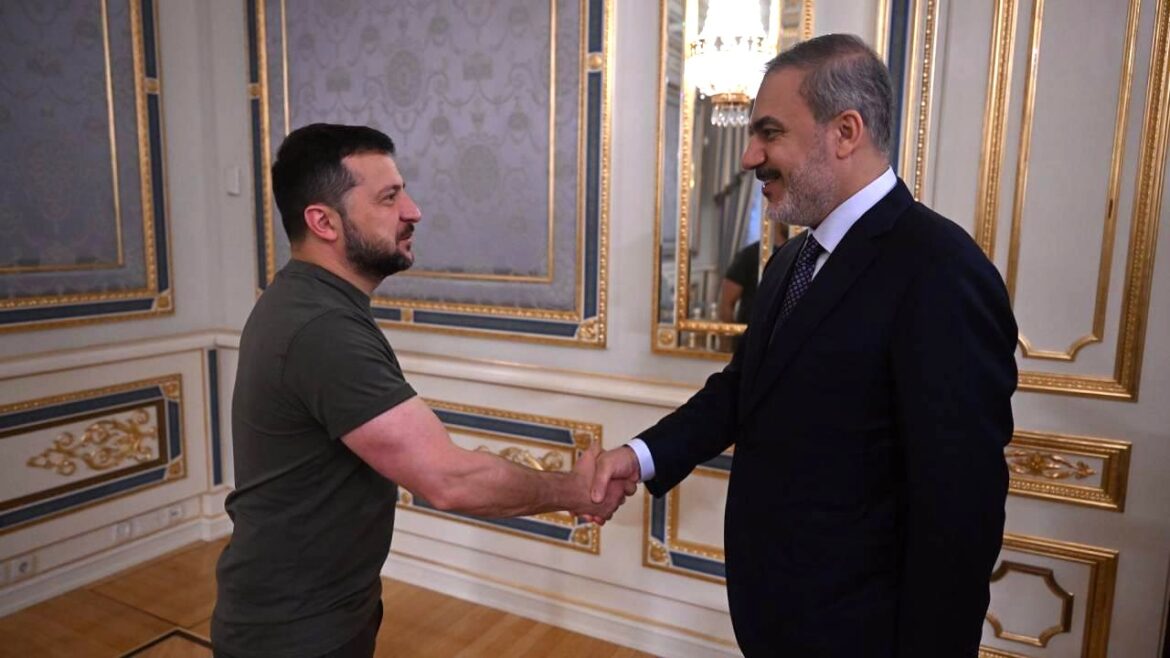
Russian Ambassador to Ankara Sergey Vershinin, will host an intriguing event on 16 July. In fact, it is a joint initiative with China’s Ambassador to Ankara Jiang Xuebin , though the venue has been set as the Russian Embassy. A conference will mark the 25th anniversary of the Treaty of Good-Neighborliness, Friendship and Cooperation between Russia