“Argüden Governance Academy’s scorecard research examined practices of 27 metropolitan municipalities in Turkey. It is observed that all municipalities, including those with the highest scorecards, have significant areas of improvement in good governance.”
Good governance is a culture and a climate in which such a culture flourishes. Governance is derived from the word ‘kybernao’ that dates back to the times of Plato and incorporates the concepts of providing guidance and oversight. Humans form institutions for two basic reasons: (i) to better utilize the resources and (ii) to manage the risks collectively. Institutions would be able to serve these purposes better if they have the trust of their stakeholders. As a culture of living together good governance needs not only leaders dedicated to such a culture but also a climate in which such culture is kept alive. The 13th century Turkish folk poet Yunus Emre summarizes the basic understanding of good governance eloquently with his words: “Regard the other as you regard yourself. This is the meaning of four Holy books, if there is any.”
Institutions that adopt good governance assume responsibility to help solve the problems of the society. The steps they take while fulfilling such responsibilities are consistent and fair, they are transparent and accountable for their decisions and the resources they utilize, and the results of these decisions taken with the participation of their stakeholders are implemented more effectively. In short, trusted institutions become more successful and sustainable.
Governance of metropolitan municipalities determines quality of life
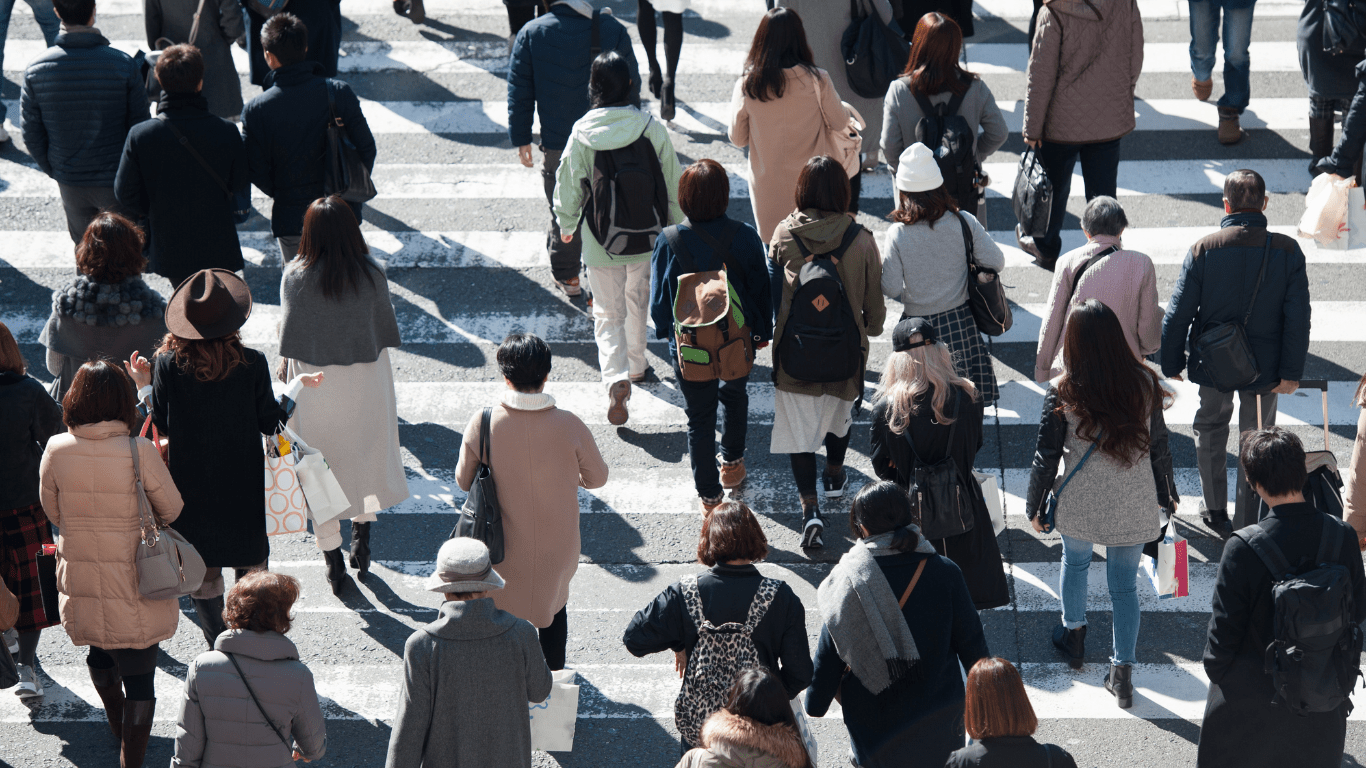
Three-quarters of the world’s population lives in metropolitan areas. Adoption of good governance culture in metropolitan cities directly affects the quality of participative democracy, trust of the citizens, and quality of life in these metropoles. Therefore, improving the quality of governance in metropolitan cities means improving the quality of life of at least three quarters of the world’s population.
When good governance culture is strengthened in the metropoles, our policies and actions would be more inclusive, sustainable, and effective for sustainable development.
Metropolitan Municipality Governance Scorecard helps peer learning
To help improve the quality of life in cities through strengthening good governance in metropolitan cities, Argüden Governance Academy has developed an innovative governance measurement and evaluation tool. The Metropolitan Municipality Governance Scorecard is a citizen-centric governance model that can be used by every metropolitan municipality in Türkiye and in the world.
The Model takes into account the Sustainable Development Goals developed by the United Nations, OECD’s Better Life Index, European Council’s Good Governance Principles, EFQM’s Excellence Model, as well as the Turkish legal requirements that are in congruence with these. The Model focuses on whether the decision-making, resource utilization, and activities are consistent, responsible, accountable, fair, transparent, effective, and inclusive.
Scorecards do not measure the performance of municipal administrations or mayors, but rather measure the way policies, resource allocation, and implementation are conducted. As performance is context specific (depending on the initial conditions and the needs of each geography) and subjective (due to different impacts of policies on different groups of people), measuring the ‘how’ of policies is more instructive and enable benchmarking and learning than comparing the performance. Therefore, the Model helps speed up peer learning among the metropoles.
The scorecard project examined the governance practices of 27 metropolitan municipalities administered by elected mayors in Türkiye, through analysis of publicly available data published by municipalities and easily accessible to citizens. A citizen-centric measurement tool of how the system works contributes to democratization, sustainable development, and human welfare, starting from the local level.
Even the best ones have ample room for doing better
Within the scope of the research, Adana, Ankara, Antalya, Aydın, Balıkesir, Bursa, Denizli, Erzurum, Eskişehir, Gaziantep, Hatay, İstanbul, İzmir, Kahramanmaraş, Kayseri, Kocaeli, Konya, Malatya, Manisa, Mersin, Muğla, Ordu, Sakarya, Samsun, Şanlıurfa, Tekirdağ, and Trabzon metropolitan cities were examined. According to the results of the research, good governance culture and practices of 27 metropolitan municipalities range between 35-74 percent, while more than half of them are in the range of 45-64 percent.
The best group received scores between 65-74 percent included only 5 metropolitan municipalities, namely Ankara, Antalya, Eskişehir, İstanbul and Kocaeli Municipalities in alphabetical order. However, it is observed that all municipalities, including those with the highest scorecards, have significant areas of improvement in good governance.
The project concludes that for sustainable development and better quality of life all municipalities need to
• Improve quality of citizen participation,
• Improve quality of information that is made available to the citizens,
• Improve their processes and adopt integrated thinking
in order to have a meaningful stakeholder engagement with the citizens and interested NGOs and strengthen participative democracy, as well as trust between the citizens and local governments. The report also provides recommendations to the public administrations both local and central, as well as for the NGOs and citizens.
This unique Model developed by Argüden Governance Academy helps measurement of governance at metropolitan municipalities to enable benchmarking and peer learning. As such it is an innovative attempt to improve quality of life throughout the metropoles in the world.