
Turkish Domestic Politics: Analysis and forecast on all relevant developments and insight about Turkish politics with its repercussions in its neighboring countries
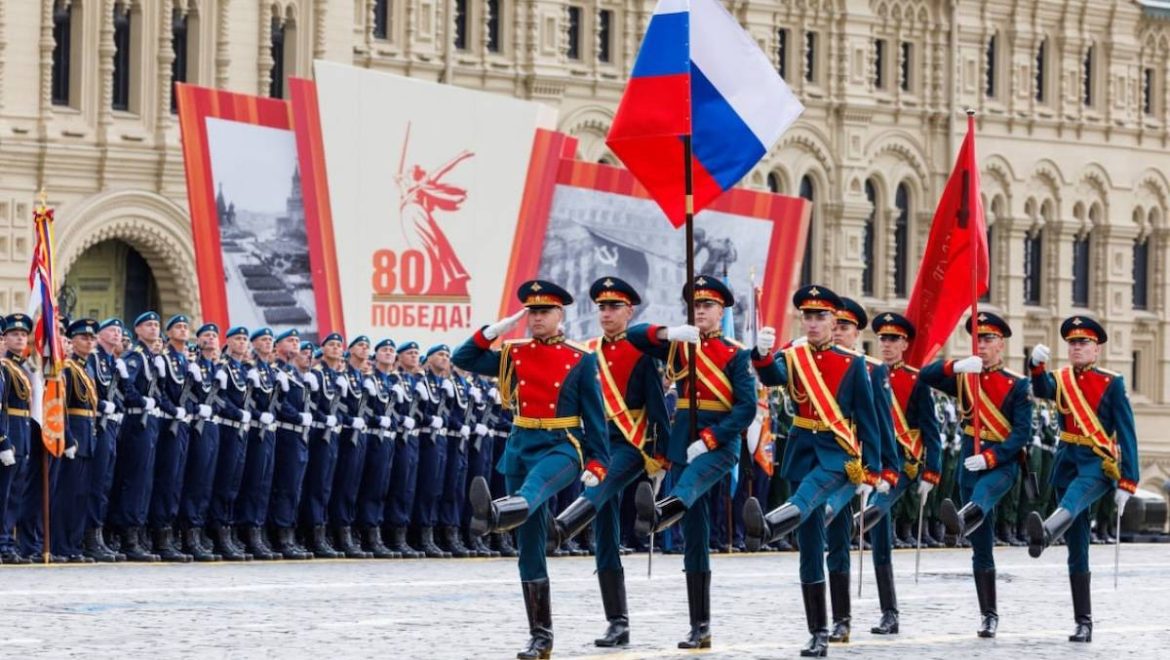
Despite many efforts for a ceasefire, the war in Ukraine continues unabated. Russia’s war against Ukraine actually began in 2014 with the annexation of Crimea and continued through intermittent clashes. In February 2022, however, Moscow launched a full-scale invasion, escalating the war to a new level. Yet, Russia—despite its claim of being a superpower—failed to
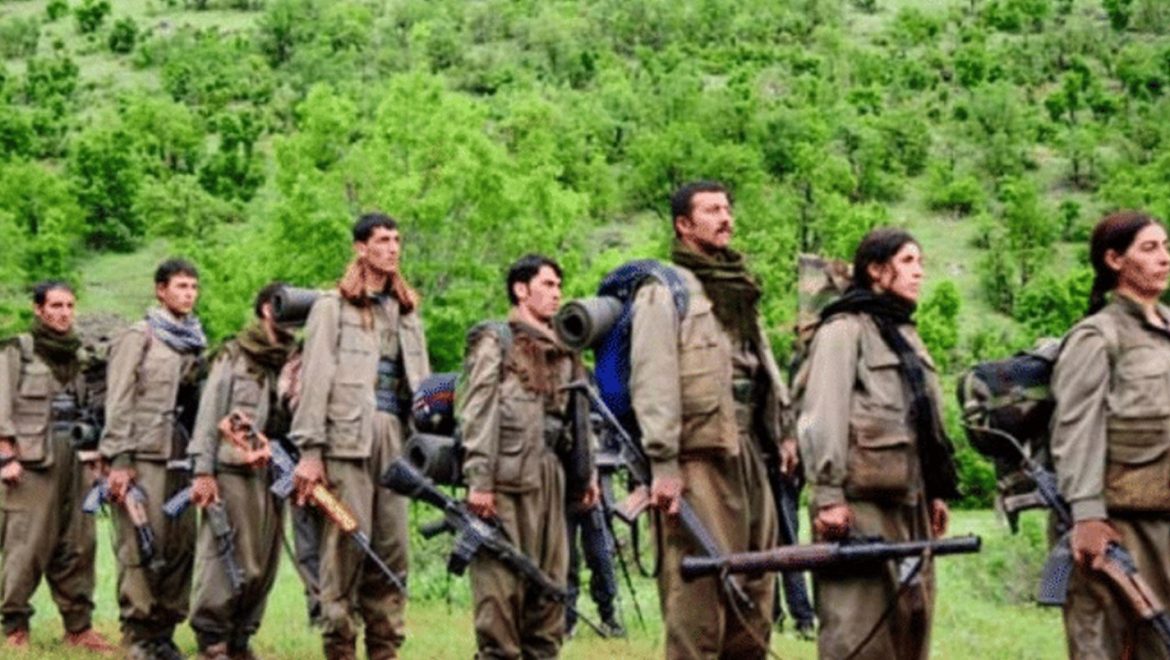

Türkiye’s ongoing peace process with the outlawed Kurdistan Workers’ Party (PKK) holds the potential to end one of the country’s most destructive conflicts of the past four decades. Yet a lasting settlement cannot be achieved in isolation. Unless the Kurdish question in northern Syria is addressed, any peace at home will remain fragile. Instability in
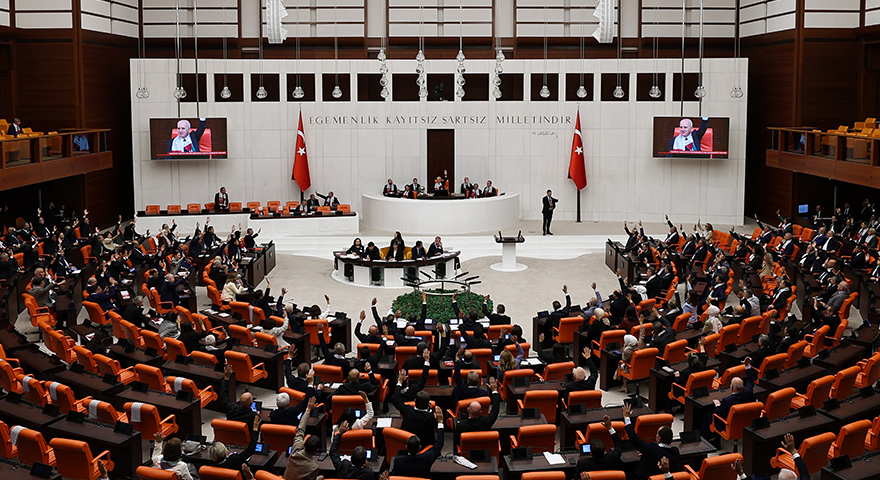

The only issue uniting the political parties in the Turkish Grand National Assembly (TBMM), which are divided on almost every matter, was once again evident during the August 29 session: the escalating Israeli aggression against Palestine and the Palestinian people. Despite being on recess, the parliament convened extraordinarily to strongly condemn Israel’s “annihilation and annexation”
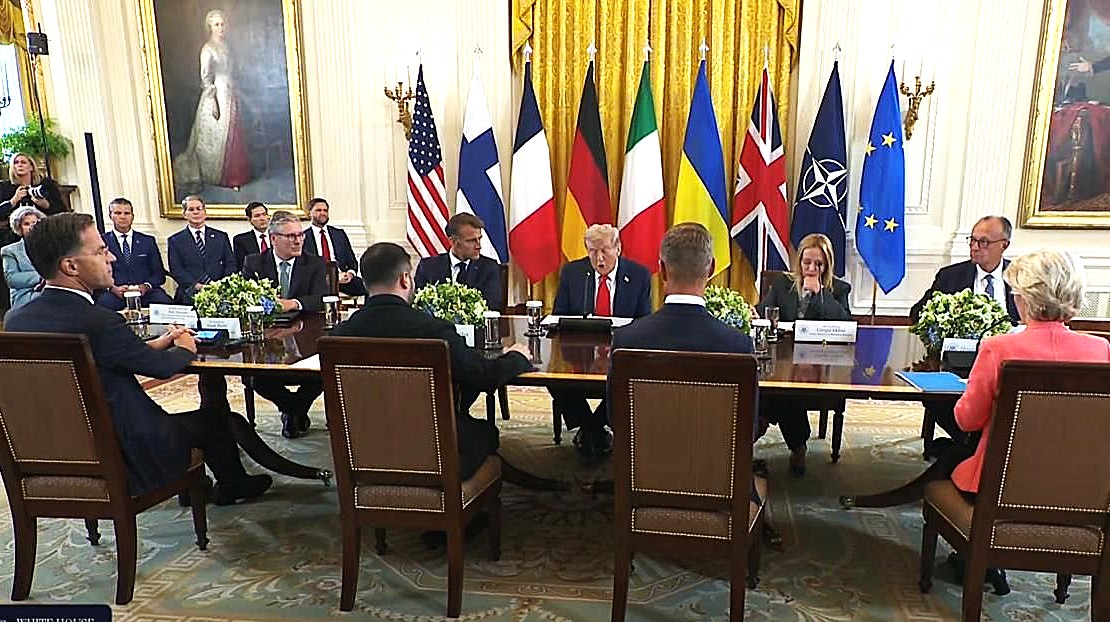

August 18, 2025, may go down in history as a dark day for European diplomacy. Three days after meeting Russian President Vladimir Putin in Alaska on August 15, U.S. President Donald Trump, outmaneuvering European leaders, summoned them to his doorstep, saying, “Come, let me explain.” Putin had not wanted Ukrainian President Volodymyr Zelenskyy at the
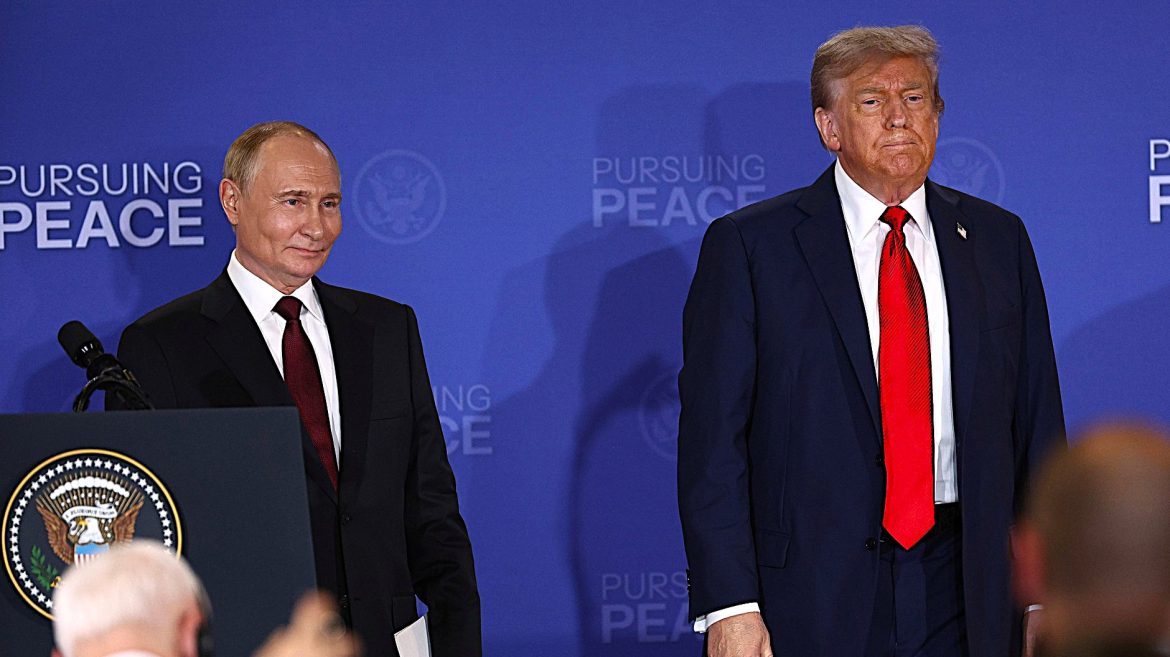
The three-hour meeting between U.S. President Donald Trump and Russian President Vladimir Putin on August 15 at the Elmendorf–Richardson Air Force base in Anchorage, Alaska, bore some resemblance to the Yalta Conference of 1945, which marked the end of World War II. Eighty years ago, the United States, the Soviet Union (USSR), and the United
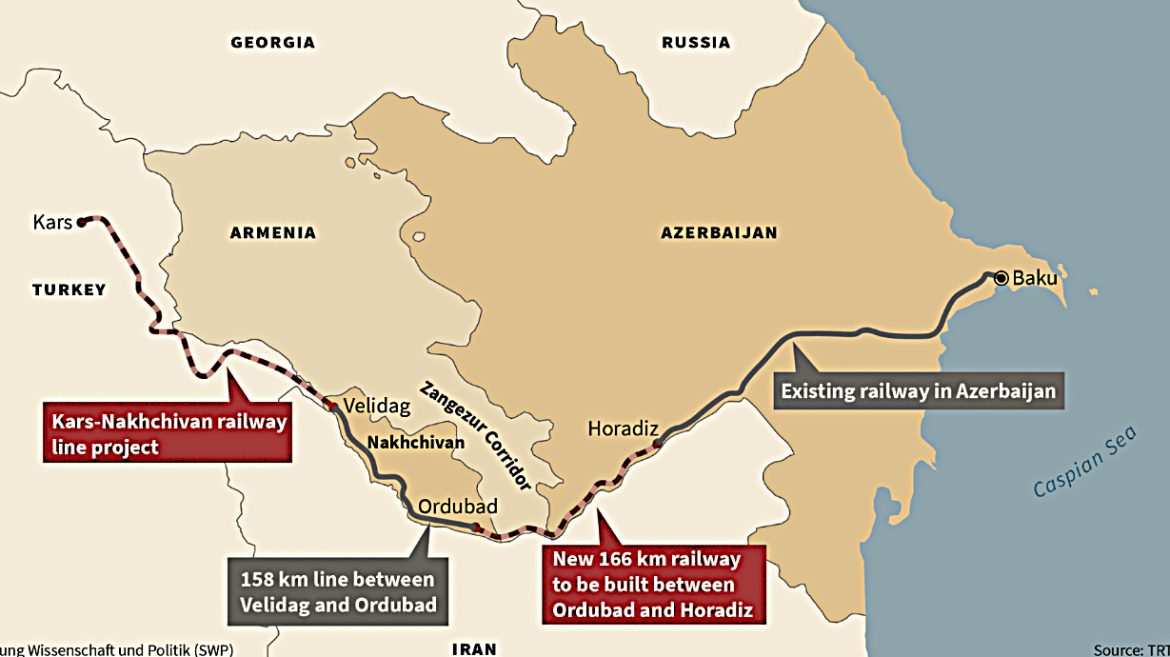

The US-brokered peace accord between Azerbaijan and Armenia, signed at the White House under President Donald Trump’s mediation, is being celebrated as a landmark in conflict resolution. However, beyond ending decades of hostility, it has created a rare geopolitical opportunity for Türkiye to advance its regional strategy and reshape the South Caucasus’ security and connectivity
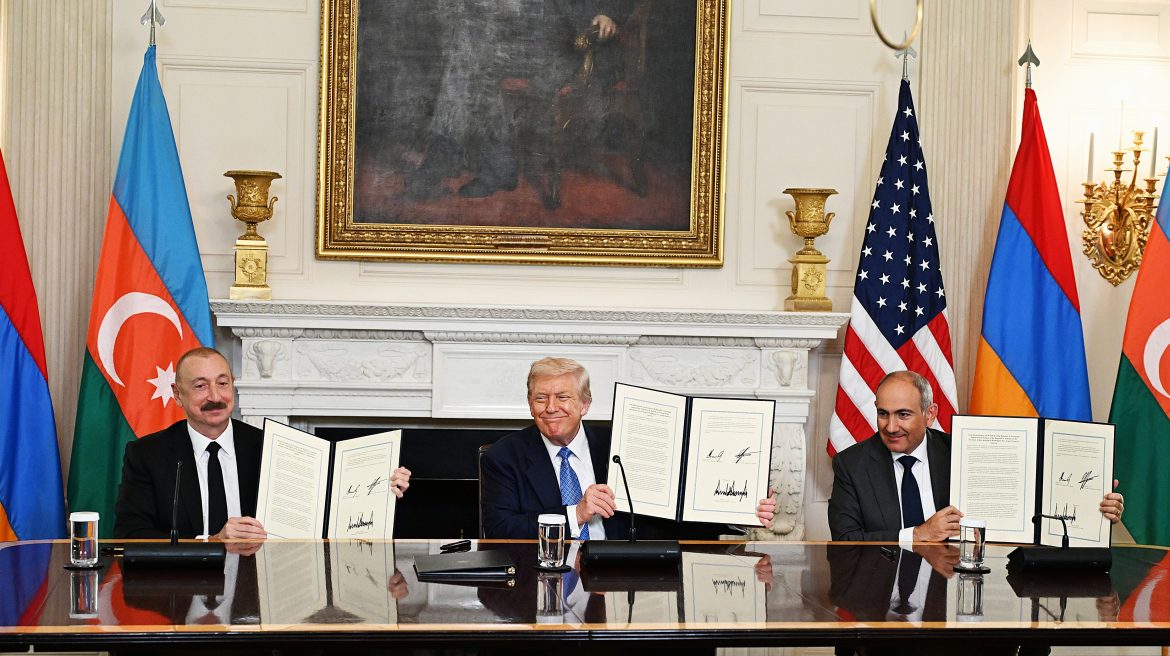
The agreement reached on August 8 in Washington by Azerbaijani and Armenian leaders Ilham Aliyev and Nikol Pashinyan, facilitated by US President Donald Trump, has the potential to reshape not only the Caucasus but also the political and economic balances in Central Asia and the Middle East. Notably, the mutual pledge of non-aggression and the
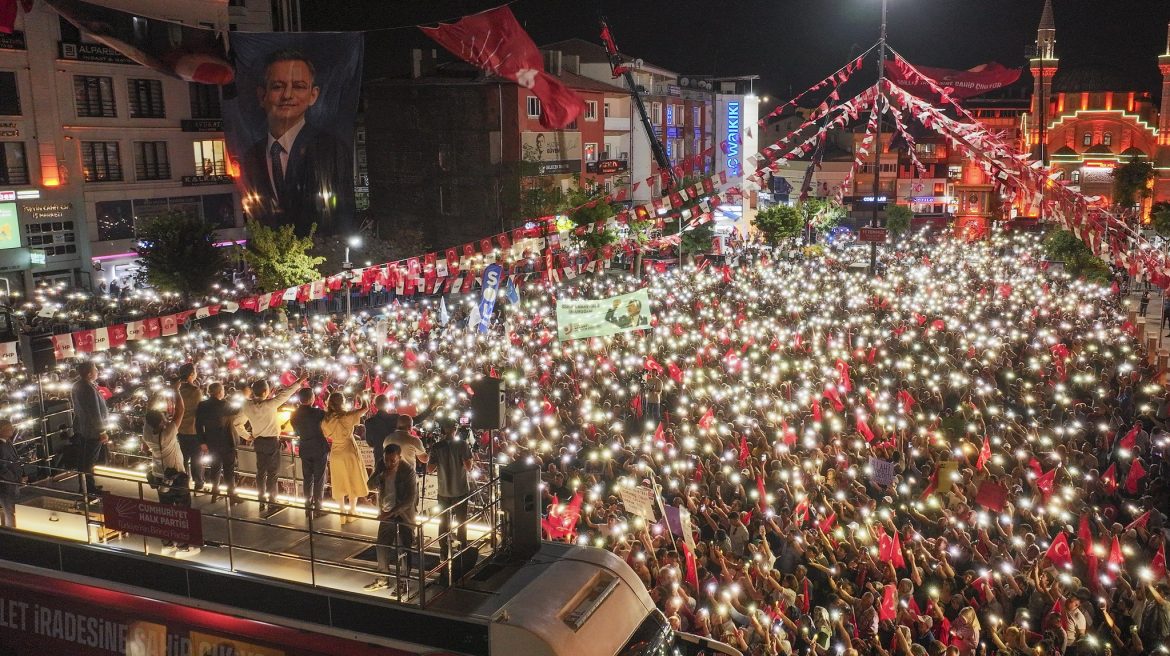
The Turkish opposition Republican People’s Party (CHP) leader Özgür Özel can mobilize people to fill squares in his protest rallies in the hottest summer in recent years, in the heat of July and August; there’s more than one reason for it. Let’s be clear: if crowds in Anatolian cities, in cities where President Tayyip Erdoğan’s


The 27th in the series of Symi democracy conferences organized by former Greek Prime Minister George Papandreou was held on the Greek island of Skiathos between 13-17 July. The symposium with the theme “Is there hope for democracy”, to which I was invited due to our presentation of the Better Judiciary Association’s “Turkish Judicial Reform
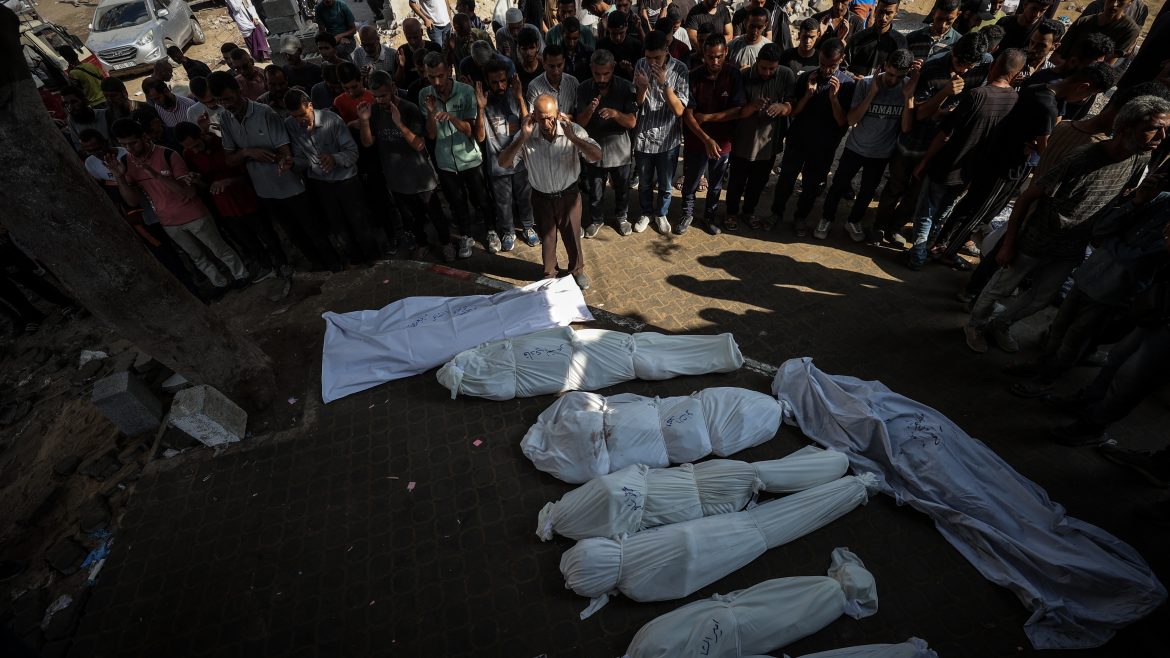
On July 22, The New York Times published an article titled, “No, Israel Is Not Committing Genocide in Gaza.” Its author, Bret Stephens, is known as one of the newspaper’s “conservative” columnists. On the same day in Gaza On the day the article was published, 80 more people were killed in Israel’s Gaza operation. Of