
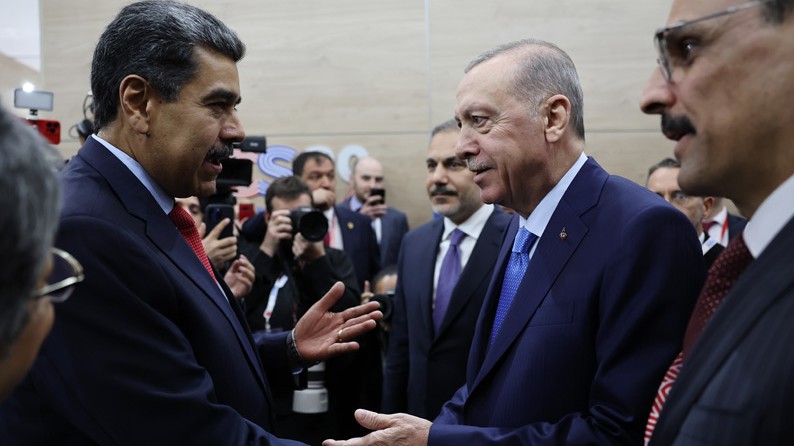

The reactions—both spoken and unspoken—of President Recep Tayyip Erdoğan and Türkiye’s ruling Justice and Development Party (AKP) following U.S. President Donald Trump’s abduction of Venezuelan President Nicolás Maduro reveal more than diplomatic caution. They point to deep unease in Ankara’s relations with Washington. Trump’s recent posture—issuing implicit threats to countries from Iran to Cuba, Colombia
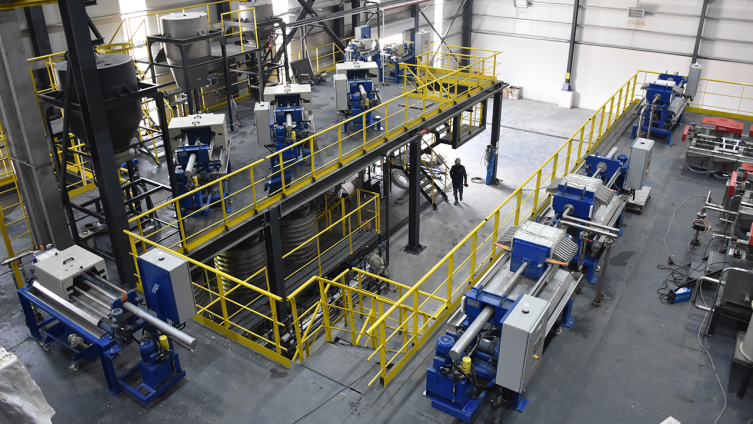

My generation learned about energy geopolitics through oil. We witnessed oil wars, embargoes, tanker crises, the political power of OPEC, and how the United States reshaped the world through energy. Then came natural gas. It was called a “transition fuel,” but it quickly turned into a new tool of strategic dependency. Today, however, we stand
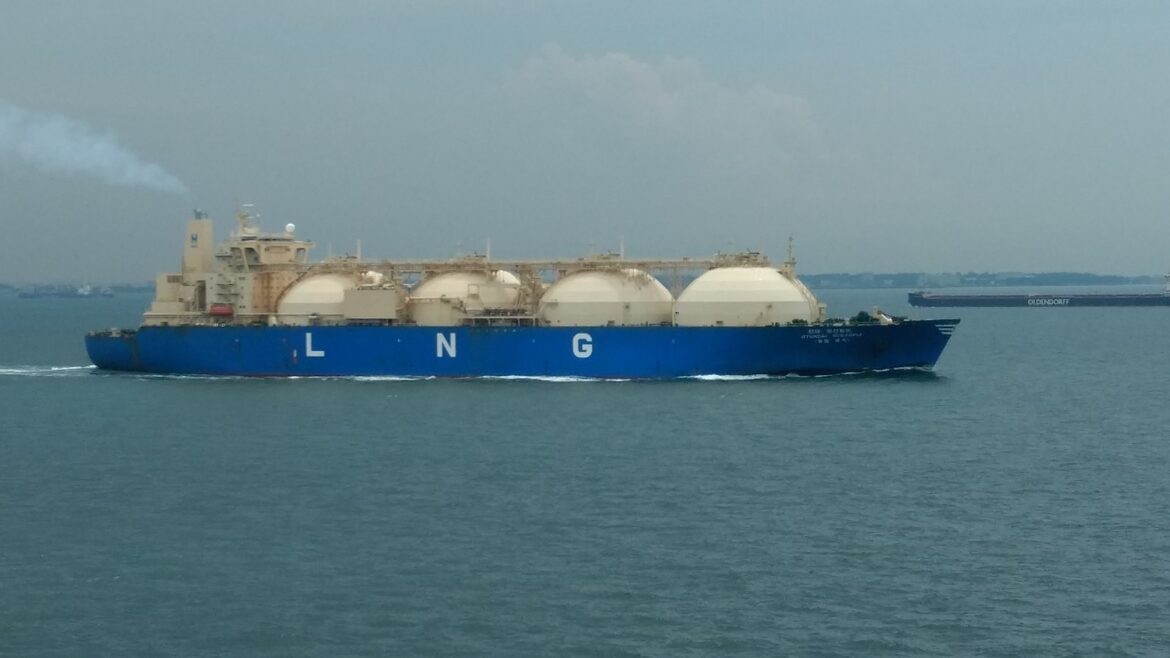
The 20-year Turkish-US deal signed in Washington on September 25 during Turkish President Tayyip Erdoğan’s meeting with US President Donald Trump marks a new chapter in energy and geopolitics balance. The agreement between BOTAŞ and US producers is more than a long-term supply contract; it is a clear signal of Türkiye’s determination to reduce dependence
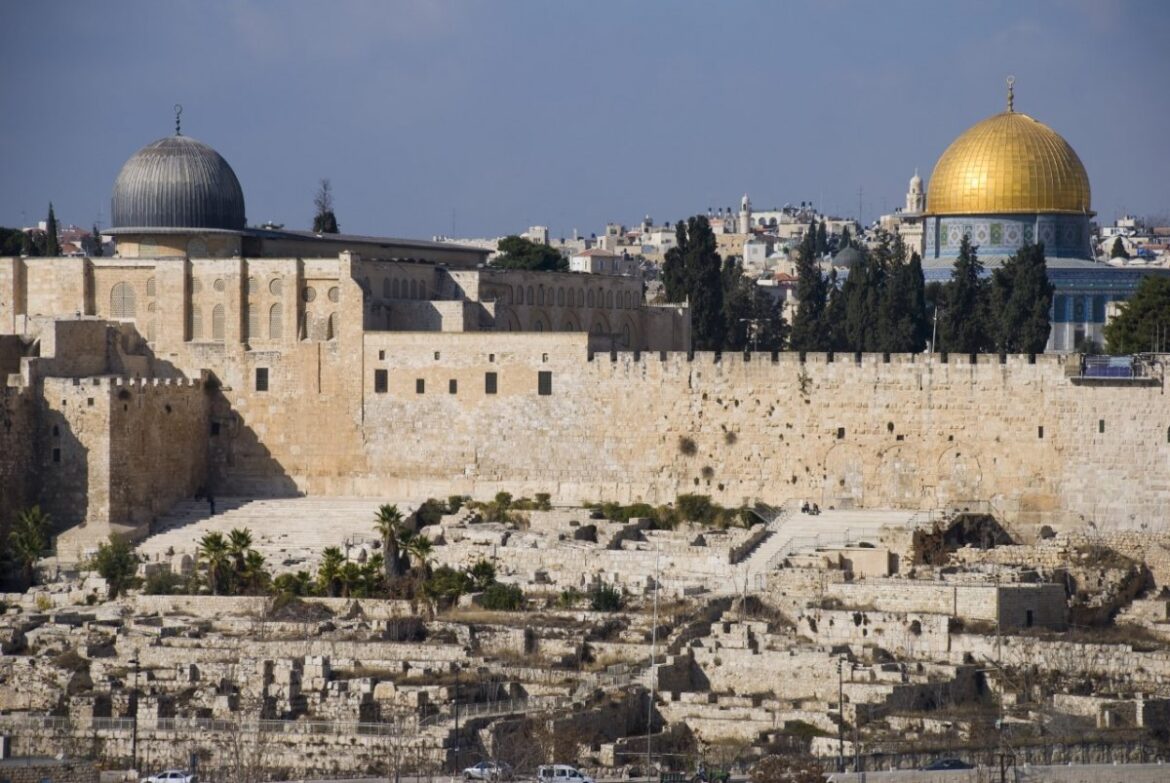
The Erdoğan–Netanyahu confrontation is no longer just a war of words. It reflects a deeper struggle shaped by the contested status of Jerusalem, energy rivalries in the Eastern Mediterranean, and U.S. unwavering support for Israel. The only way out lies in a hard-nosed approach to deterrence, balanced by sober diplomacy. From words to weapons For