

Ankara did not take seriously—did not even consider a threat—the attempt by Israel, Greece, and Southern Cyprus to form an alliance against Türkiye. On December 24, President Tayyip Erdoğan described the statements made by the three leaders in Jerusalem on December 22 as “tin clatter” and a “provocation” that Türkiye would not fall for. The
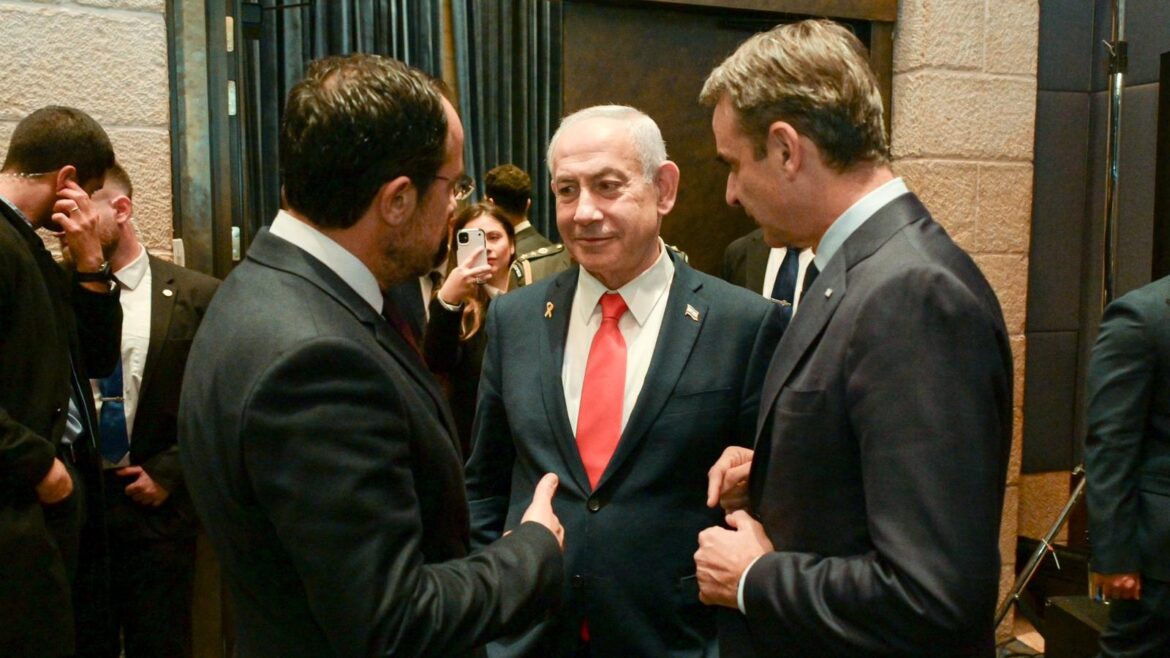
On December 22, the very day Ankara virtually launched an SDF-focused diplomatic offensive toward Damascus, Israel formed an anti-Türkiye alliance together with the governments of Greece and Southern Cyprus. As Foreign Minister Hakan Fidan, Minister of National Defense Yaşar Güler, and National Intelligence Organization (MİT) Director İbrahim Kalın were meeting in Damascus with President Ahmed
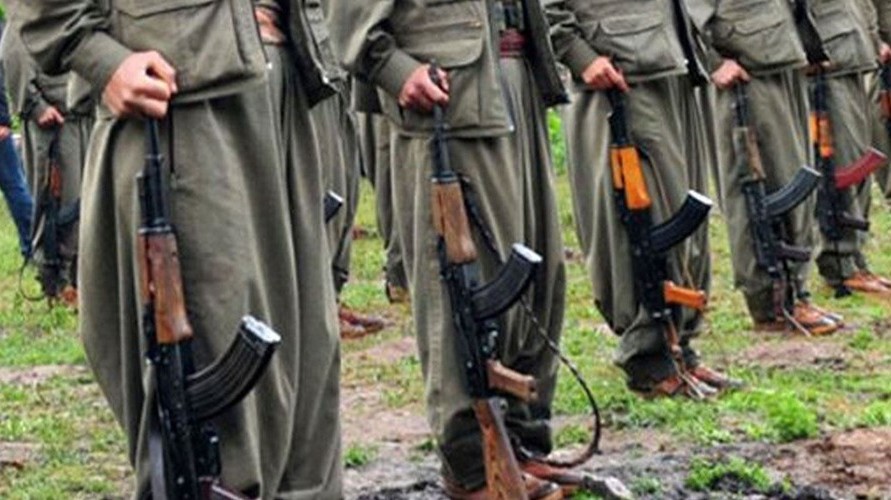

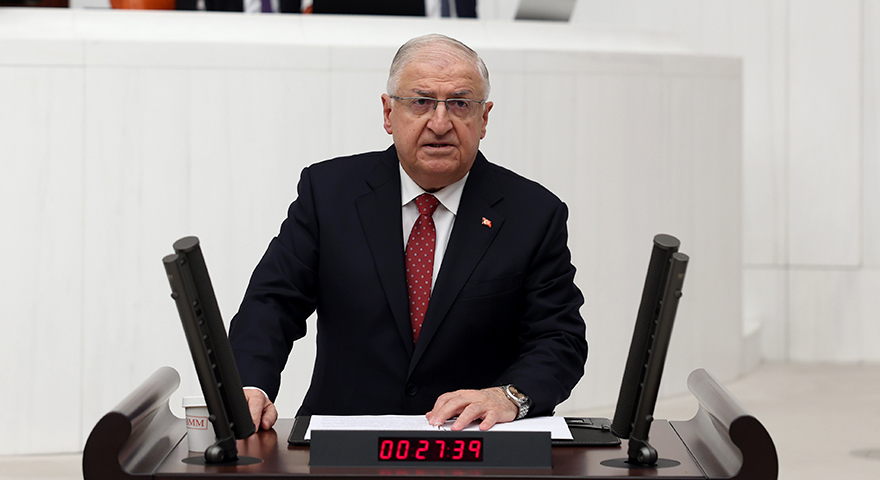
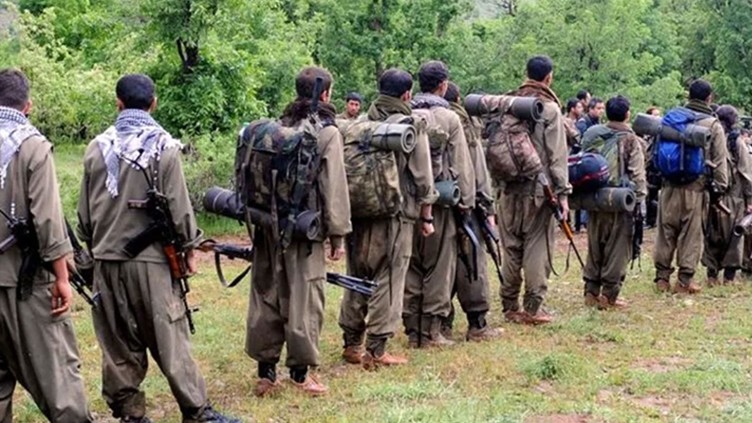
Minister of National Defense Yaşar Güler announced that Türkiye has been providing Tehran with daily intelligence on the PKK and its Iranian affiliate PJAK, which—contrary to their promise to disarm and come to Ankara in anticipation of a regime change in Iran during the Israel–Iran war in June 2025—transferred armed forces from Iraq instead. Speaking
Tension over Syria is rising in Ankara on two interconnected levels. One is the military pressure Israel is exerting on the Ahmed al-Shara administration and on Syria’s sovereignty and territorial integrity. The other is the SDF’s reluctance to take responsibility for the disarmament process—acting as if it has no connection whatsoever with the PKK—while keeping
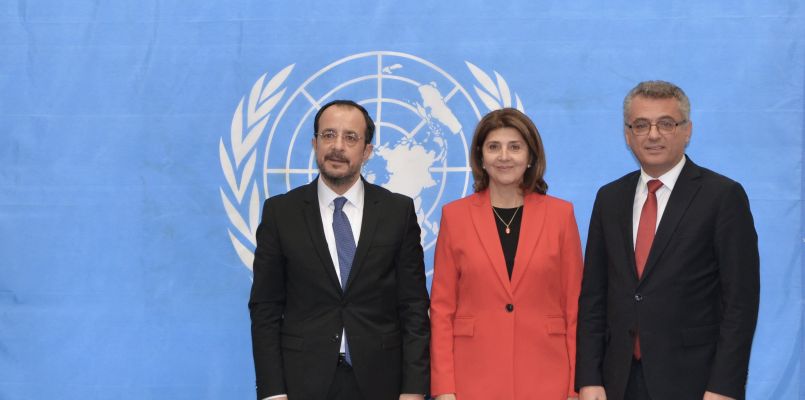

Cyprus has seen countless diplomatic moments that promised more than they delivered. The island has lived through phases of hope, disappointment, silence and outright denial of shared political space. Yet something quietly significant happened in Nicosia last week. For the first time since the collapse of the Crans Montana negotiations in 2017, the two Cypriot
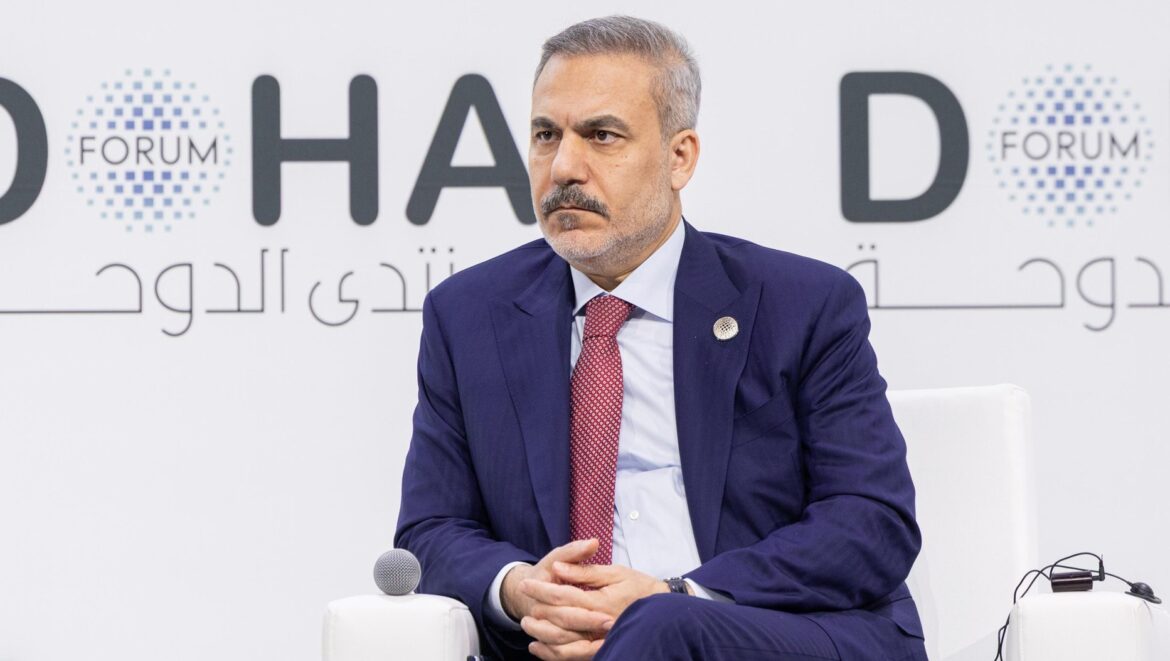
As Syria’s new regime completes its first year on Dec 8, Ankara has sent three warning messages—via the SDF to the PKK and to the SDF’s patron, the United States—indicating that “the wind may turn” if the current course continues: 1. Statements by Foreign Minister Hakan Fidan at the Doha Forum 2. Visits to Damascus


Türkiye and Israel are weathering one of the most acrimonious periods in their modern diplomatic history. The humanitarian catastrophe in Gaza, Israel’s increasingly assertive posture in Syria, its strategic alignment with Greece and the Greek Cypriot administration, and the heightened pressure from influential segments of the US Jewish lobby on Ankara have all contributed to
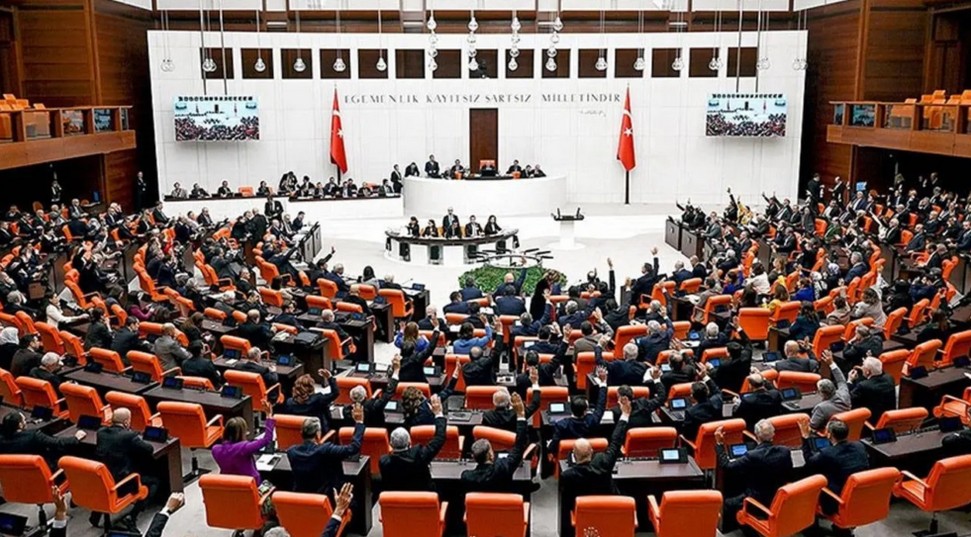
TBMM Commission’s 4 December Meeting Seen as Critical for 2026 Phase of “Terror-Free Türkiye” The 4 December meeting of the Turkish Grand National Assembly (TBMM) Commission is viewed as a crucial milestone for the AK Party–MHP alliance’s “Terror-Free Türkiye” initiative as it enters the first half of 2026. In his opening remarks on 5
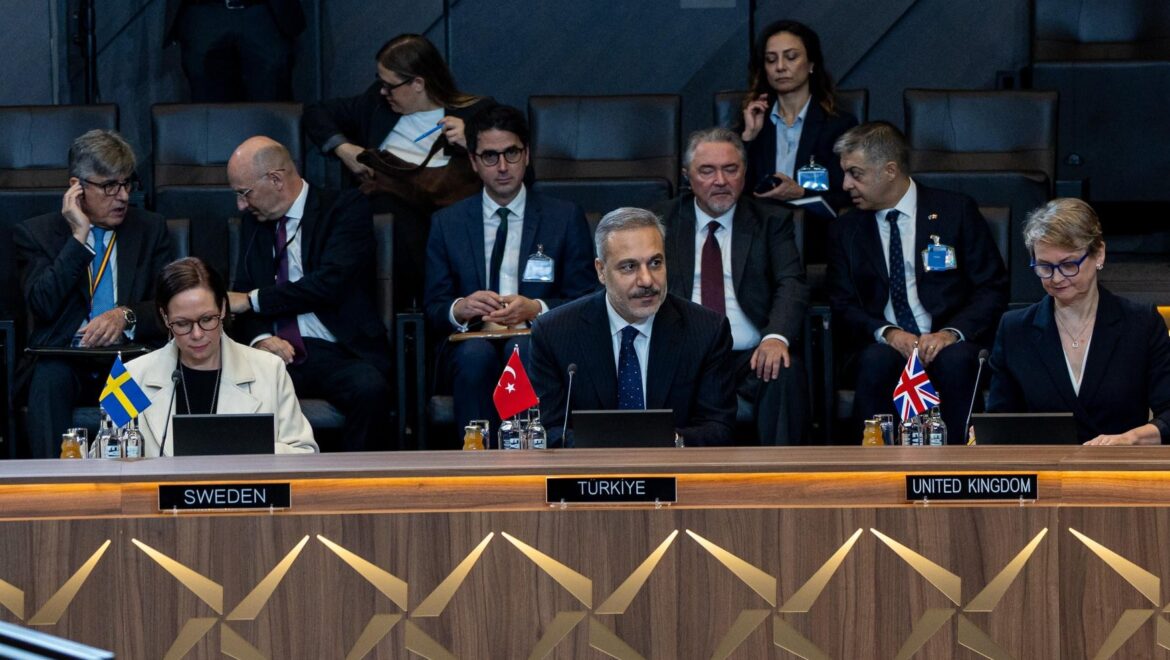
Turkish Foreign Minister Hakan Fidan warned that the Russia–Ukraine conflict is spreading to a wider region, calling the trend “deeply alarming.” Speaking after the NATO Foreign Ministers’ meeting on Ukraine in Brussels on December 3, Fidan said the European Union’s expectations from Ankara are being “held hostage” by the Greek Cypriot Administration. Fidan also noted
A workshop titled “Looking Together Toward a Shared Future” was held in Ankara on 1 December, bringing together around 60 representatives from political parties, business groups, civil society, research organizations, and the media. The event was jointly organized by the Diyarbakır-based Rawest and Kurdish Studies Center and the İzmir-based Bayetav. Discussions focused on the political,