
Turkish Foreign Relations Analysis and Forecast: Insightful reporting of Turkish diplomacy with its ups and downs in relations with the U.S., Russia the Europe and the Islamic World.
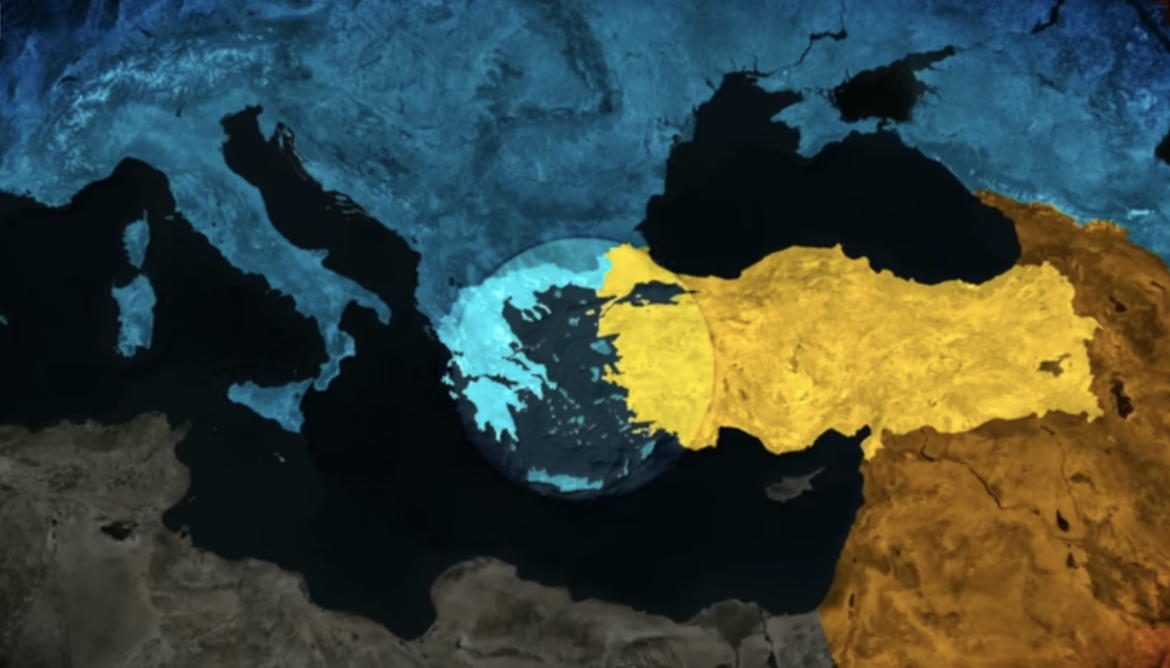

“Casus belli” is one of the hundreds of terms Latin has contributed to international law. When pronounced in Turkish exactly as it is written, it takes on a completely different meaning. Unfortunately, some high-profile television hosts and so-called strategy analysts—whose credibility is often self-proclaimed—continue to look for a “spy,” as if they were in a


In mathematics, when solving systems of equations with multiple unknowns, there is the concept of a “temporary variable,” or in the terminology of statistics and economics, a “dummy variable.” If the number of equations you need to solve exceeds the number of variables, you invent variables to fill the gaps in the matrix. Once a
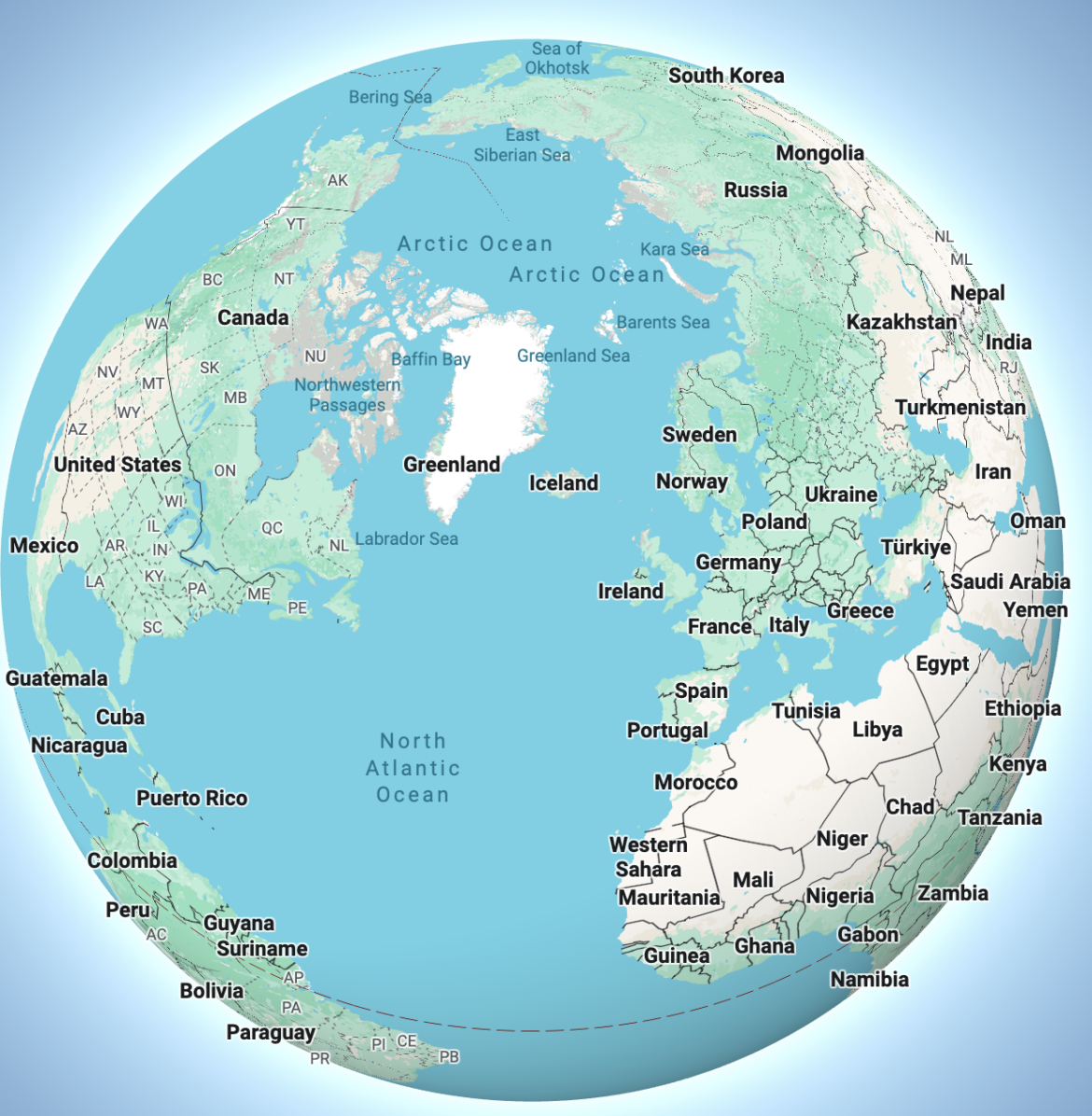
When you rotate the Google Earth application 90 degrees vertically instead of horizontally, the map above appears, clearly revealing why U.S. President Donald Trump set his sights on Greenland the very day after his military intervention in Venezuela. The area that looks like a sea in the center is the Arctic Ocean. It is covered
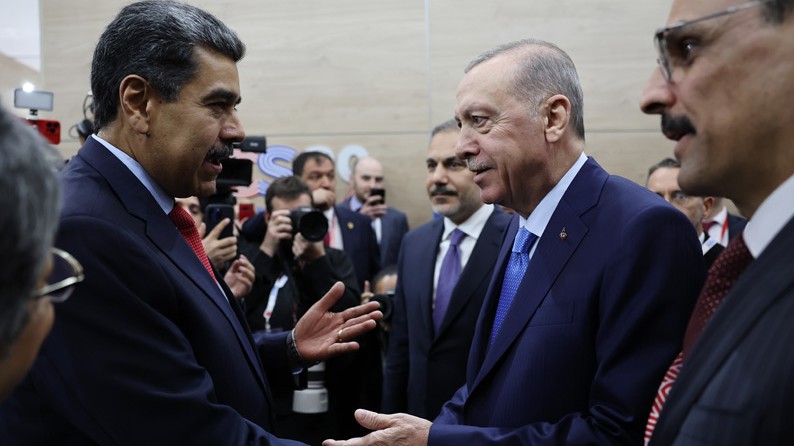
The reactions—both spoken and unspoken—of President Recep Tayyip Erdoğan and Türkiye’s ruling Justice and Development Party (AKP) following U.S. President Donald Trump’s abduction of Venezuelan President Nicolás Maduro reveal more than diplomatic caution. They point to deep unease in Ankara’s relations with Washington. Trump’s recent posture—issuing implicit threats to countries from Iran to Cuba, Colombia
Ankara did not take seriously—did not even consider a threat—the attempt by Israel, Greece, and Southern Cyprus to form an alliance against Türkiye. On December 24, President Tayyip Erdoğan described the statements made by the three leaders in Jerusalem on December 22 as “tin clatter” and a “provocation” that Türkiye would not fall for. The
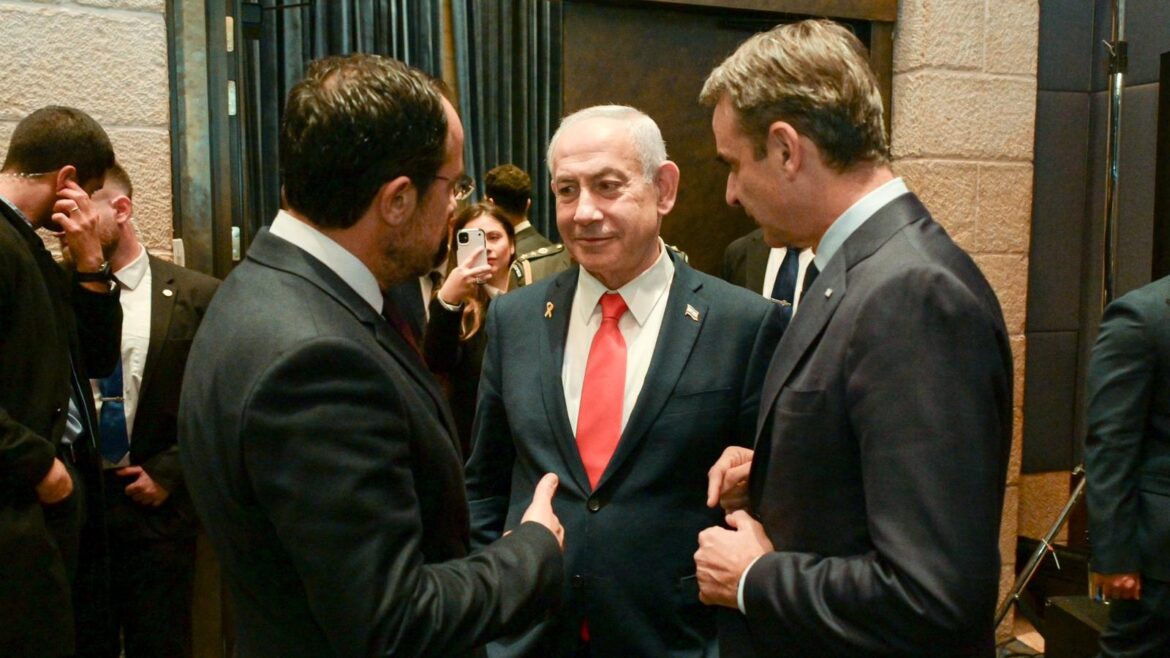
On December 22, the very day Ankara virtually launched an SDF-focused diplomatic offensive toward Damascus, Israel formed an anti-Türkiye alliance together with the governments of Greece and Southern Cyprus. As Foreign Minister Hakan Fidan, Minister of National Defense Yaşar Güler, and National Intelligence Organization (MİT) Director İbrahim Kalın were meeting in Damascus with President Ahmed
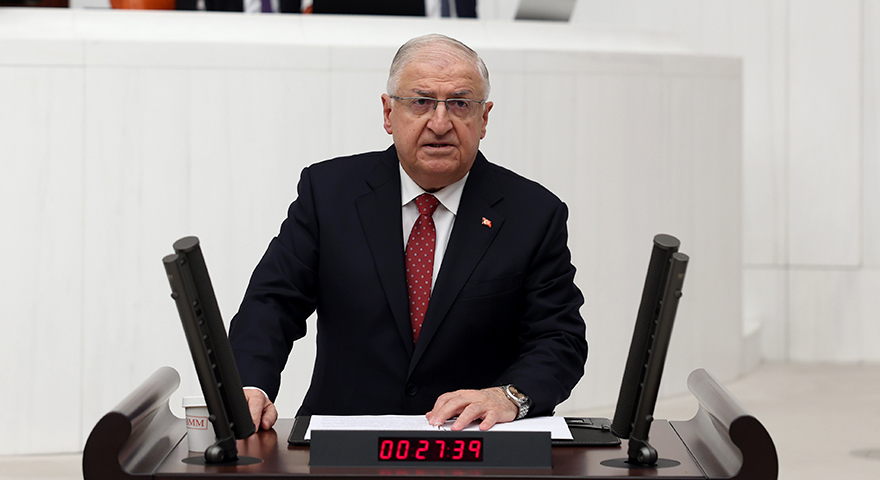
Tension over Syria is rising in Ankara on two interconnected levels. One is the military pressure Israel is exerting on the Ahmed al-Shara administration and on Syria’s sovereignty and territorial integrity. The other is the SDF’s reluctance to take responsibility for the disarmament process—acting as if it has no connection whatsoever with the PKK—while keeping


Türkiye and Israel are weathering one of the most acrimonious periods in their modern diplomatic history. The humanitarian catastrophe in Gaza, Israel’s increasingly assertive posture in Syria, its strategic alignment with Greece and the Greek Cypriot administration, and the heightened pressure from influential segments of the US Jewish lobby on Ankara have all contributed to
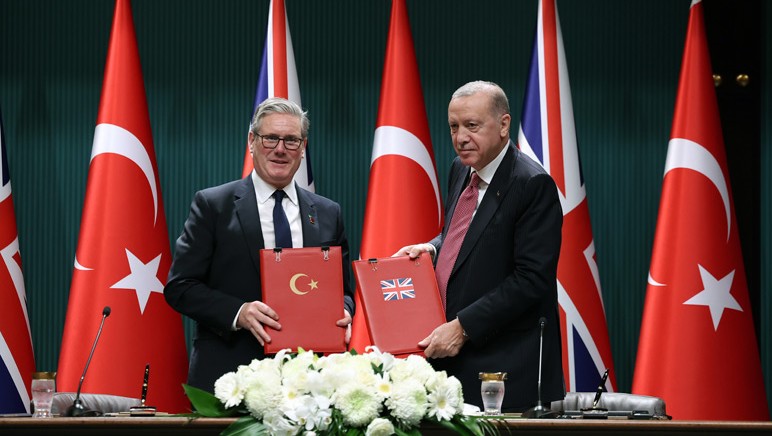
About ten years ago, caricatures of “Sultan Erdoğan” were popular in the Western European press. President Tayyip Erdoğan, who was trying to pull the Turkish Republic into the orbit of Russia and Iran with a neo-Ottoman and political Islamist policy, was seen as the antithesis of the West. The antipathy was so strong that, during
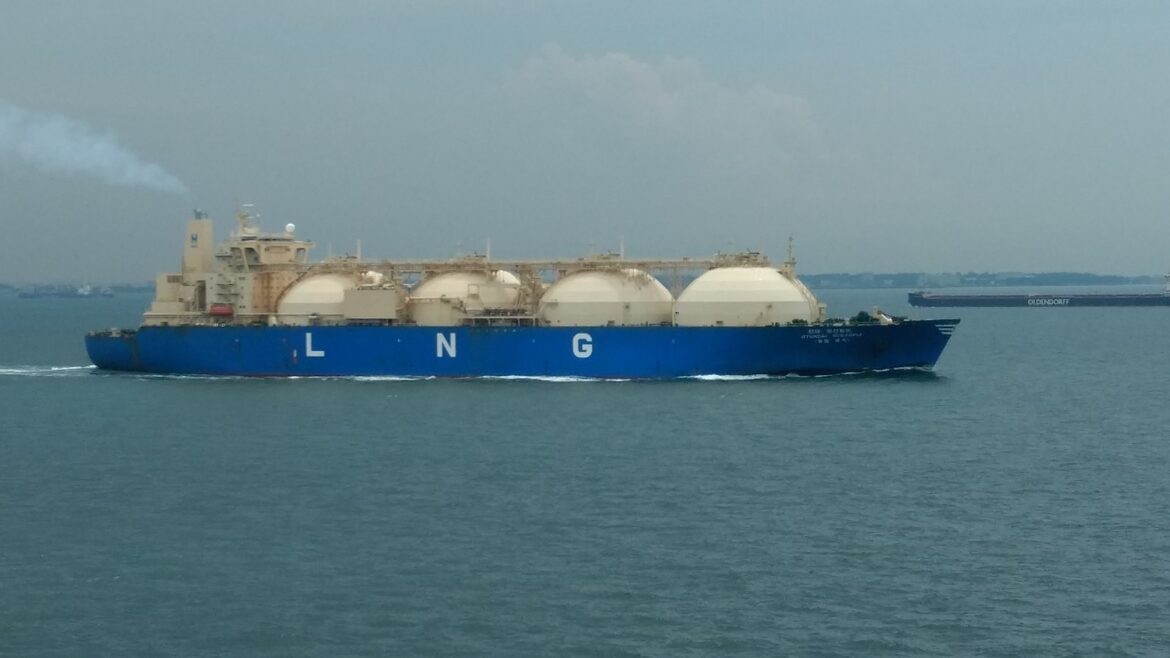
The 20-year Turkish-US deal signed in Washington on September 25 during Turkish President Tayyip Erdoğan’s meeting with US President Donald Trump marks a new chapter in energy and geopolitics balance. The agreement between BOTAŞ and US producers is more than a long-term supply contract; it is a clear signal of Türkiye’s determination to reduce dependence
- 1
- 2