
Turkish Domestic Politics: Analysis and forecast on all relevant developments and insight about Turkish politics with its repercussions in its neighboring countries
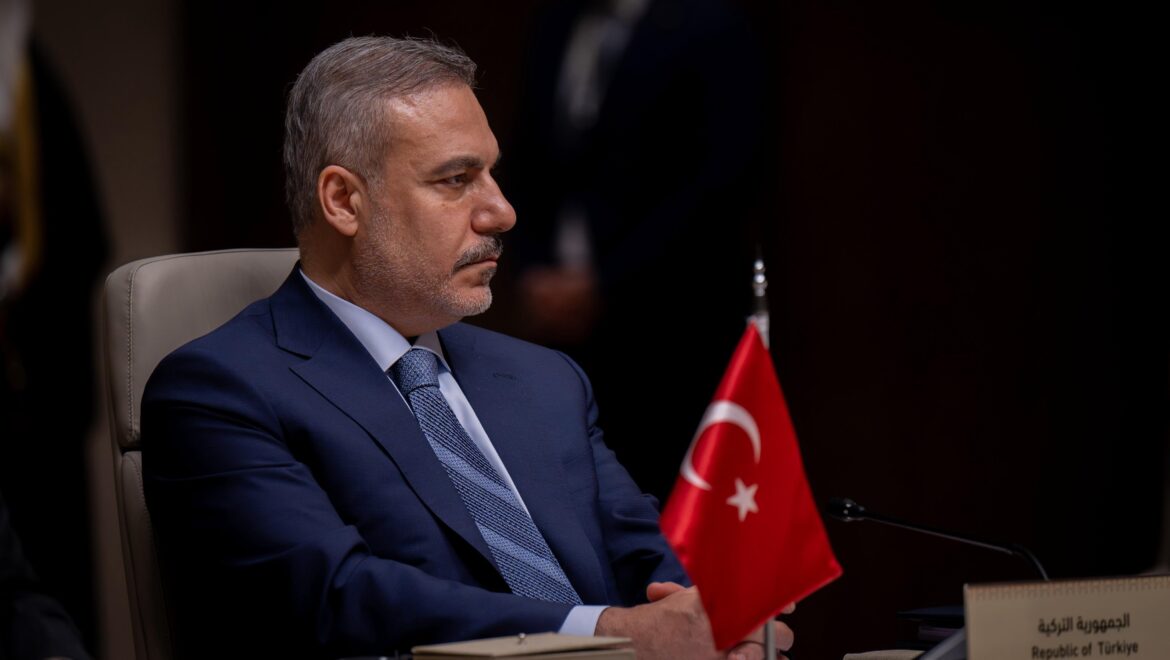

The joint statement issued by the foreign ministers of “regional countries,” who convened in Riyadh, Saudi Arabia, on March 18 to discuss developments in the Iran war, is the kind that may one day be remembered as a victory for Israel. The only sentence in the statement that mentions Israel is the one condemning its
The Center for Combating Disinformation (DMD) stated on March 18, addressing the ongoing debate in social media and political circles over the past two days on whether Türkiye has taken sides in the Iran strike carried out by the U.S.–Israel alliance. The DMD denied claims that a presidential decree, signed by President Tayyip Erdoğan, issued


As tensions surrounding Iran escalate, Washington and Tel Aviv appear to be placing every possible lever on the table — including the potential use of Kurdish forces as a strategic pressure point against Tehran. At precisely this moment, a striking message emerged from within Kurdish political circles themselves: “Leave the Kurds alone. We are not
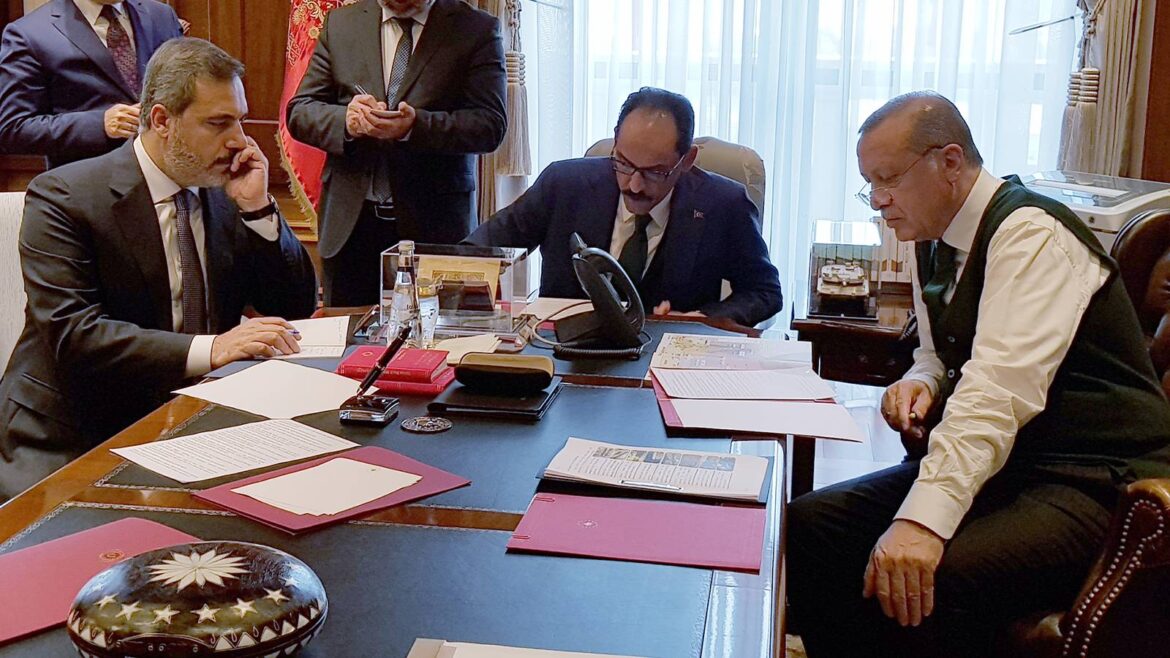
First, let us note that there is no precedent in history for striking the initial blow against a target country by eliminating its top leadership cadres. What we are witnessing here is an entirely different concept of warfare. In the war against Iran launched by the US–Israel alliance, let us begin by examining the positions
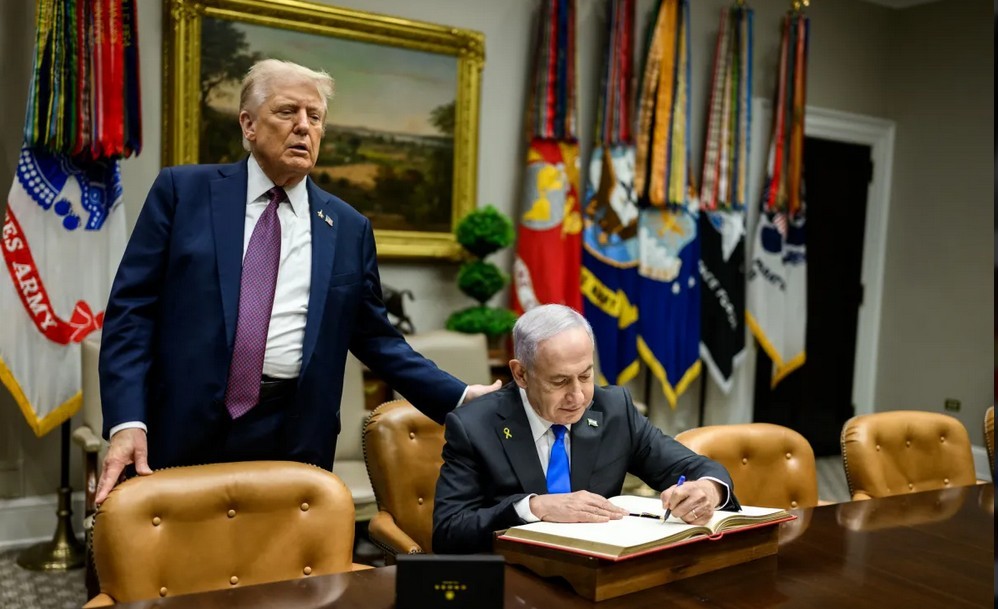
The first major consequence of the coordinated Israeli and U.S. attack on Iran in the early hours of February 28 was the killing of Supreme Leader Ayatollah Ali Khamenei, who had ruled Iran for 37 years. It is also reported that several key figures of the Islamic Republic were killed at the very outset of
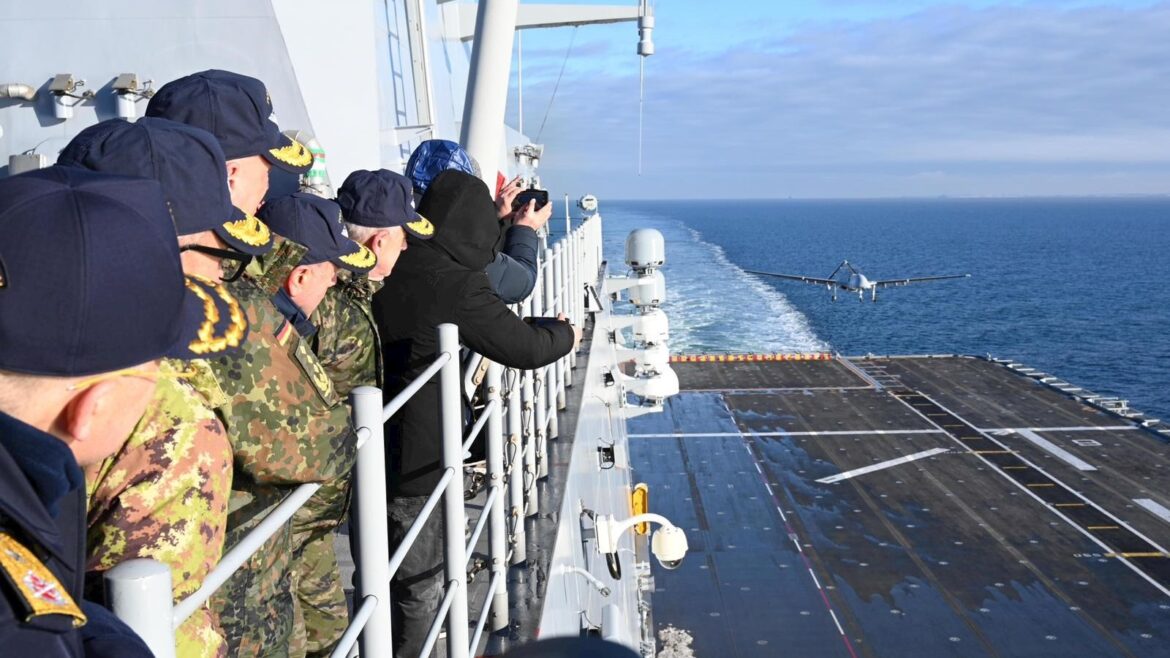
Russian forces entered Ukrainian territory four years ago today, on 24 February 2022. NATO had anticipated the attack. Just as the world was beginning to recover from the trauma of the Covid-19 pandemic, it was perhaps stepping into what could become a simmering, low-intensity world war. On 27 February 2022, Türkiye formally designated the situation
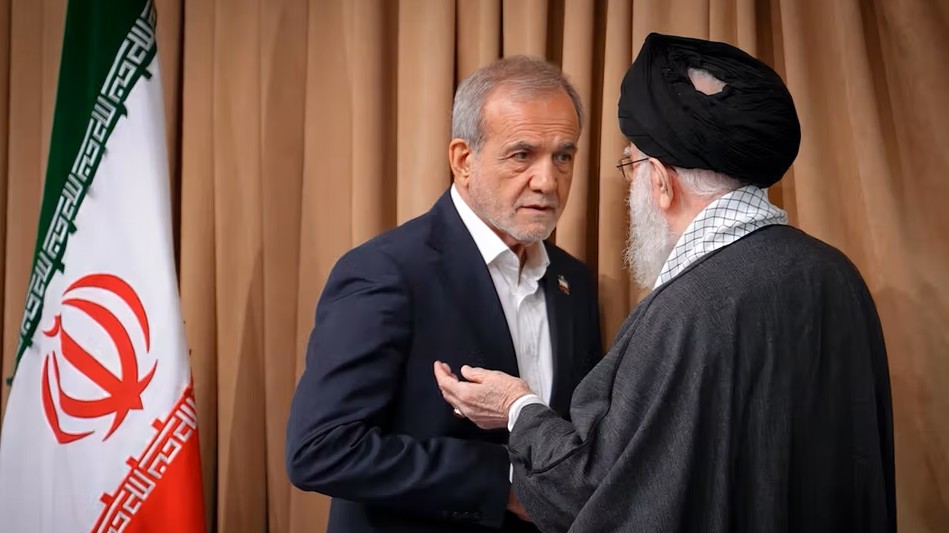
Geopolitical analysis of the US–Iran crisis typically rests on cold calculations of power: air defence systems, missile ranges, sanctions packages, aircraft carriers. Yet occasionally it is more instructive to step deliberately one degree away from realism and ask: what if? Alternative scenarios can illuminate exits from deadlocked equations. Recall that when China brokered diplomatic normalisation
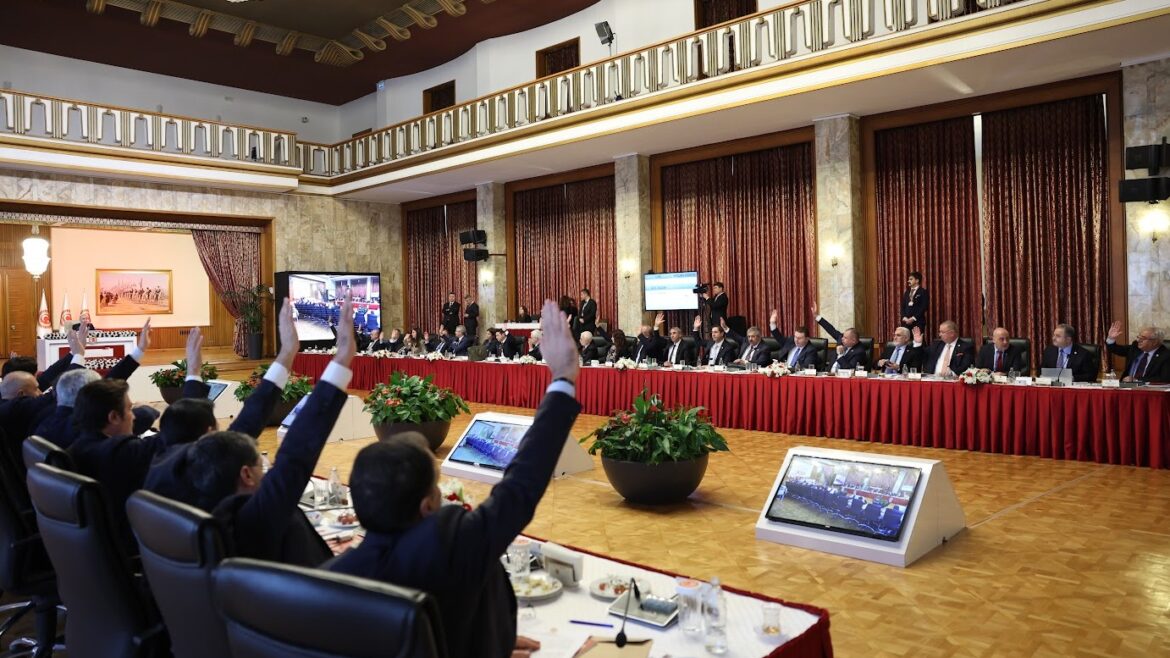

Publicly referred to as the “Terror-Free Türkiye Commission,” the TBMM Commission on National Solidarity, Brotherhood and Democracy completed its work on February 18 — the 198th day since its establishment on August 5, 2025 — by compiling its findings into a report. The report was adopted in a session lasting more than three hours with
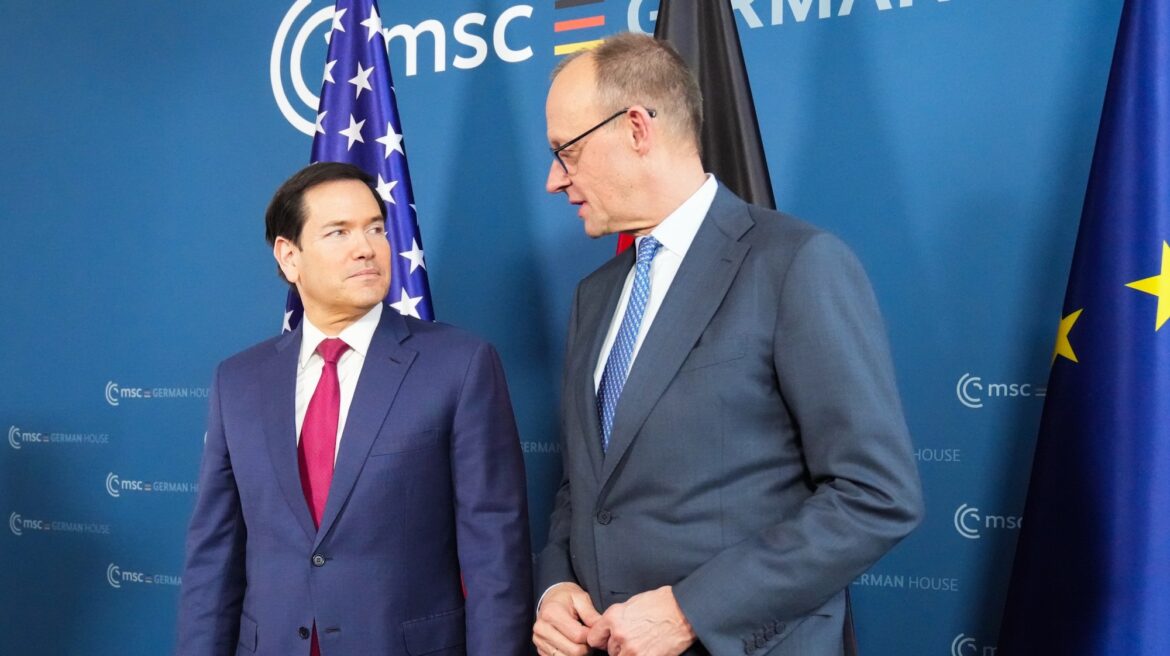
Until Russia launched its invasion of Ukraine in 2022, the Munich Security Conference was regarded as one of the world’s most influential platforms for strategic dialogue — a political barometer for the year ahead. Not only Western countries, but also officials from China, Russia and Iran were invited. Discussions often proved more substantive than those
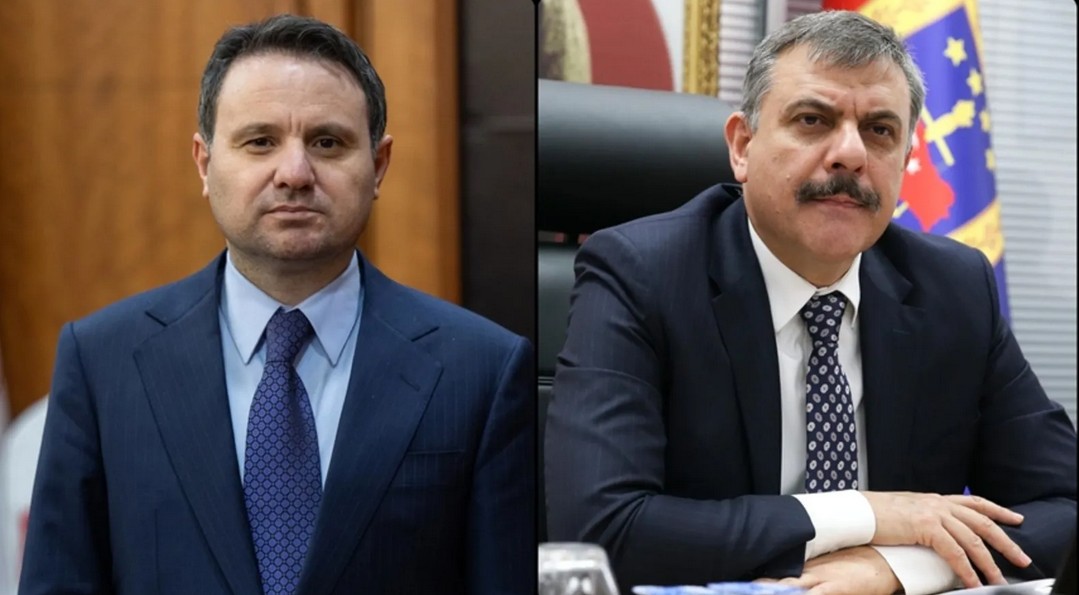
Under a presidential decree issued at midnight on February 10, President Erdoğan appointed Istanbul Chief Public Prosecutor Akın Gürlek to replace Yılmaz Tunç as Minister of Justice, and Erzurum Governor Mustafa Çiftçi to replace Ali Yerlikaya as Minister of Interior. The decree stated that Tunç and Yerlikaya had requested to be “relieved of their duties”,