
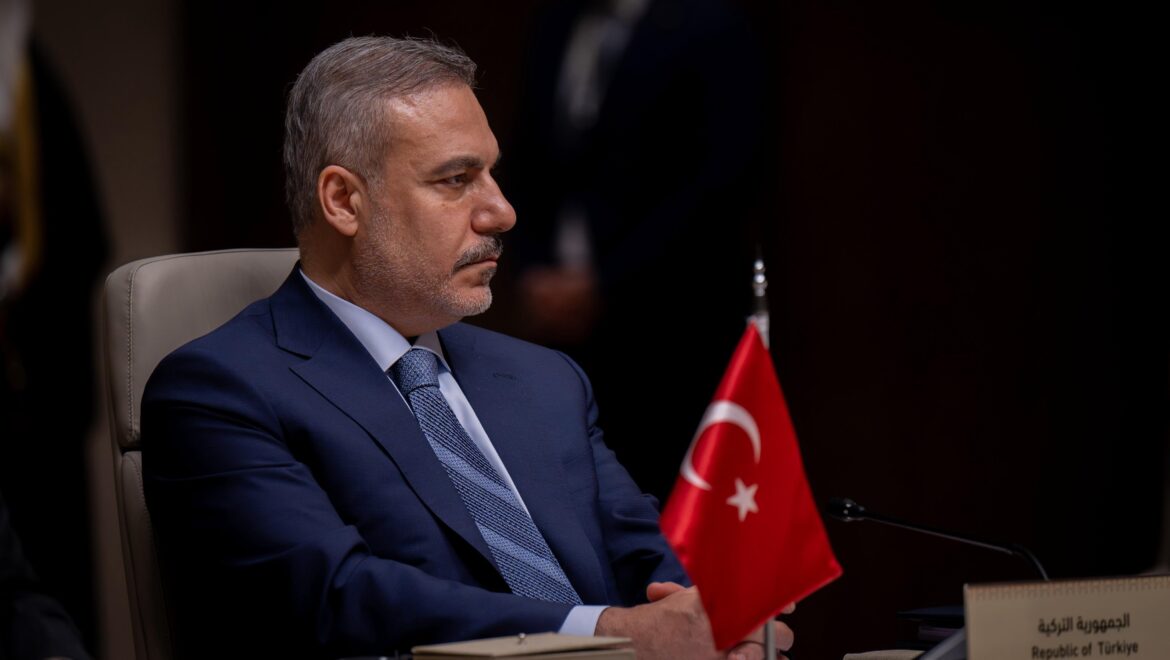

The joint statement issued by the foreign ministers of “regional countries,” who convened in Riyadh, Saudi Arabia, on March 18 to discuss developments in the Iran war, is the kind that may one day be remembered as a victory for Israel. The only sentence in the statement that mentions Israel is the one condemning its
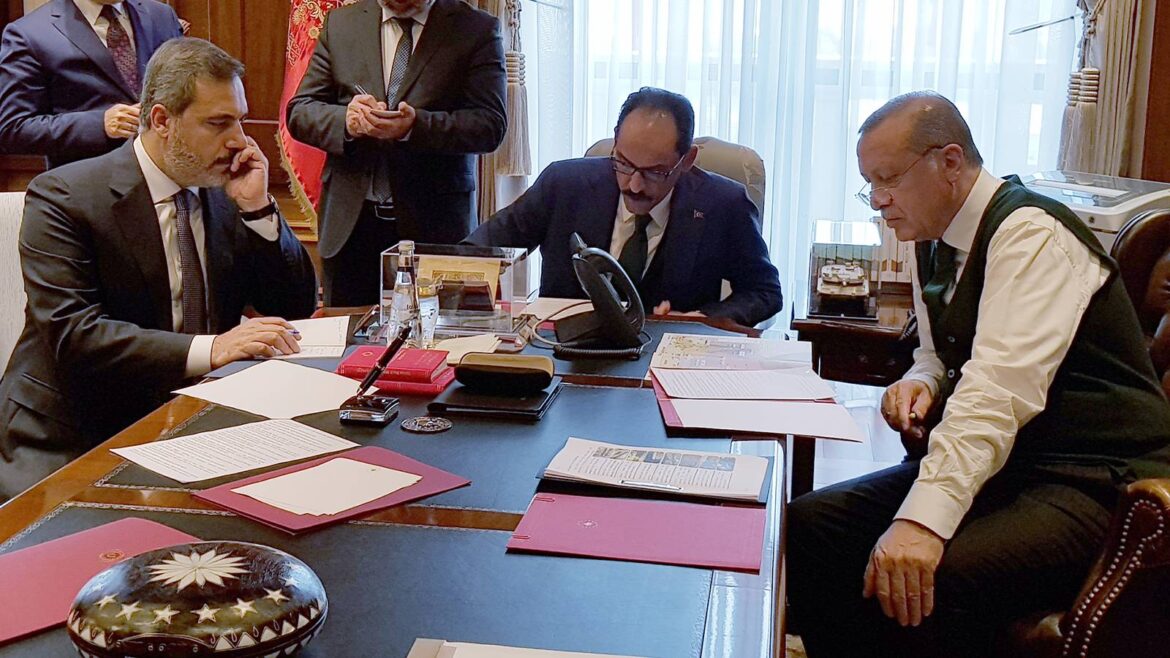
First, let us note that there is no precedent in history for striking the initial blow against a target country by eliminating its top leadership cadres. What we are witnessing here is an entirely different concept of warfare. In the war against Iran launched by the US–Israel alliance, let us begin by examining the positions
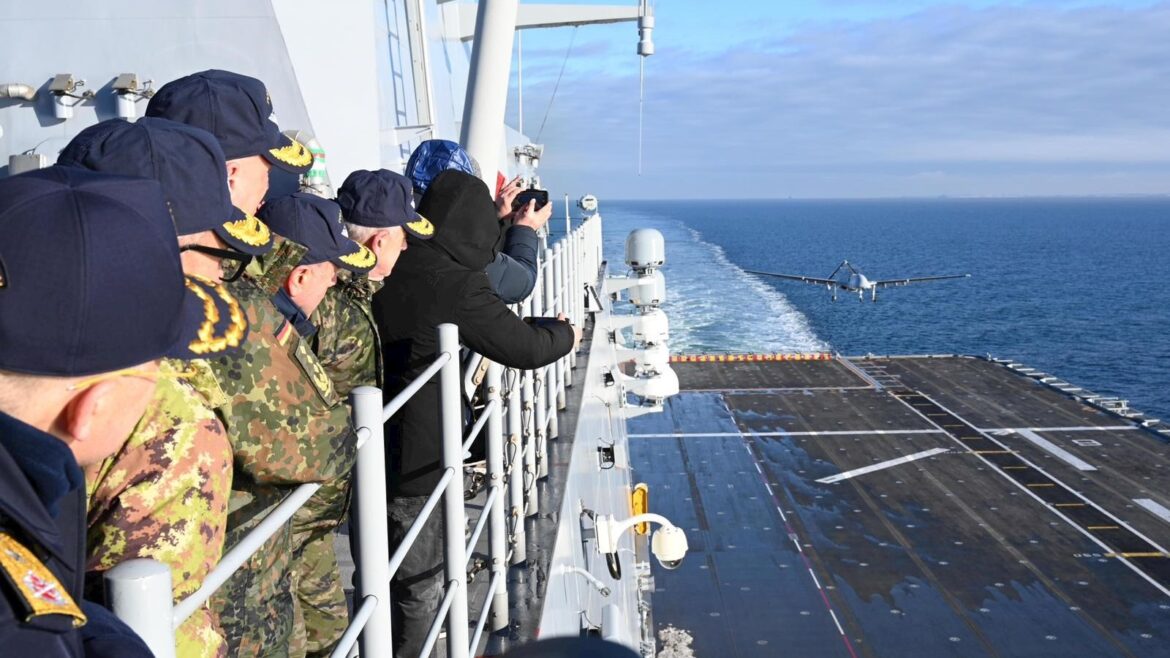
Russian forces entered Ukrainian territory four years ago today, on 24 February 2022. NATO had anticipated the attack. Just as the world was beginning to recover from the trauma of the Covid-19 pandemic, it was perhaps stepping into what could become a simmering, low-intensity world war. On 27 February 2022, Türkiye formally designated the situation
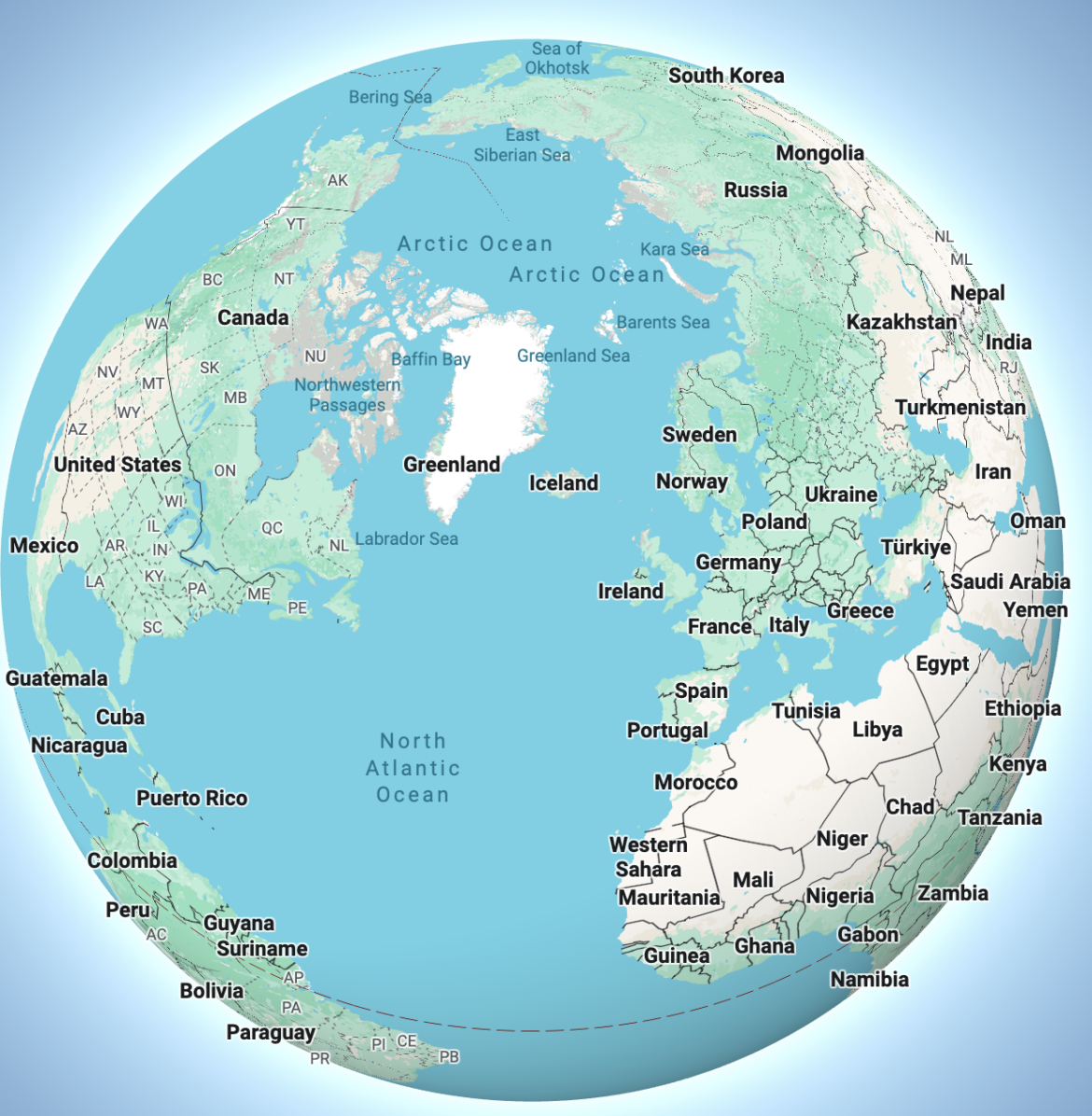
When you rotate the Google Earth application 90 degrees vertically instead of horizontally, the map above appears, clearly revealing why U.S. President Donald Trump set his sights on Greenland the very day after his military intervention in Venezuela. The area that looks like a sea in the center is the Arctic Ocean. It is covered
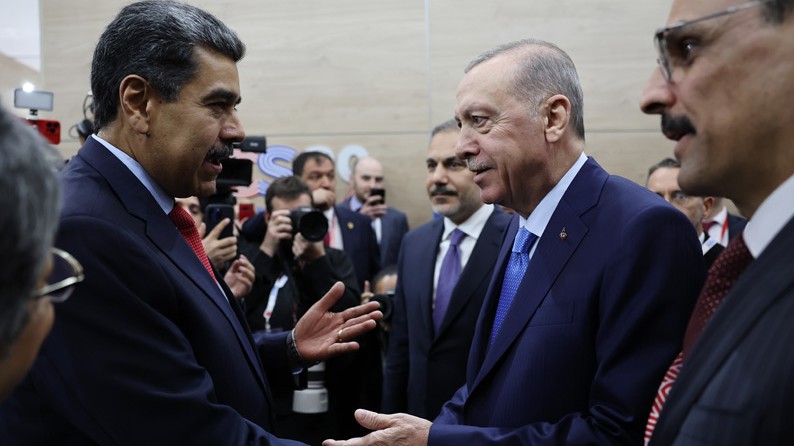
The reactions—both spoken and unspoken—of President Recep Tayyip Erdoğan and Türkiye’s ruling Justice and Development Party (AKP) following U.S. President Donald Trump’s abduction of Venezuelan President Nicolás Maduro reveal more than diplomatic caution. They point to deep unease in Ankara’s relations with Washington. Trump’s recent posture—issuing implicit threats to countries from Iran to Cuba, Colombia
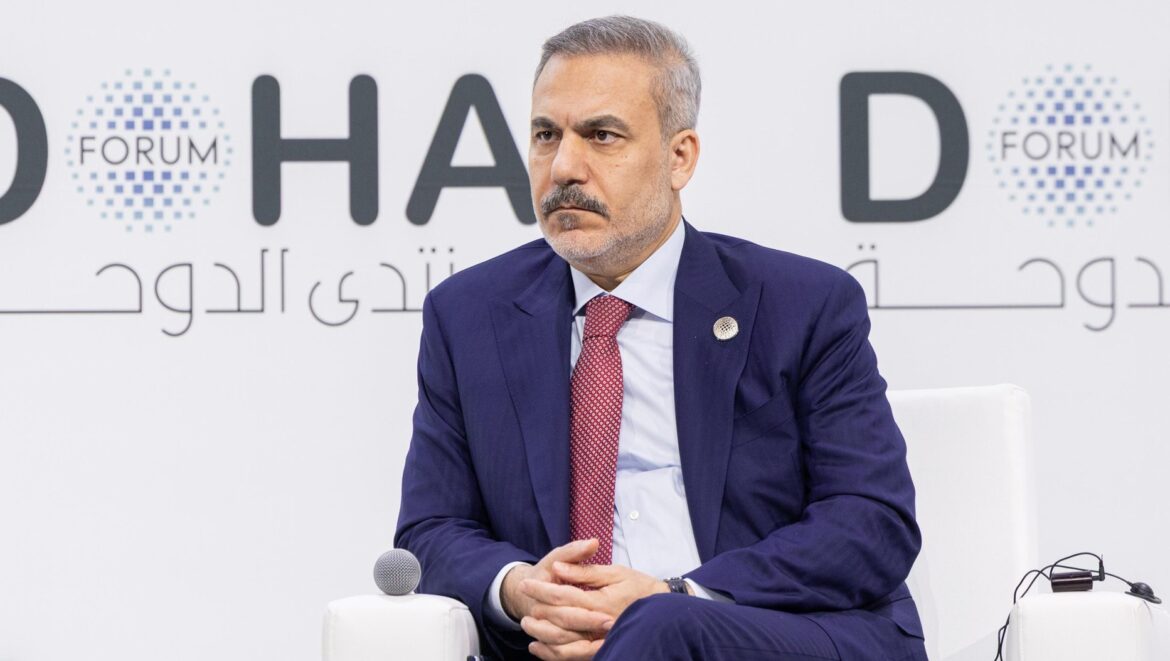
As Syria’s new regime completes its first year on Dec 8, Ankara has sent three warning messages—via the SDF to the PKK and to the SDF’s patron, the United States—indicating that “the wind may turn” if the current course continues: 1. Statements by Foreign Minister Hakan Fidan at the Doha Forum 2. Visits to Damascus
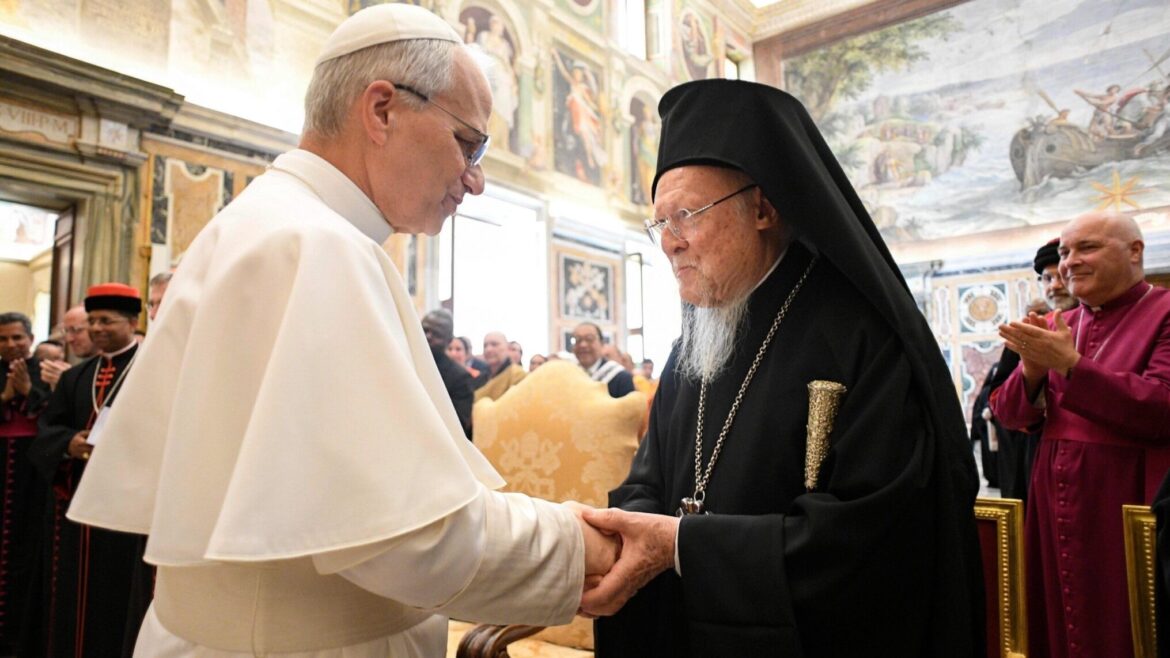
Pope Leo XIV, who will visit Türkiye between 27–30 November, carries two roles: one as the Head of the Vatican State, and the other as the Spiritual Leader of Catholic Christians. Ankara attaches importance to the fact that Pope Leo XIV is making his first official foreign trip to Türkiye and is pleased about it.
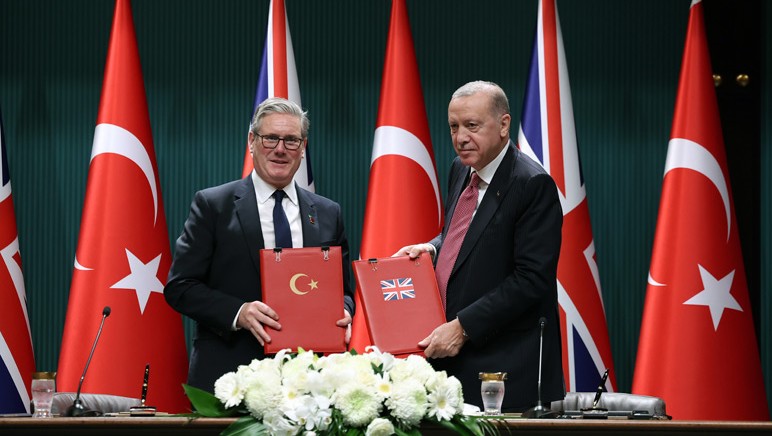
About ten years ago, caricatures of “Sultan Erdoğan” were popular in the Western European press. President Tayyip Erdoğan, who was trying to pull the Turkish Republic into the orbit of Russia and Iran with a neo-Ottoman and political Islamist policy, was seen as the antithesis of the West. The antipathy was so strong that, during


My generation learned about energy geopolitics through oil. We witnessed oil wars, embargoes, tanker crises, the political power of OPEC, and how the United States reshaped the world through energy. Then came natural gas. It was called a “transition fuel,” but it quickly turned into a new tool of strategic dependency. Today, however, we stand
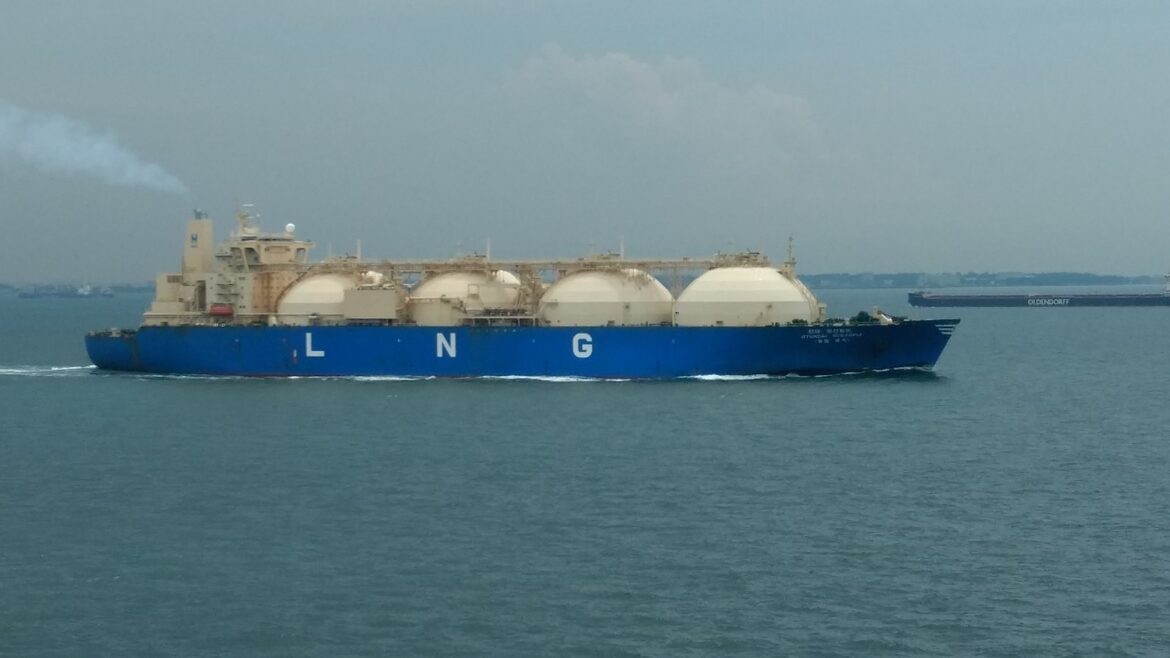
The 20-year Turkish-US deal signed in Washington on September 25 during Turkish President Tayyip Erdoğan’s meeting with US President Donald Trump marks a new chapter in energy and geopolitics balance. The agreement between BOTAŞ and US producers is more than a long-term supply contract; it is a clear signal of Türkiye’s determination to reduce dependence