
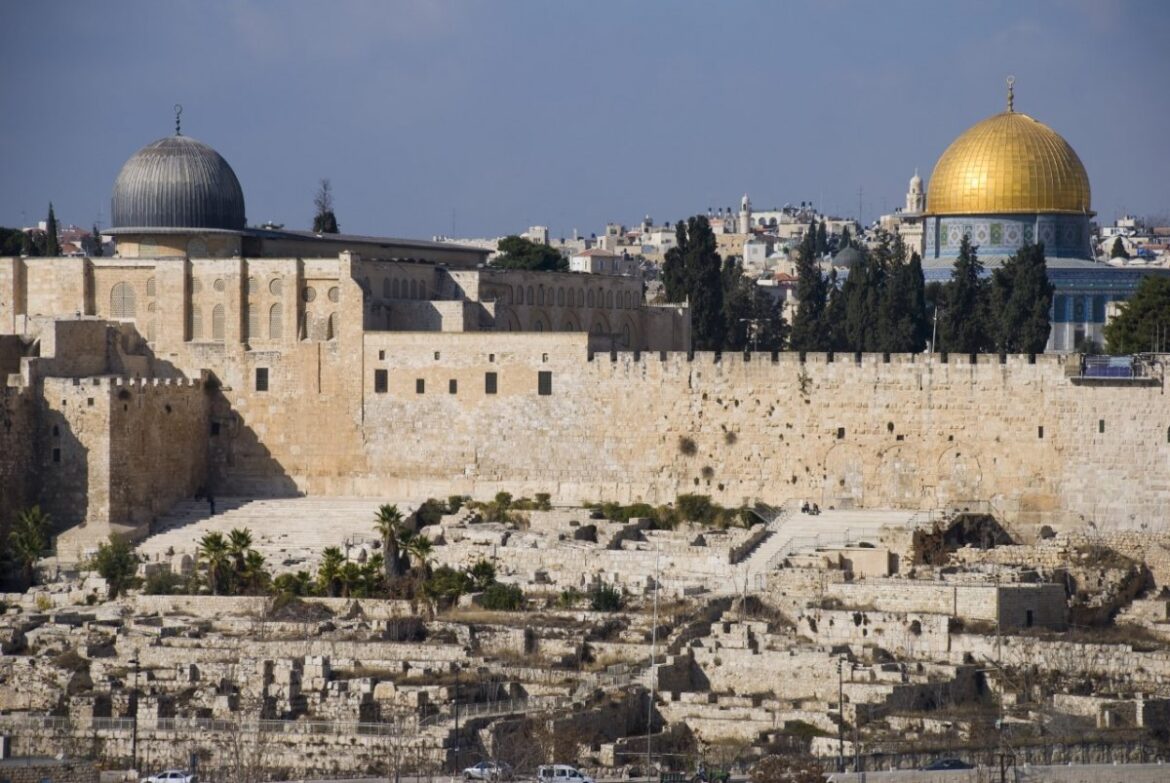

The Erdoğan–Netanyahu confrontation is no longer just a war of words. It reflects a deeper struggle shaped by the contested status of Jerusalem, energy rivalries in the Eastern Mediterranean, and U.S. unwavering support for Israel. The only way out lies in a hard-nosed approach to deterrence, balanced by sober diplomacy. From words to weapons For
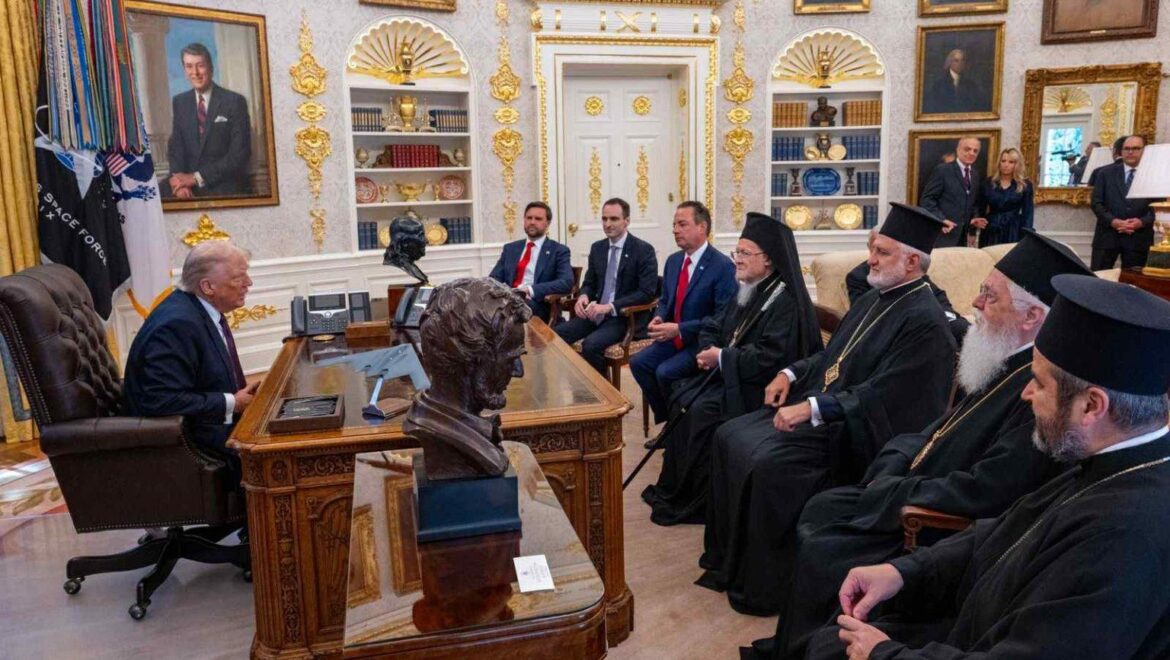

On September 15, while domestic attention in Türkiye was focused on the CHP’s “absolute nullity” case, U.S. President Donald Trump received Greek Orthodox Ecumenical Patriarch Bartholomew and his delegation at the White House. The Patriarch’s itinerary for September 16 included a breakfast at the Turkish Embassy, a luncheon at the Greek Embassy, and a dinner
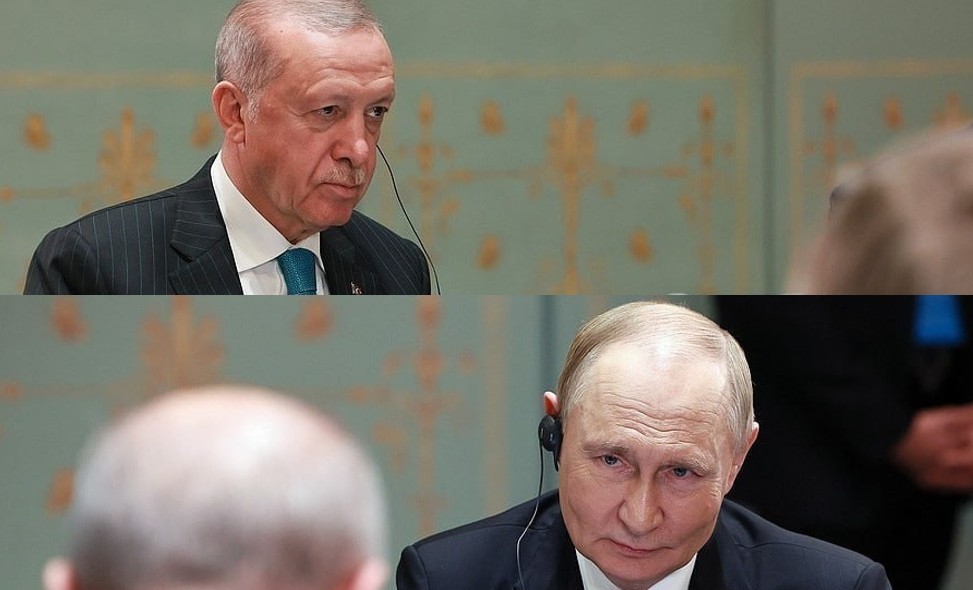
The photos taken during Erdoğan’s meeting with Putin at the Shanghai Summit reveal a lot about Turkey-Russia relations and, beyond that, East-West relations. (Photos: Russian Ministry of Foreign Affairs) I obtained the photos from the Russian Foreign Ministry’s Telegram page. They are from the meeting between President Tayyip Erdoğan and Russian President Vladimir Putin on
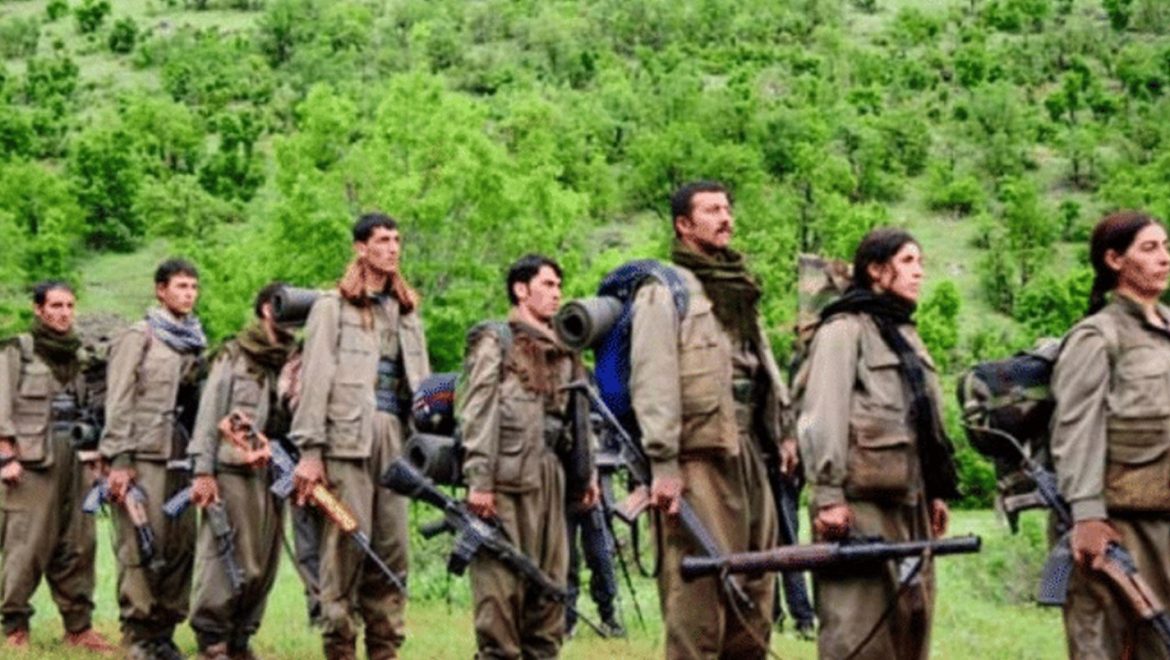

Türkiye’s ongoing peace process with the outlawed Kurdistan Workers’ Party (PKK) holds the potential to end one of the country’s most destructive conflicts of the past four decades. Yet a lasting settlement cannot be achieved in isolation. Unless the Kurdish question in northern Syria is addressed, any peace at home will remain fragile. Instability in
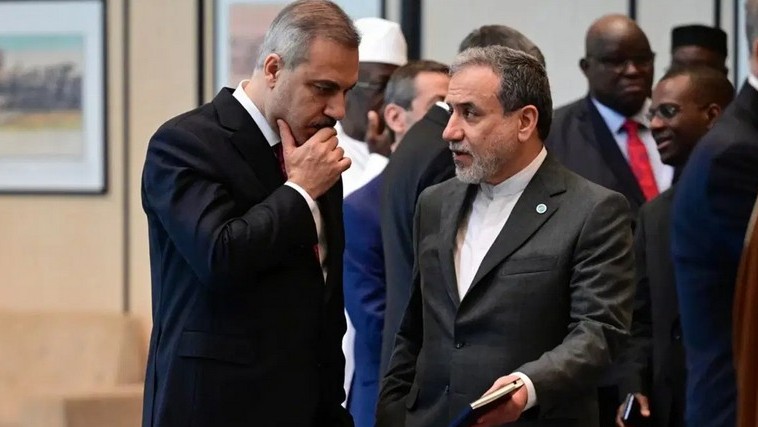

The Ukraine-Russia ceasefire and Iran-Europe nuclear talks are being hosted by Türkiye this week in Istanbul, with a two-day interval between them. The Ukrainian and Russian delegations will hold their third round of talks this year on Wednesday, July 23, in İstanbul. The discussions will focus on ceasefire conditions, but the likelihood of reaching an
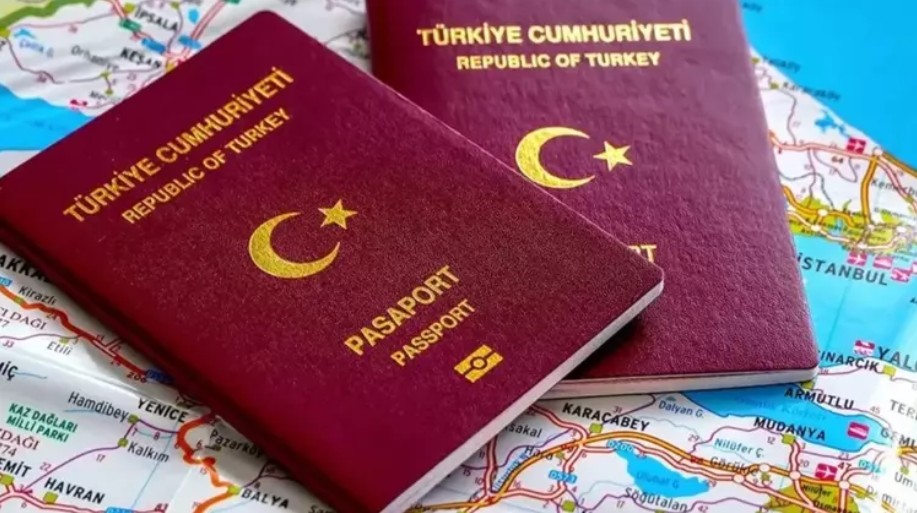
Turks, who have turned their faces towards the West for decades, have been facing visa restrictions for nearly fifty years. Almost everyone has a positive or negative visa story to tell. As the difficulties reached their peak, the European Union took a step forward. The EU’s decision last week to adopt a more positive approach
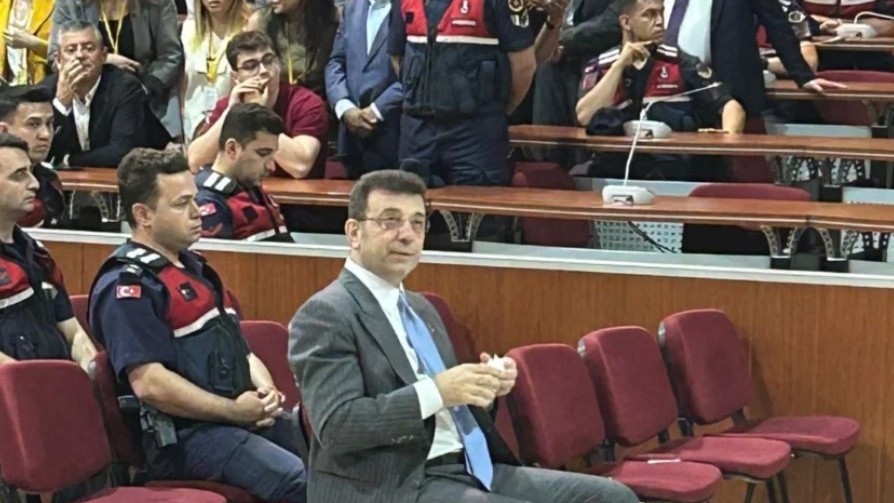
In Turkish politics, the threat of imprisonment has reached CHP leader Özgür Özel. Presidential decrees have been sent to the Turkish Grand National Assembly (TBMM) to lift the parliamentary immunity of Özel and CHP İzmir MP Tuncay Özkan for trial. The reason is their accusation of the Court of Appeals members of staging a “coup
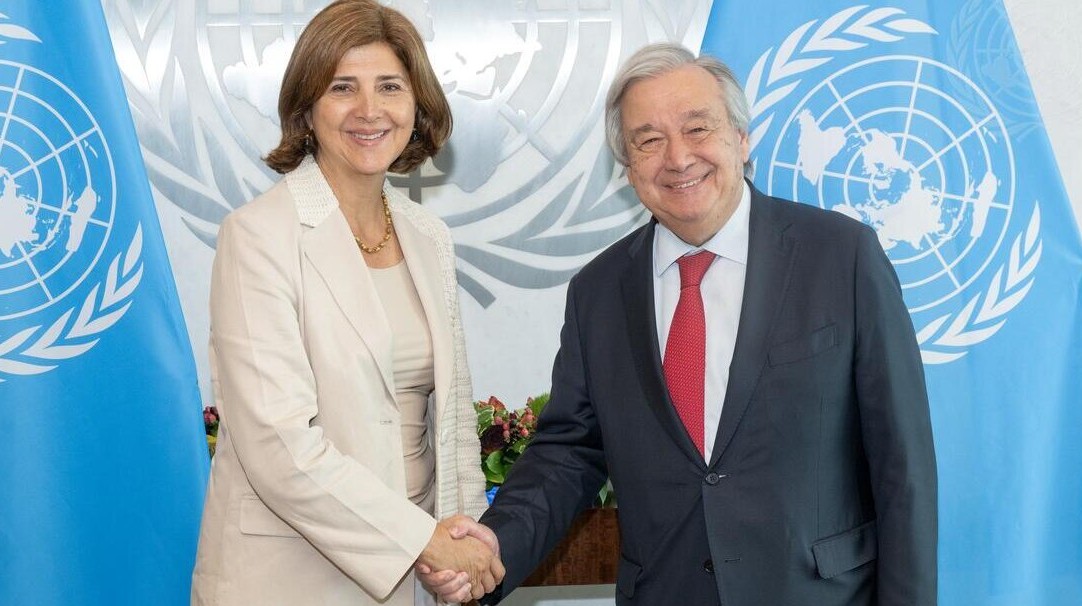

The Cyprus issue has remained stuck in conceptual traps for decades, unable to move beyond being a diplomatic headline. Concepts such as “two-zone, two-community federation,” “two sovereign states,” and “confederation” have become not the solution itself but the terminological cloak of the lack of a solution. Today, the issue is no longer “how to name


In the theater of Middle East geopolitics, a U.S. strike is rarely just a regional act — it’s a signal to markets, rivals, and allies alike that the temperature just went up. But let’s be clear: this wasn’t a bold initiative from Donald Trump. It was, somewhat predictably, the next act in a script sketched
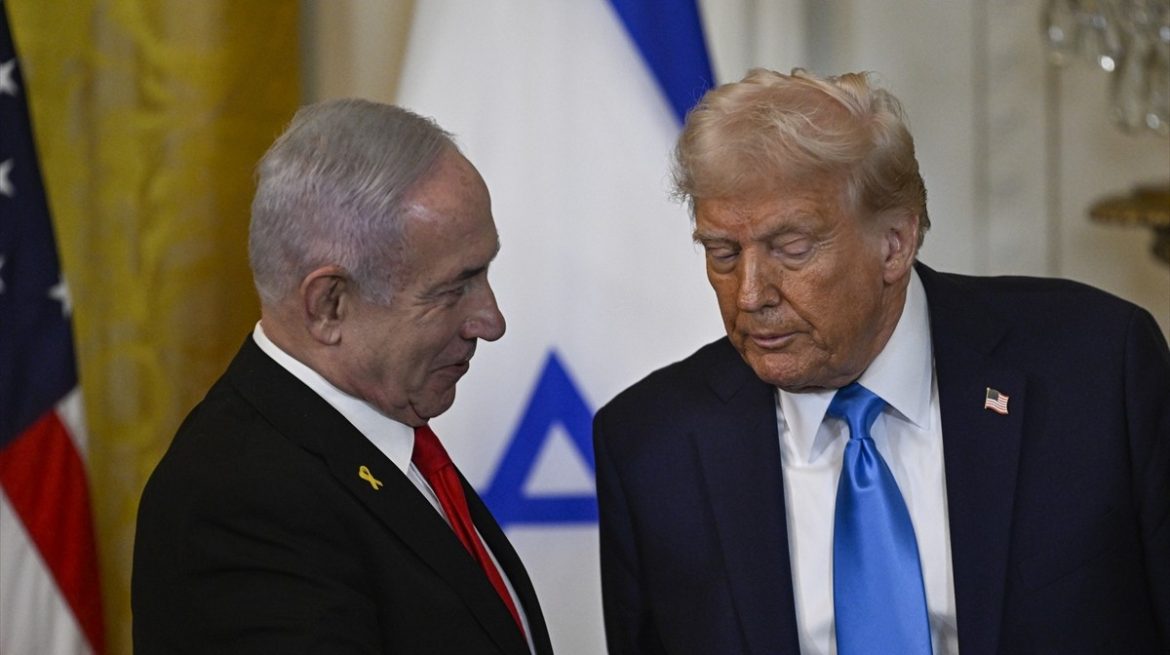
At times, history compresses into weeks, and some rare nights carry the burden of decades. June 13 might just have been one of those nights. That’s when Israel struck Iran in a bold, chilling, and calculated move. Missiles flew, tensions spiked, and the post-post-Cold War order shuddered. But beneath the noise, five brutal and illuminating