
The London Energy Club - Chair


As tensions surrounding Iran escalate, Washington and Tel Aviv appear to be placing every possible lever on the table — including the potential use of Kurdish forces as a strategic pressure point against Tehran. At precisely this moment, a striking message emerged from within Kurdish political circles themselves: “Leave the Kurds alone. We are not
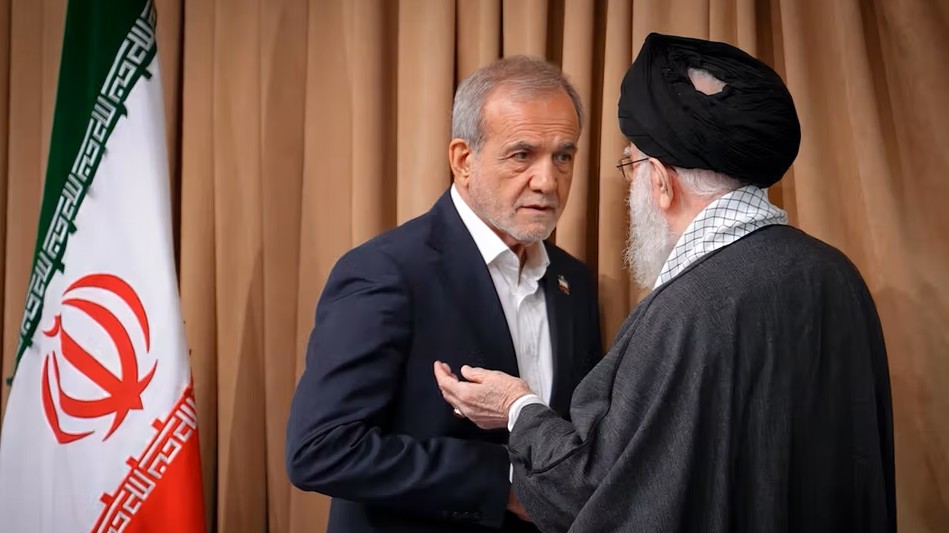
Geopolitical analysis of the US–Iran crisis typically rests on cold calculations of power: air defence systems, missile ranges, sanctions packages, aircraft carriers. Yet occasionally it is more instructive to step deliberately one degree away from realism and ask: what if? Alternative scenarios can illuminate exits from deadlocked equations. Recall that when China brokered diplomatic normalisation
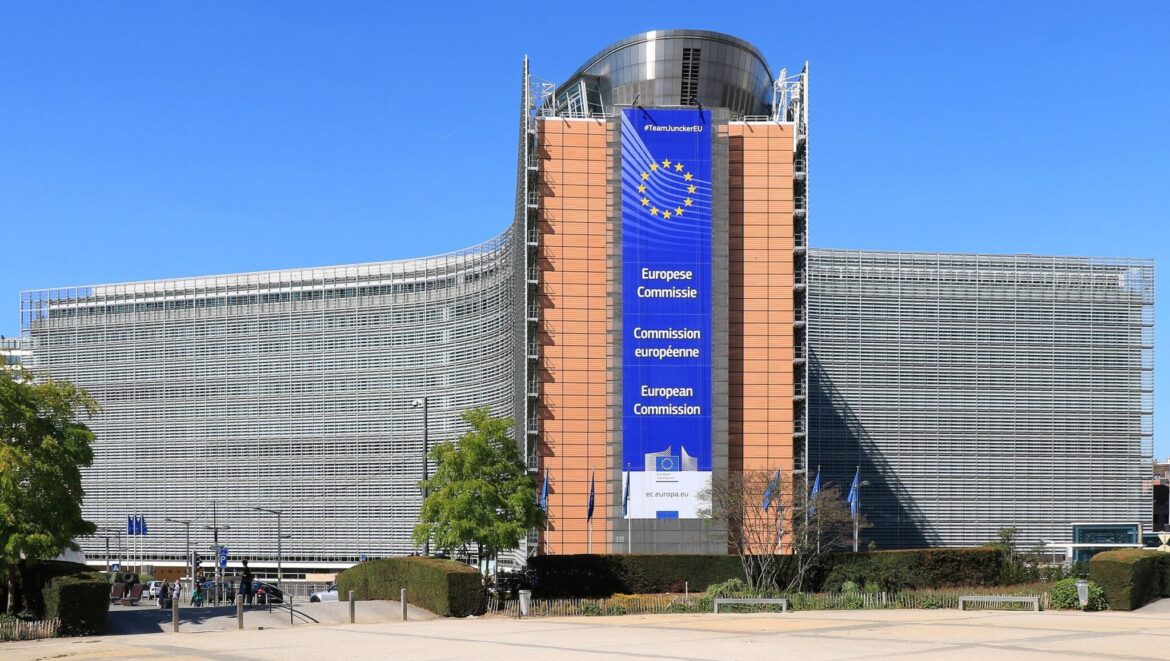
The longer version of the headline is straightforward: Why are letters addressed to Brussels no longer effective—and why does the European Union need a new story with Türkiye? When I first came across the open letter prepared by the Turkish business community through DEİK and published on 31 January as a paid announcement in the
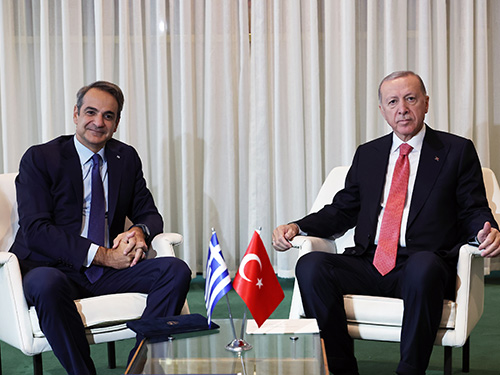
The most perilous moments are not when harsh words are exchanged, but when silence lingers. In international politics, vacuums do not remain empty. They are filled by the other side’s confidence, incremental moves, and faits accomplis that, over time, harden into a new reality. This is precisely the threshold the Aegean now stands upon. As

Türkiye and Israel are weathering one of the most acrimonious periods in their modern diplomatic history. The humanitarian catastrophe in Gaza, Israel’s increasingly assertive posture in Syria, its strategic alignment with Greece and the Greek Cypriot administration, and the heightened pressure from influential segments of the US Jewish lobby on Ankara have all contributed to
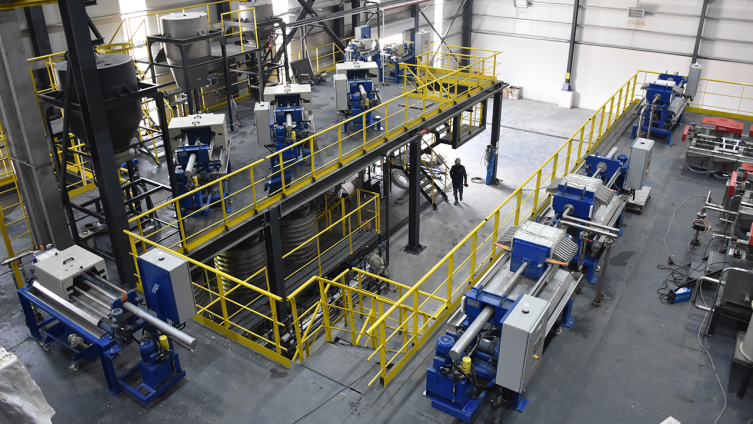
My generation learned about energy geopolitics through oil. We witnessed oil wars, embargoes, tanker crises, the political power of OPEC, and how the United States reshaped the world through energy. Then came natural gas. It was called a “transition fuel,” but it quickly turned into a new tool of strategic dependency. Today, however, we stand
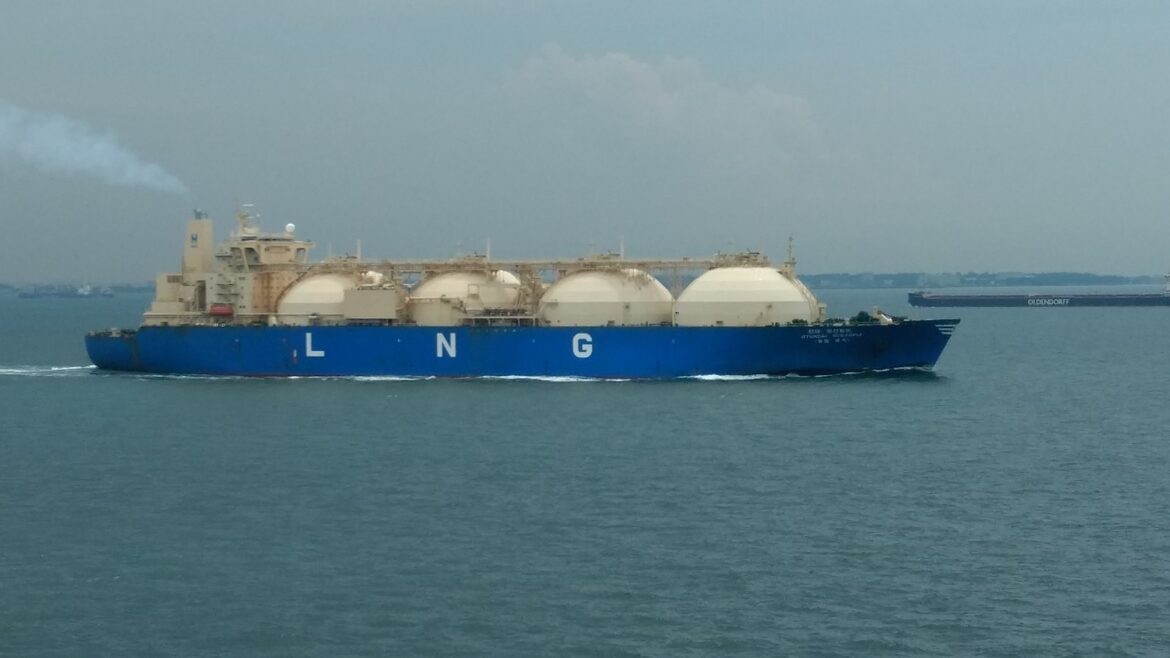
The 20-year Turkish-US deal signed in Washington on September 25 during Turkish President Tayyip Erdoğan’s meeting with US President Donald Trump marks a new chapter in energy and geopolitics balance. The agreement between BOTAŞ and US producers is more than a long-term supply contract; it is a clear signal of Türkiye’s determination to reduce dependence
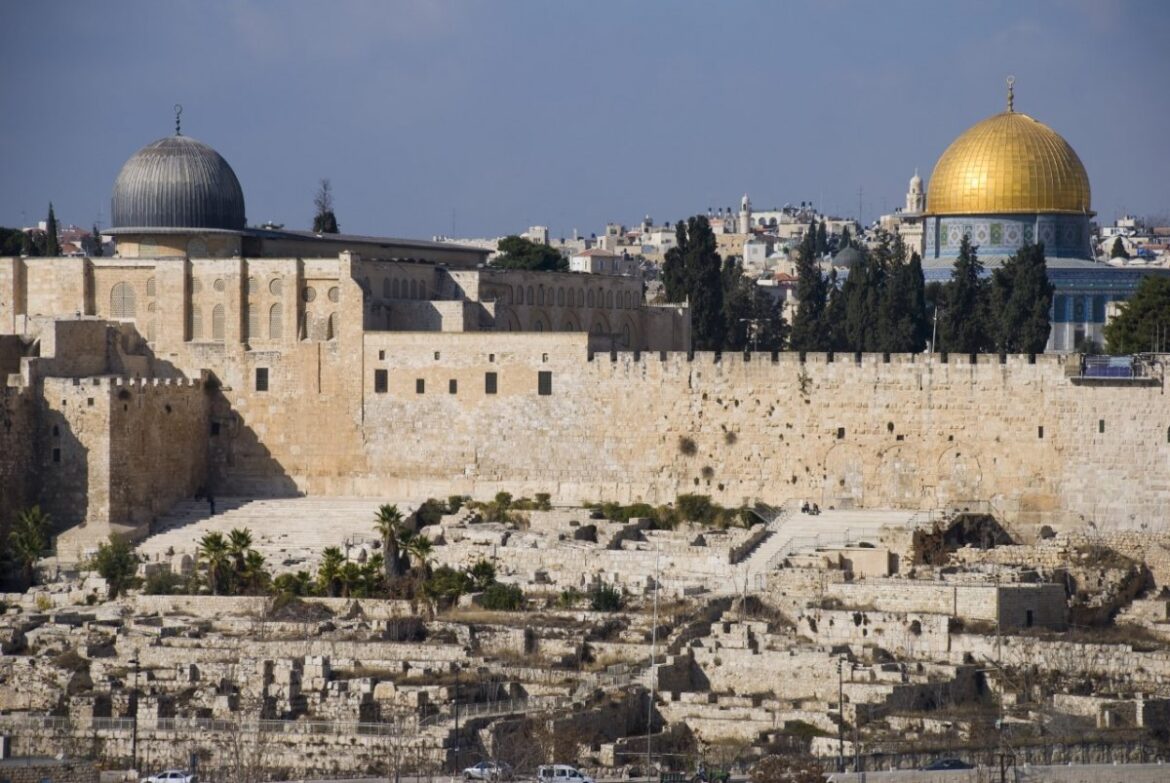
The Erdoğan–Netanyahu confrontation is no longer just a war of words. It reflects a deeper struggle shaped by the contested status of Jerusalem, energy rivalries in the Eastern Mediterranean, and U.S. unwavering support for Israel. The only way out lies in a hard-nosed approach to deterrence, balanced by sober diplomacy. From words to weapons For
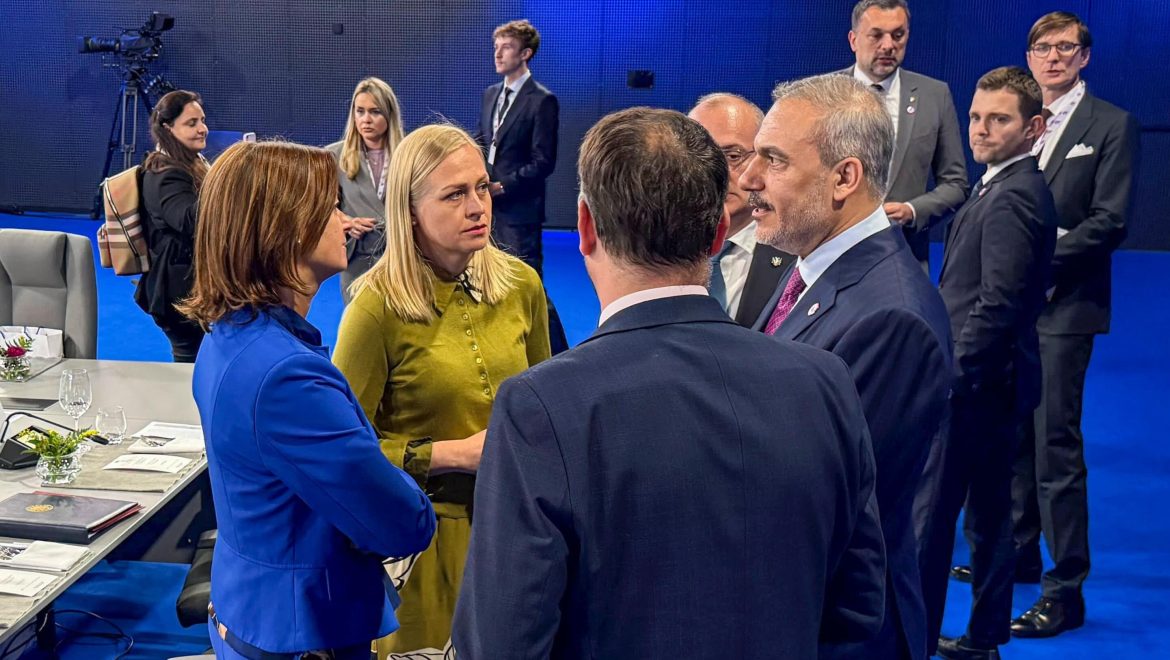
In geopolitics, power is no longer measured solely by having a seat at the table, but by one’s ability to disrupt it if excluded. Today, Türkiye is demonstrating precisely that: an increasingly agile power whose influence cannot be ignored, even when it is not formally included. Some nations are invited to shape the game. Others
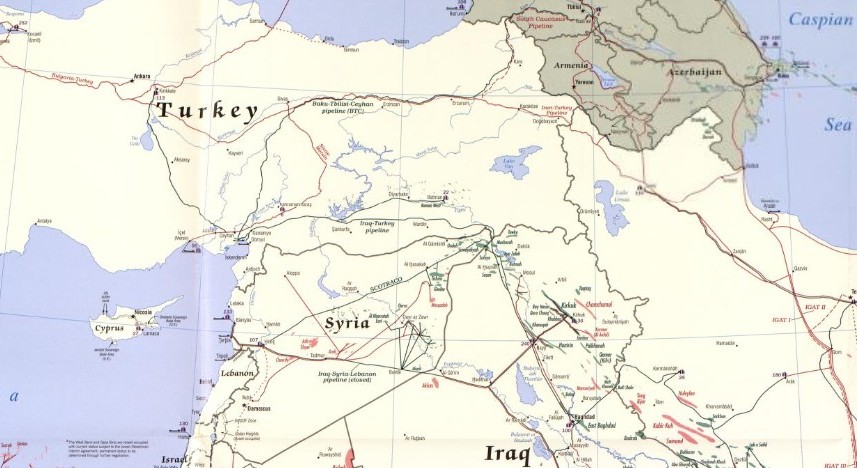
The energy map of the Middle East may be redrawn with the revival of the Kirkuk–Baniyas oil pipeline—a move that could sideline Türkiye. Iraq’s decision to bring back to life the pipeline connecting Kirkuk with Syria’s Mediterranean port city of Baniyas is not merely an infrastructure investment; it’s a strategic maneuver capable of shifting the