
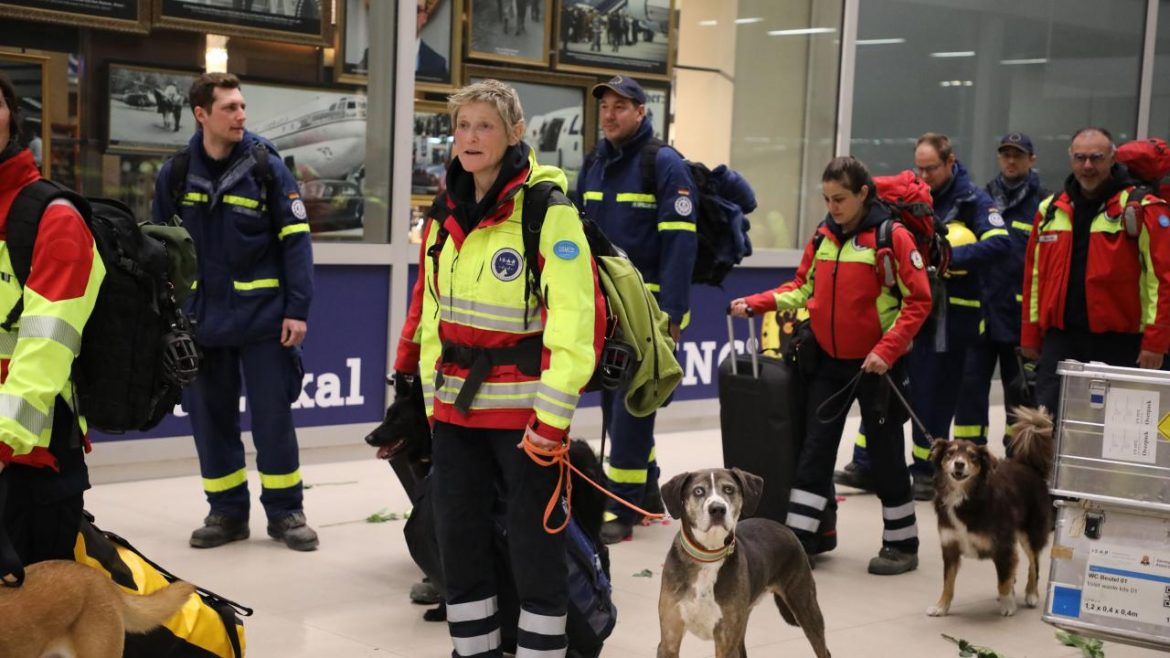

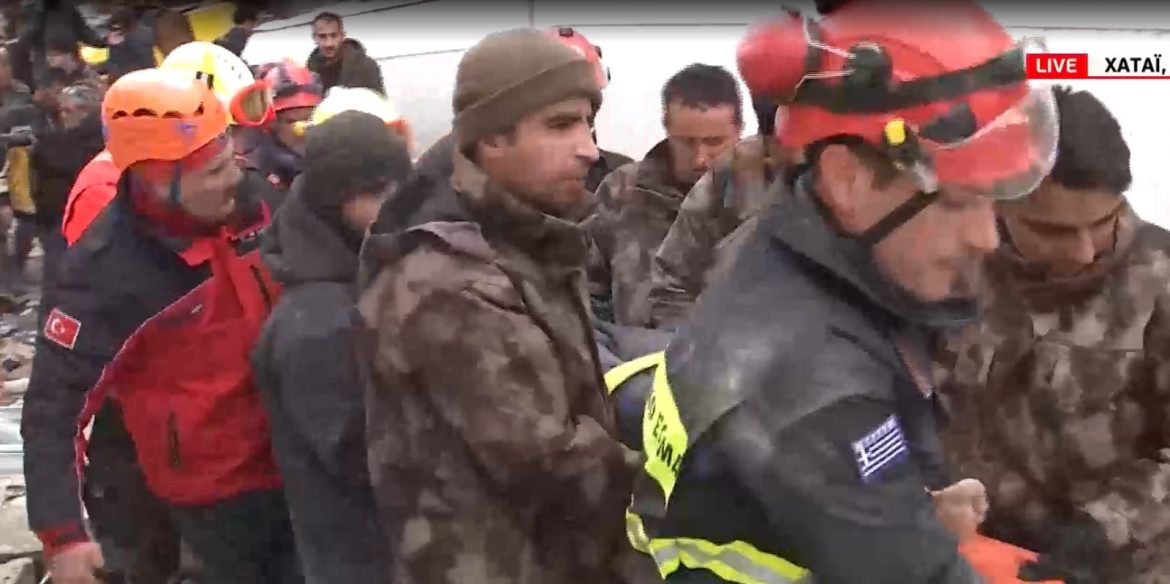
The search and rescue operations following the earthquakes, which is said to be the biggest natural disaster that Anatolia has experienced in the last two thousand years, have come to an end. On the 11th day of the earthquake, Mehmet Ali Şakiroğlu and Mustafa Avcı were the last victims to be rescued in Antakya after
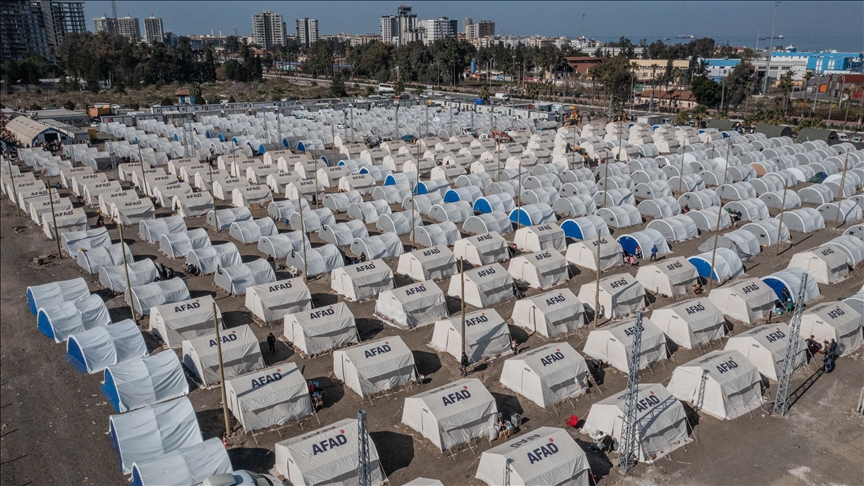

Entering the second week after the two major earthquakes and thousands of aftershocks that devastated Türkiye and Syria, the death toll continues to rise amid a few reports on “miracle rescue” of victims taken out of the rubble defying the limits of the human body. Türkiye’s emergency and disaster authority, AFAD, announced on February 18
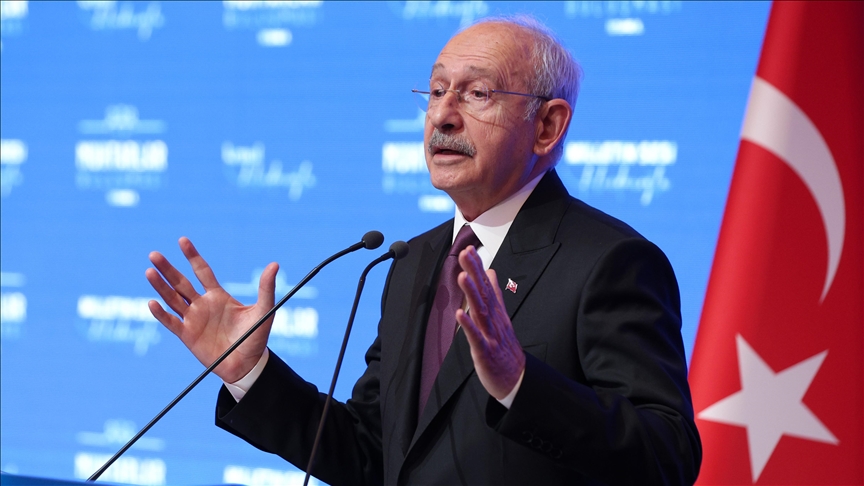

In the aftermath of the devastating earthquakes that have shaken Türkiye and Syria into ruins, Turkish politics have embroiled in discussions about the possibility of postponement of the critical 2023 elections that is scheduled for June 18. Main opposition Republican People’s Party (CHP) leader Kemal Kılıçdaroğlu accused President Recep Tayyip Erdoğan’s Justice and Development Party
Since Monday morning, Turkey has been struggling with the biggest disaster in its recent history. On February 6, we were hit by two major earthquakes, one of 7.7 and the other of 7.6 magnitudes. The number of provinces devastated by the earthquake centered in Kahramanmaraş is 10, and the number of people affected is 13.5
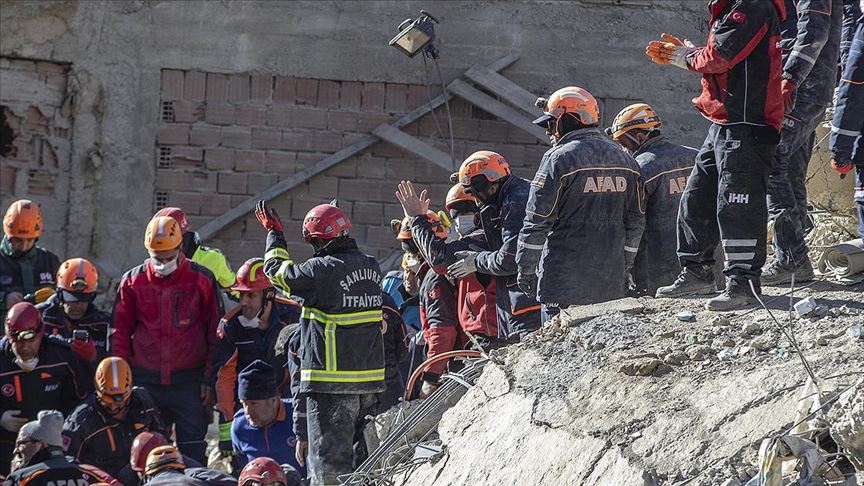
It turns out that the first night of the Kahramanmaraş double earthquake in Türkiye on February 6 was very difficult for the earthquake victims who received no or insufficient aid and this situation. It is an uphill struggle against time and freezing cold. By lunchtime February 7, more than 3482 people died (7108 as of
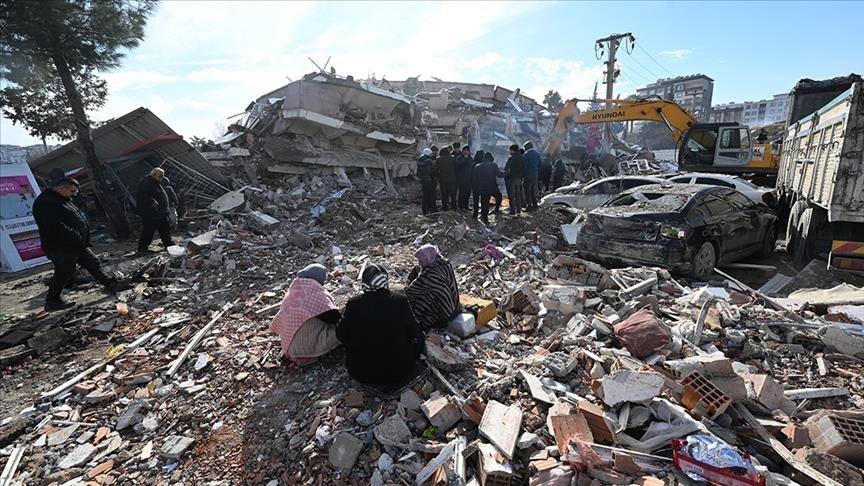
Following the two major earthquakes of 7.7 and 7.6 magnitudes that caused severe destruction in Türkiye and Syria, the death toll continues to rise. According to Türkiye’s disaster management authority, AFAD’s latest statement 18,342 people died, 74,242 people injured as of February 10 at 8:30 (GMT+3). 75,780 people were transfered from the earthquake-stricken provinces to other

The most striking aspect of the Common Policies Consensus Document (CPCD) announced by the opposition parties’ Table of Six on January 30, 2023, is perhaps the fact that “law, justice and judiciary” ranked first, “public administration” second and “anti-corruption, transparency and audit” third in the list of common policies. This shows that the six leaders,

Türkiye’s opposition alliance that is called Nation Alliance (The Table of Six) announced the Common Policies’ Consensus Text on Monday, January 30, 2023. The 244-page text composed on 9 different sections detailing the opposition alliance’s future program if they would win the upcoming election. This article will focus on the Economy, Finance, and Employment section.
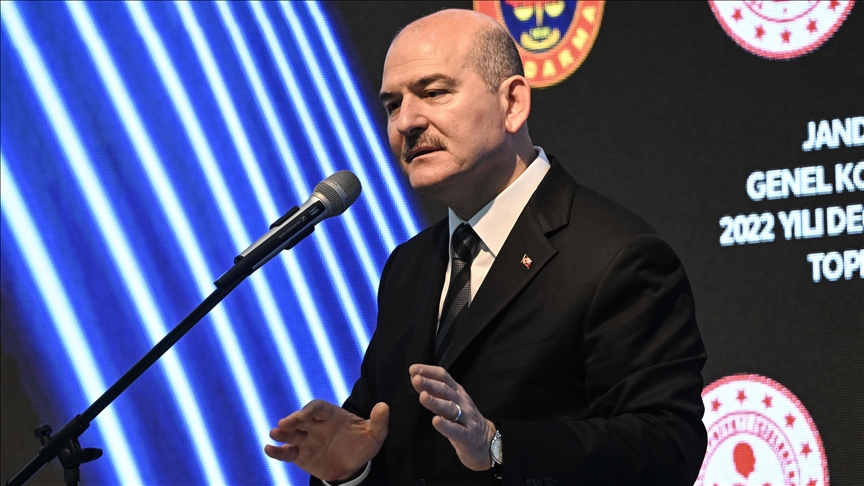
Turkish Interior Minister Süleyman Soylu said that the recent decision of several western countries to close their consulates as a precaution against a possible terror attack, aims at “starting a new psychological warfare in Türkiye,” adding that “it is an international operation against Türkiye.” “The ambassadors who wanted to carry out a legal operation against
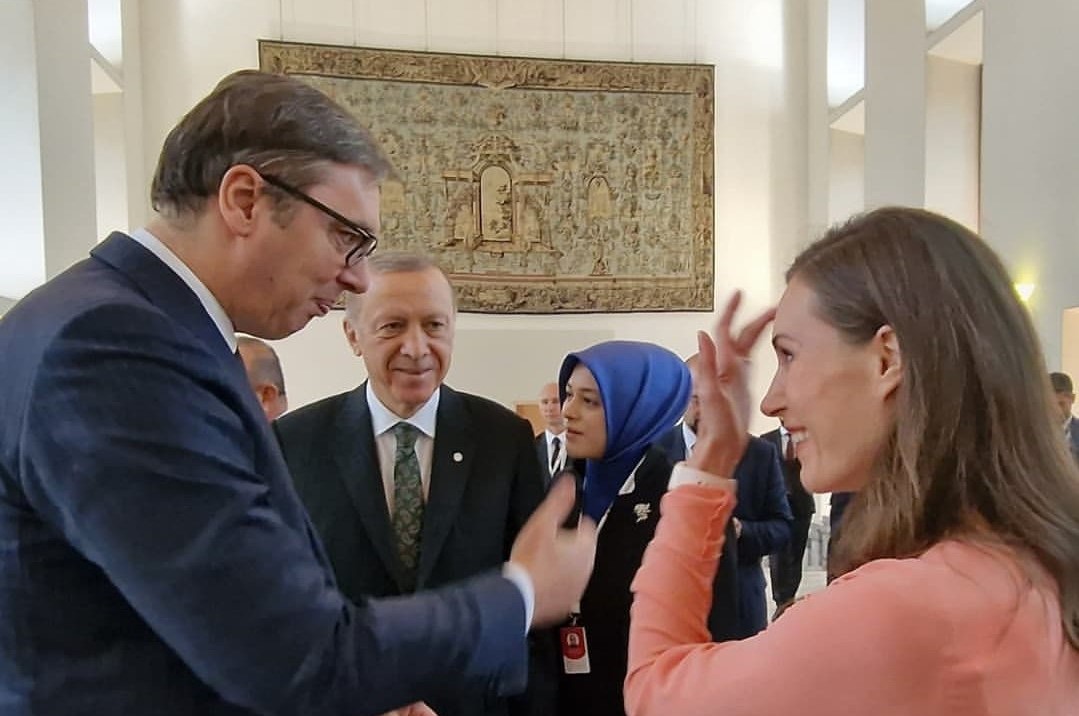
I asked Portuguese Foreign Minister João Gomez Cravinho, whom I met with a small group of journalists after his visit to Turkish Foreign Minister Mevlüt Cavuşoğlu in Ankara, how would Portugal react if Türkiye approved only Finland’s NATO application and not Sweden’s, even though they applied together? The question is meaningful because decisions in NATO