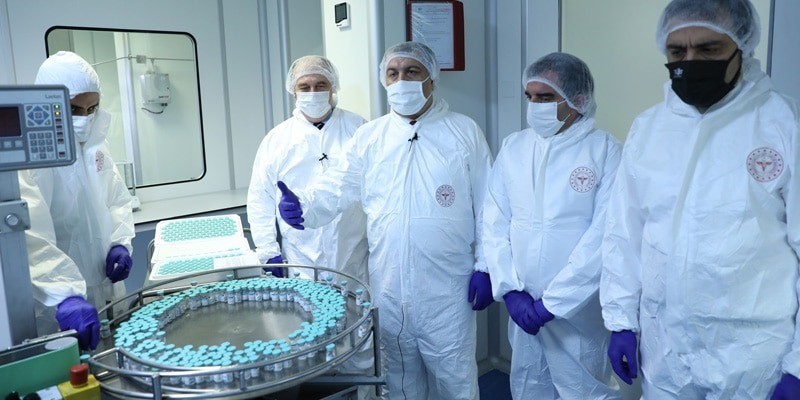

The Covid 19 Omicron wave shakes the world, especially Europe. Although Christmas and New Year celebrations in Europe are one of the most important events for both individuals and businesses, many countries have taken strict measures. On Friday, the head of the World Health Organization, who has been diligent in respecting member states’ sovereign rights
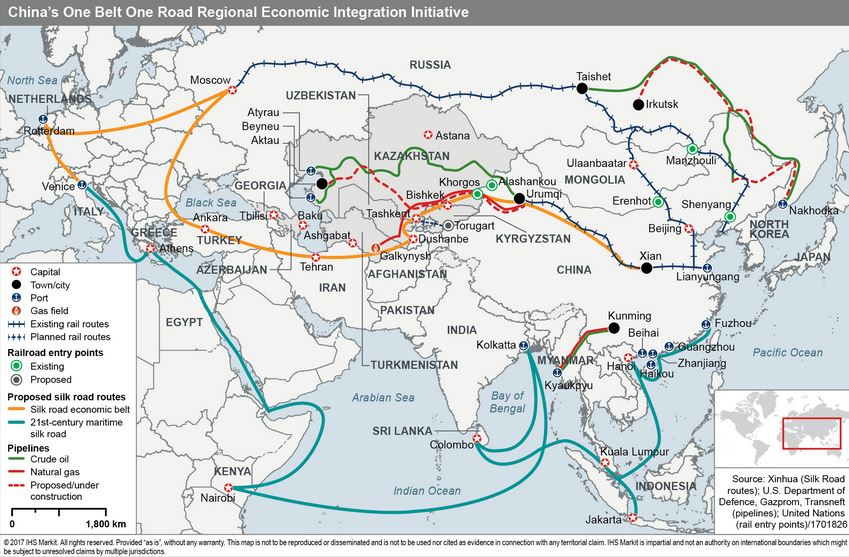

Following the Protocols signed in 2009 to normalise relations between Turkey and Armenia, Turkey took the initiative as of 2010 to implement a holistic cooperative project, which aimed at supporting regional ties in the South Caucasus through economic-commercial means reacting effects on a regional as well as global scale. This holistic project was designed to

Jeffrey Feltman, the US Special Representative for the Horn of Africa, was in Ankara on December 15. In those days, the out-of-control exchange rates were Turkey’s sole attention centre. President Recep Tayyip Erdoğan was preparing for the financial operation, to be declared on December 20, on the one hand, and the Turkey-Africa Partnership Summit scheduled

Turkish foreign policy has gone through a dramatic change in the past decade under Justice and Development Party (AKP) rule, long before Turkey’s transition to the presidential system after the constitutional amendment come into effect with a referendum in 2017. From the first day of its coming to power in 2002 until today, the ruling
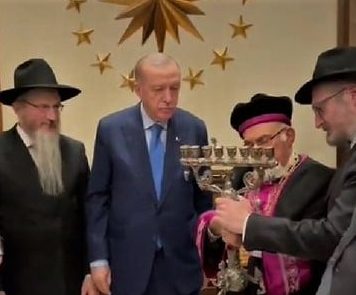
President Erdoğan hosted the members of the Turkish Jewish Community and the representatives of the Alliance of Rabbis in the Islamic States (ARIS) under the chairmanship of Izak Haleva, the Chief Rabbi of Turkey. He emphasized the importance of Turkey – Israel relations. “Turkey-Israel relations are vital for the stability and security of our region.
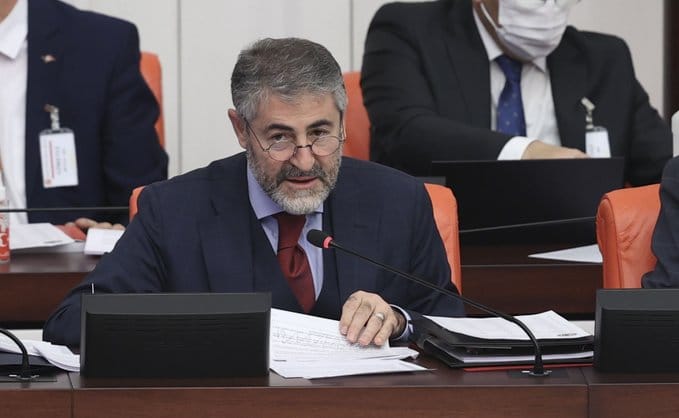

Turkish Ministry of Treasury and Finance Minister Nureddin Nebati detailed the fiscal moves announced by President Tayyip Erdoğan on December 20, which aimed to take recent fluctuations of the Turkish Lira under control with a new system. The positive side of the new system is as follows: The announced decisions have prevented the out-of-control increases

Turkey’s President Recep Tayyip Erdoğan announced ambitious “fiscal policy” moves on December 20 to curb the currency crisis wherein less than a month, the Turkish Lira had lost almost 20 percent of its value against foreign currencies. Could this new turn be a sign of ruling Justice and Development Party (AKP) and its alliance Nationalist

The ruling Justice and Development Party’s (AKP) insistence on keeping interest rates low, despite high inflation and depreciation in TL, and its introduction of risky financial instruments such as “foreign-currency protected TL deposits” simply to avoid interest rates raises curiosity among observers of Turkish politics. Students of Turkish politics seek answers to why the ruling
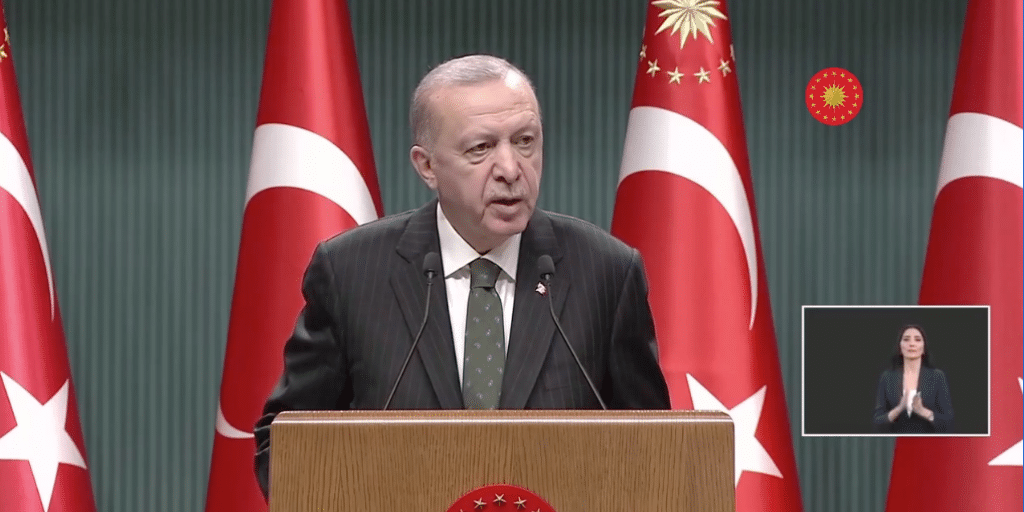
Turkey’s President Tayyip Erdoğan unveiled new fiscal policy tools to be implemented to overcome the recent currency crisis and further boost export-led economic growth, emphasizing that “Turkey will not drift apart from the free-market economy.” “Turkey has neither the intention nor the need to take the slightest step back from the free market economy and
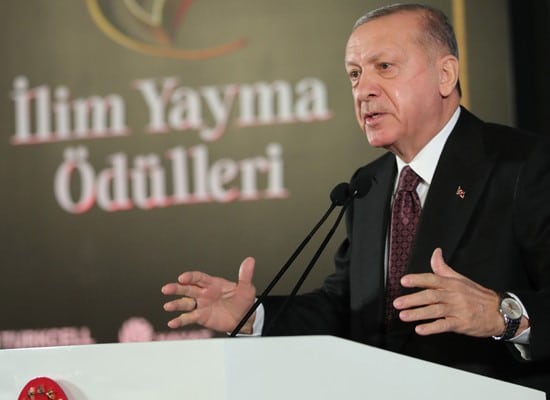
Turkey’s economy was on the verge of a critical turn even before President Tayyip Erdoğan treated Turkey’s Industry and Business Association’s (TÜSİAD) public announcement against the ruling Justice and Development Party’s (AKP) policies as a declaration of war. After TÜSİAD defined the recent monetary move to cut policy rates as “wrong” and urged the government