
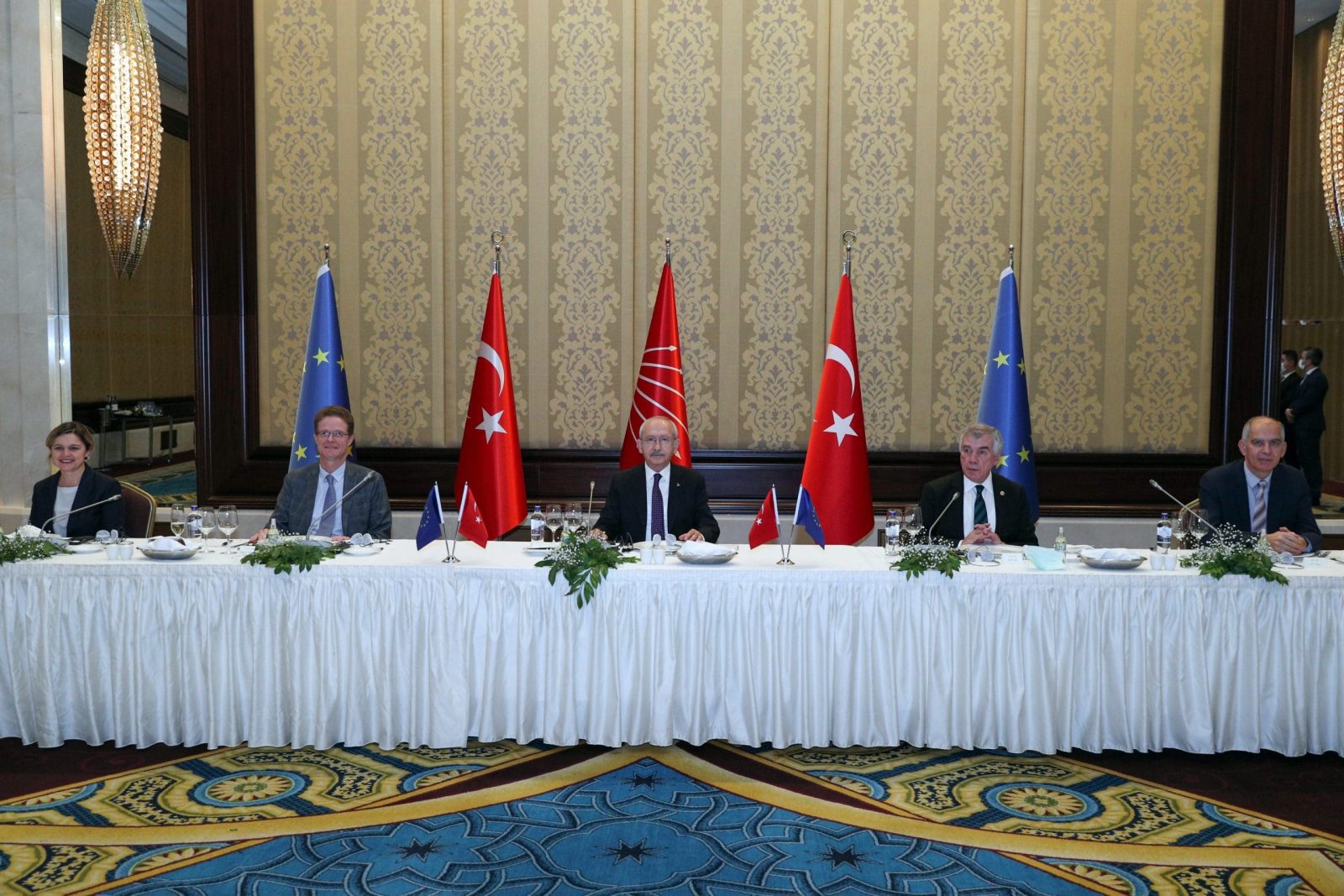

“Can I ask you a question,” the main opposition Republican People’s Party (CHP) Kemal Kılıçdaroğlu asked the Ambassadors of European Union (EU) countries in Ankara. Without making an opening speech, he received questions from the ambassadors and answered their questions at the exclusive dinner meeting on January 19. When he received a positive response to
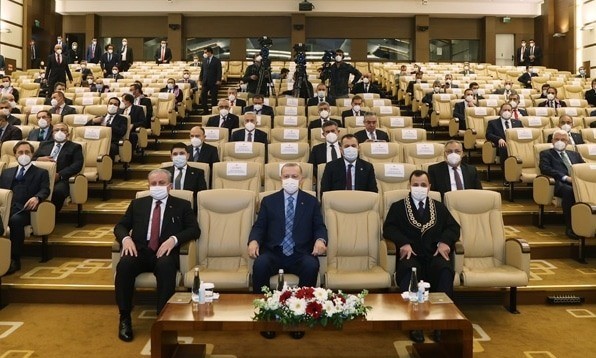
When I say government, I do not mean just Justice and Development Party (AKP), ruling the country solely since 2002. However, it is a known fact that President Tayyip Erdoğan owes his presidency to Nationalist Movement Party (MHP) leader Devlet Bahçeli who supported the ruling party by forming the “People’s Alliance”. The nationalist party has
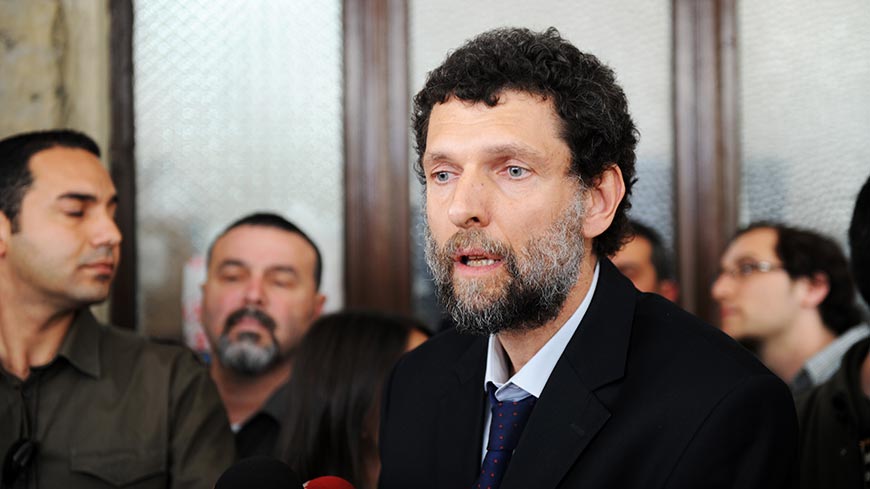

The Istanbul court ruled philanthropist Osman Kavala’s four-year-long pre-trial detention to continue, despite Eruopean Court of Human Rights (ECtHR) previous rulings for his release and Committee of Ministers of the Council of Europe’s decision to initiate infringement process if Turkey would not comply with the court’s decision. Istanbul 13th Criminal Court ruled for the extension
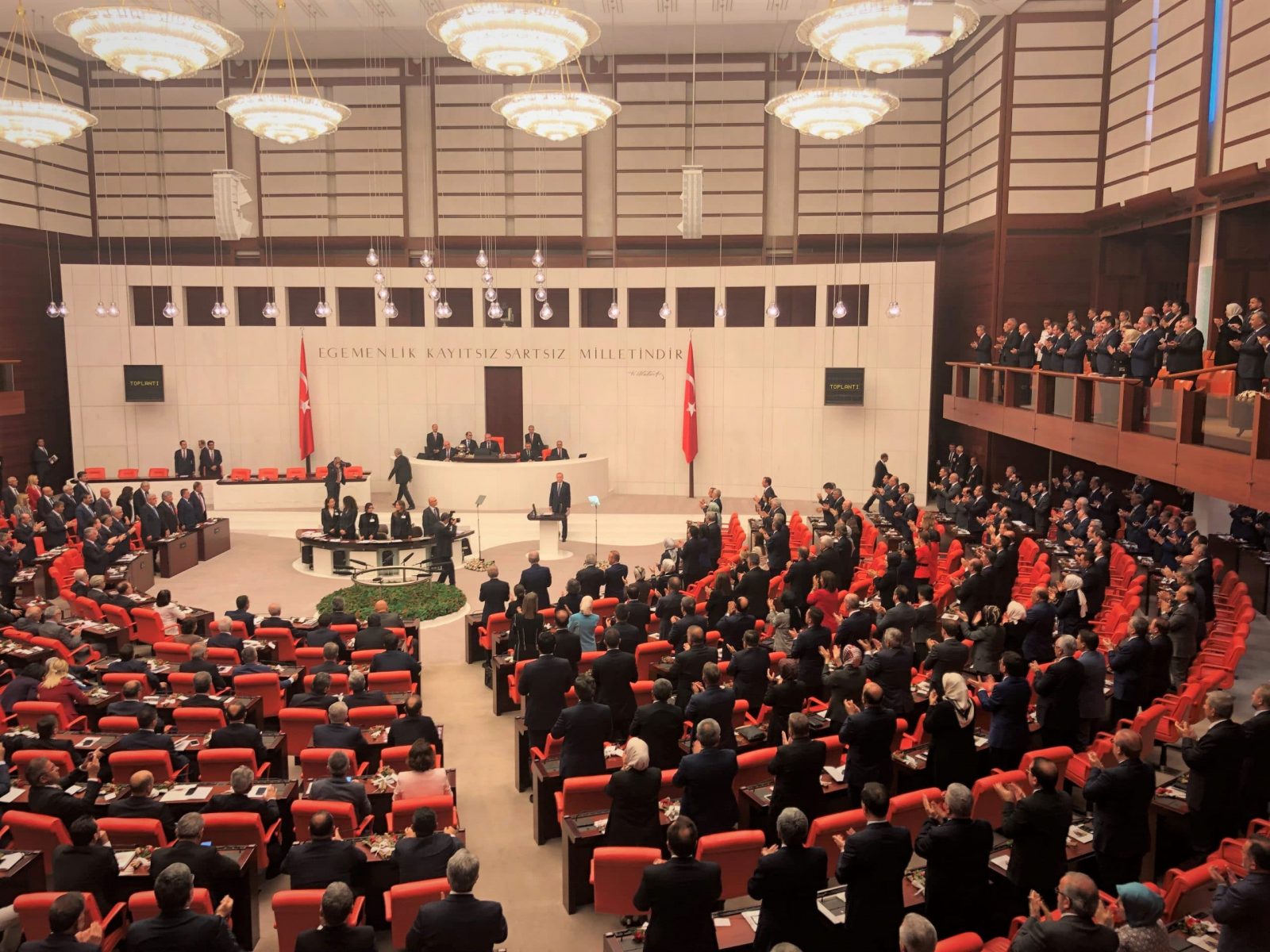
According to reliable sources, the plans of the ruling Justice and Development Party (AKP) and Nationalist Movement Party (MHP) of the “People’s Alliance” for constitutional amedment for changes in election procedures before the presidential election are actually shelved. The election law amendment, which is on the agenda of both President Recep Tayyip Erdoğan and MHP
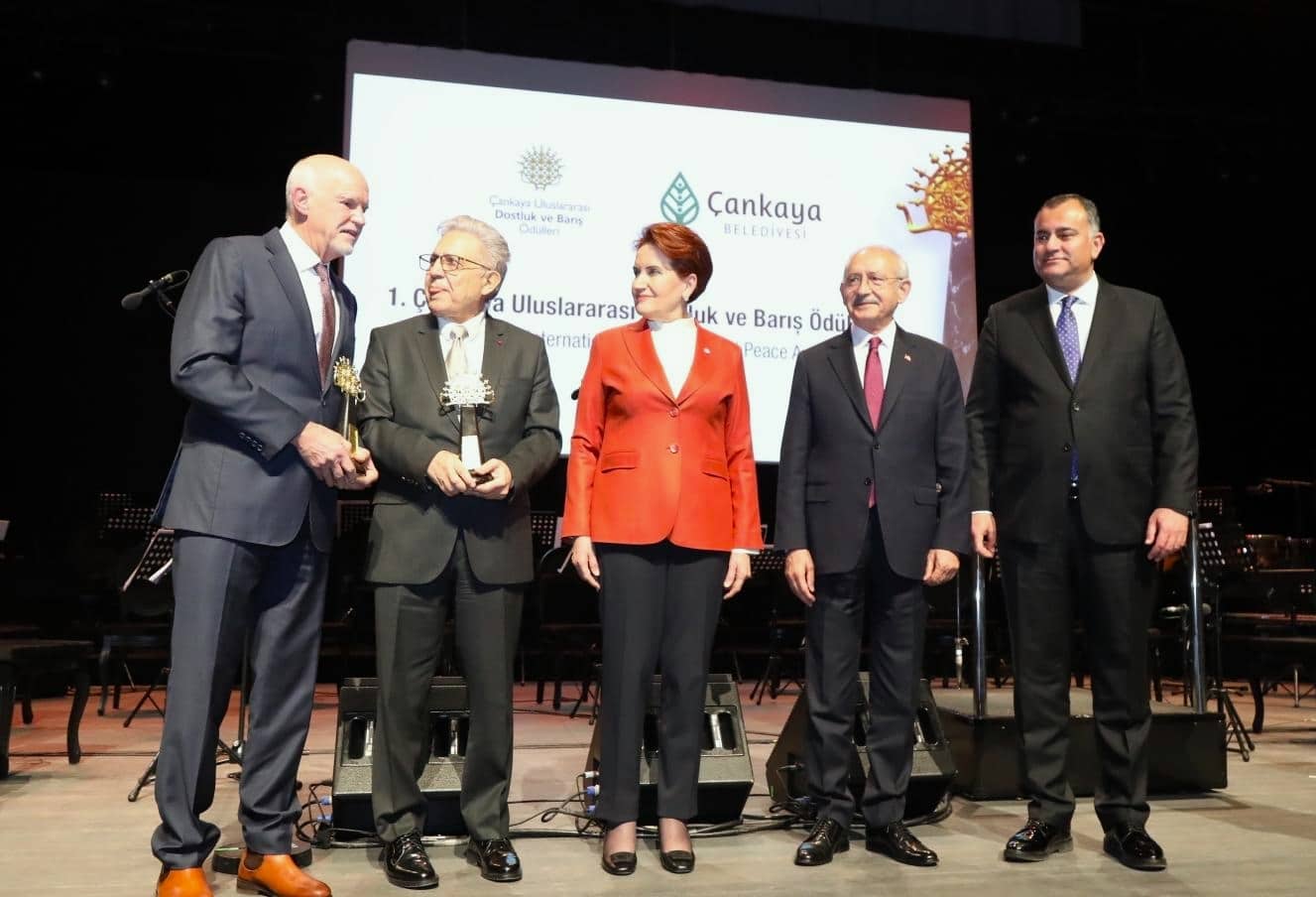
The photo you see above is the kind that tells a lot than pages of explanation. But maybe some interpretation would work for a better understanding. The photo was taken at the Ata concert and event hall of the Turkish Education Association (TED) in Ankara on January 15. It was the Çankaya International Peace and
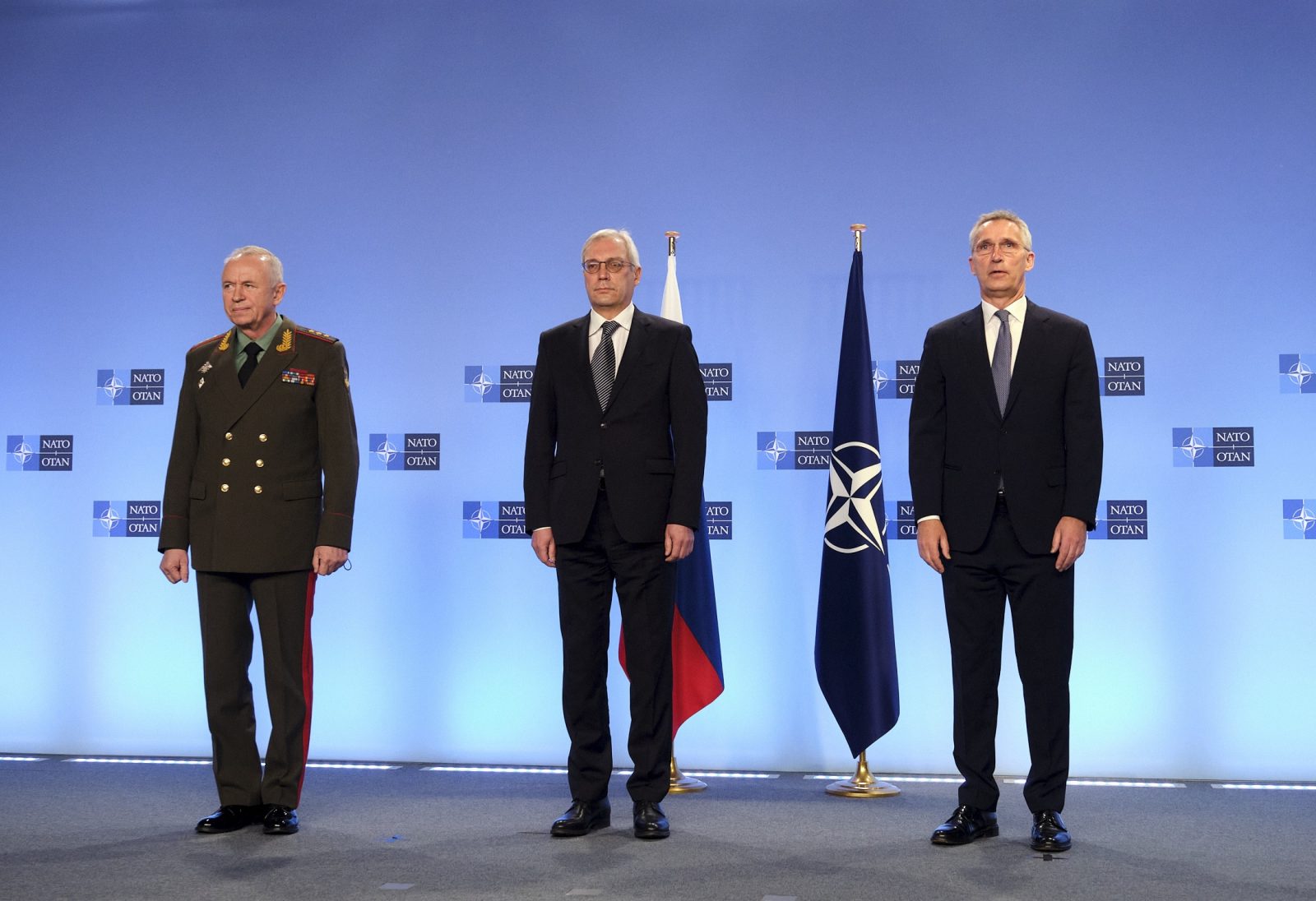
As if a change of government with free elections was possible in Kazakhstan, all regional leaders started to give statements like “coup was repelled” one after another. However, it does not seem plausible to regard the events that began in Kazakhstan on January 2 and peaked on January 5-6, even as a planned uprising. There
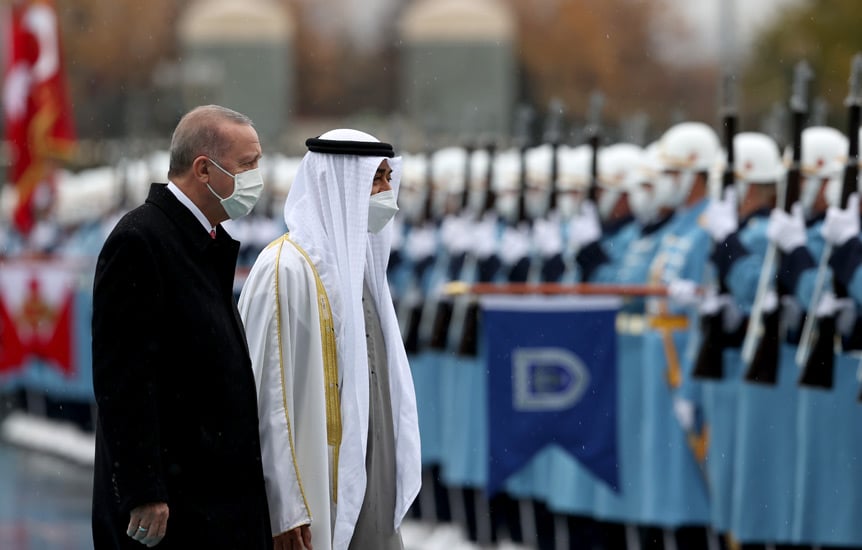
Mohammed Hassan al-Suwaidi, chief executive of ADQ, an Abu Dhabi state investment vehicle, told the Financial Times that the lira’s weakness could provide opportunities, saying it was a “great time” to buy if you take “a long-term view”. The fund is on hunt for investments, from financial institutions to logistics and food, Financial Times wrote.
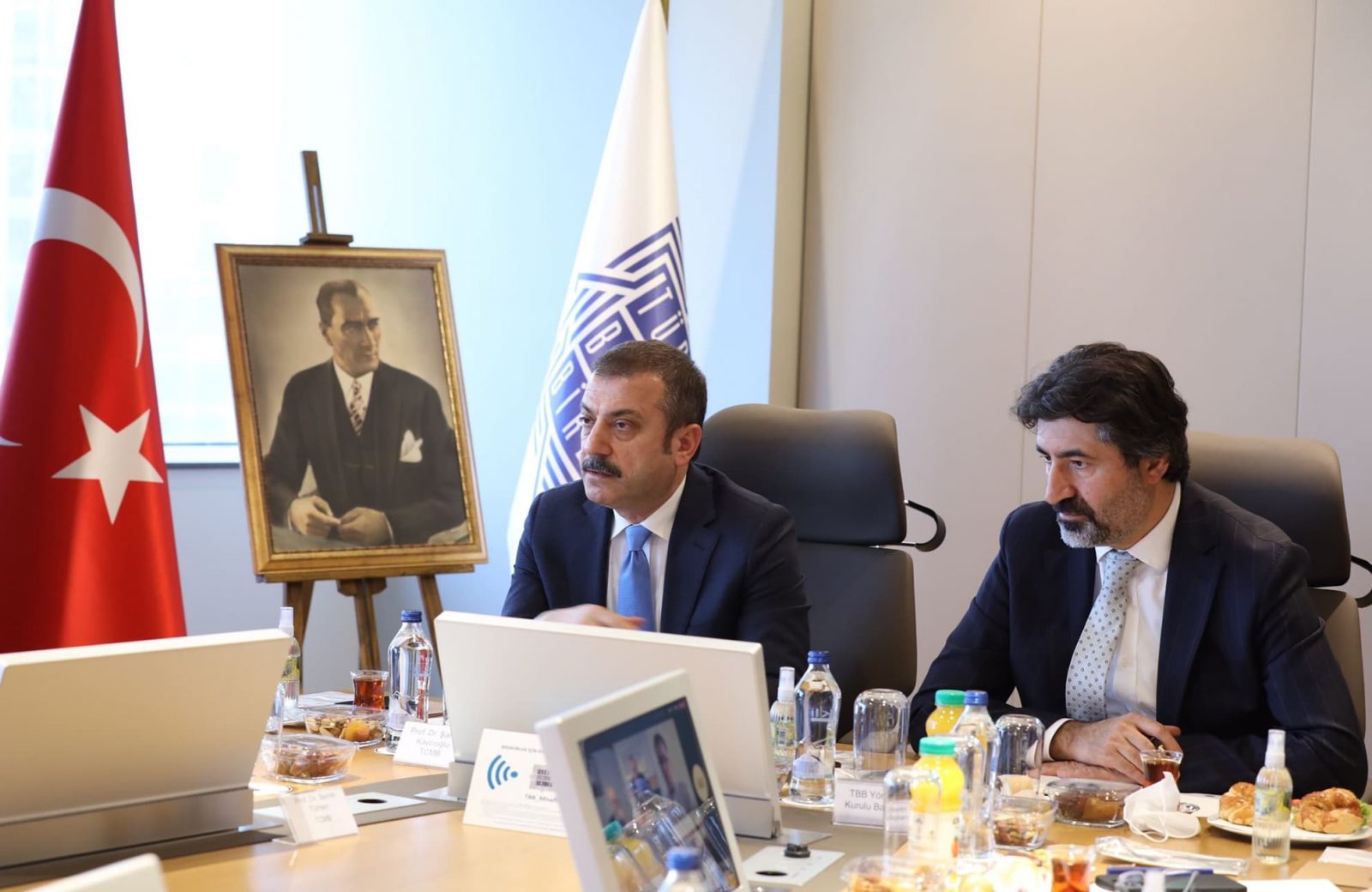

I complain about the directors of the Central Bank of the Republic of Turkey (CBRT) because the Governor of the CBRT and the members of the Monetary Policy Committee flagrantly violated their duty to adhere that the “primary objective of the Bank shall be to achieve and maintain price stability.” imposed by Central Bank Law


Suicide of a student, murder of a women, assault to an immigrant. Turkey read these news one after another on January 11. Medical student Enes Kara committed suicide in a dormitory in Elazig, where his family was forced him to stay. In the video and letter that Kara left behind, we saw the pressures he

One of my friends from business circles shared an interesting analysis with us yesterday. The KONDA research company complied the data they have collected in the last ten years while doing their public surveys and shared it with their subscribers. It shed a light to the transformation that Turkey has gone through in the last