

In mathematics, when solving systems of equations with multiple unknowns, there is the concept of a “temporary variable,” or in the terminology of statistics and economics, a “dummy variable.” If the number of equations you need to solve exceeds the number of variables, you invent variables to fill the gaps in the matrix. Once a

U.S. Ambassador to Ankara and Special Envoy for Syria Tom Barrack said that his country no longer needs the SDF as the “primary ground force” in the fight against ISIS in Syria, and that its original purpose has “come to an end.” In a long message published on his X account (*) following his January
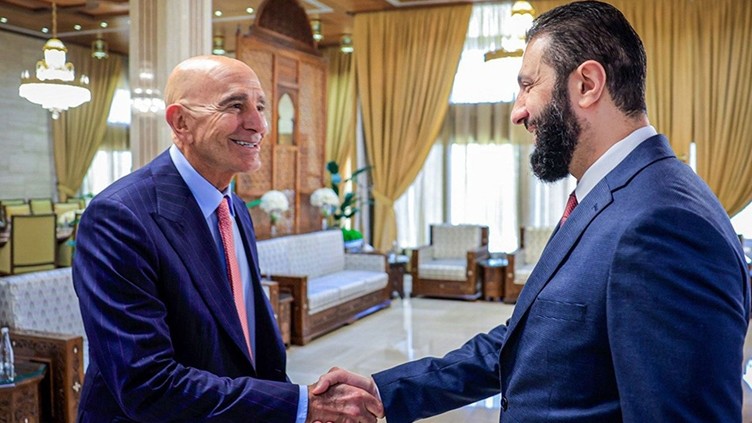
After the Syrian army pushed back SDF forces during a military operation that has been ongoing for the past two weeks, Syrian President Ahmed Shara announced on the evening of January 18 that a ceasefire had been reached with the SDF in northeastern Syria. According to the ceasefire agreement, the SDF will hand over
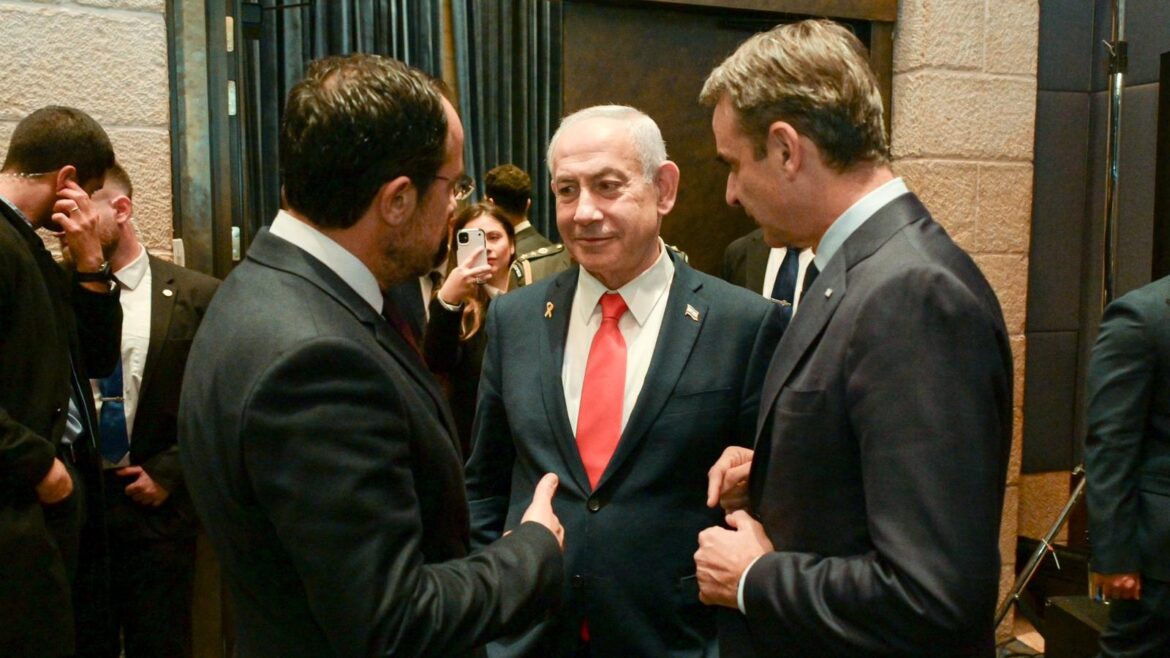
On December 22, the very day Ankara virtually launched an SDF-focused diplomatic offensive toward Damascus, Israel formed an anti-Türkiye alliance together with the governments of Greece and Southern Cyprus. As Foreign Minister Hakan Fidan, Minister of National Defense Yaşar Güler, and National Intelligence Organization (MİT) Director İbrahim Kalın were meeting in Damascus with President Ahmed
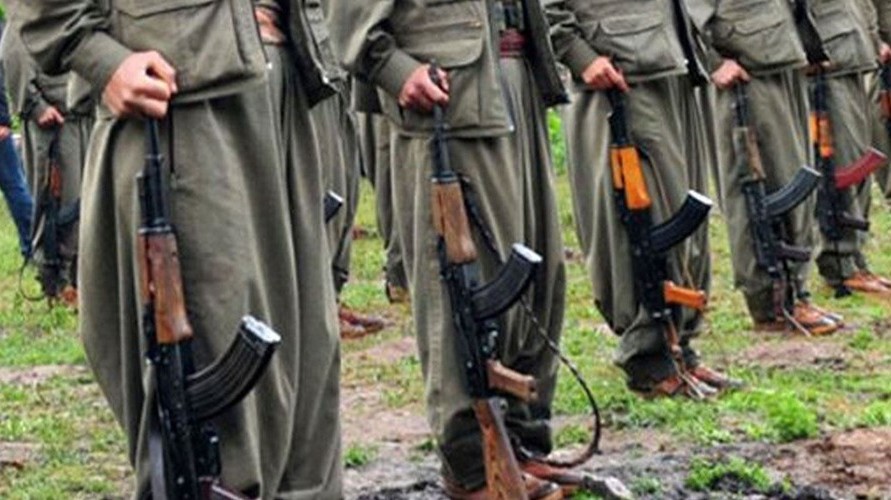

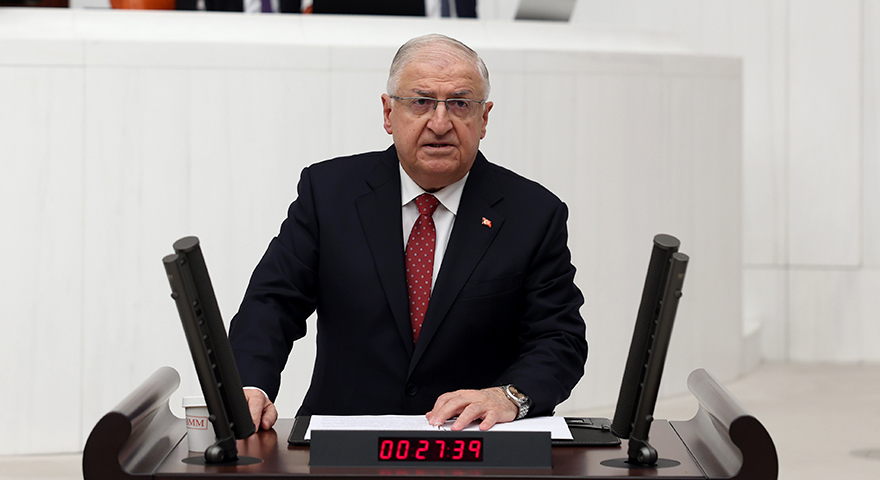
Minister of National Defense Yaşar Güler announced that Türkiye has been providing Tehran with daily intelligence on the PKK and its Iranian affiliate PJAK, which—contrary to their promise to disarm and come to Ankara in anticipation of a regime change in Iran during the Israel–Iran war in June 2025—transferred armed forces from Iraq instead. Speaking
Tension over Syria is rising in Ankara on two interconnected levels. One is the military pressure Israel is exerting on the Ahmed al-Shara administration and on Syria’s sovereignty and territorial integrity. The other is the SDF’s reluctance to take responsibility for the disarmament process—acting as if it has no connection whatsoever with the PKK—while keeping
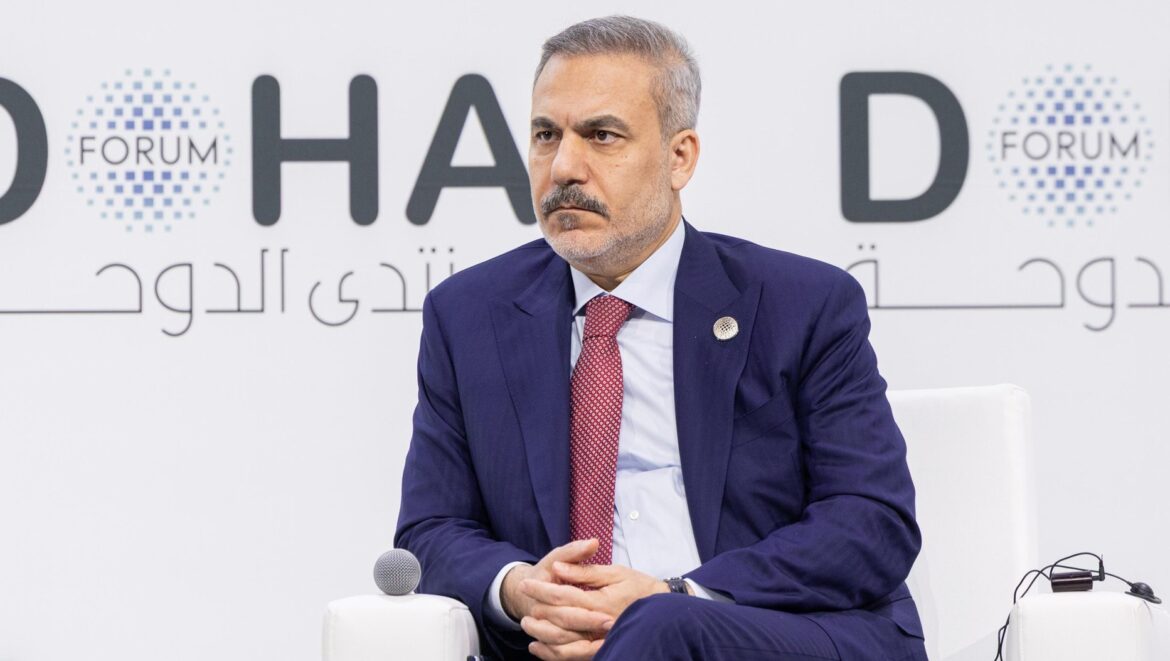
As Syria’s new regime completes its first year on Dec 8, Ankara has sent three warning messages—via the SDF to the PKK and to the SDF’s patron, the United States—indicating that “the wind may turn” if the current course continues: 1. Statements by Foreign Minister Hakan Fidan at the Doha Forum 2. Visits to Damascus
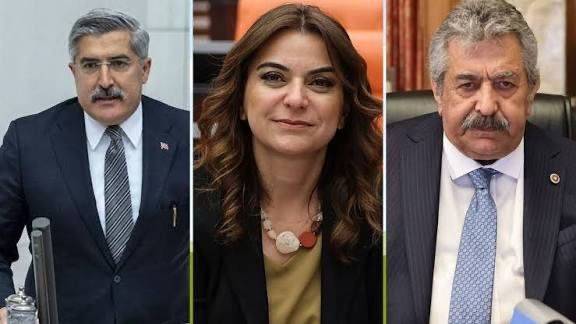
Within the framework of the government’s “Terror-Free Türkiye” project, it was announced that the delegation of the National Solidarity, Brotherhood and Democracy Commission—established under Parliament—met with PKK leader Abdullah Öcalan on İmralı Island Prison on 24 November. In the statement released by the Office of the Speaker of the Grand National Assembly of Türkiye (TBMM),
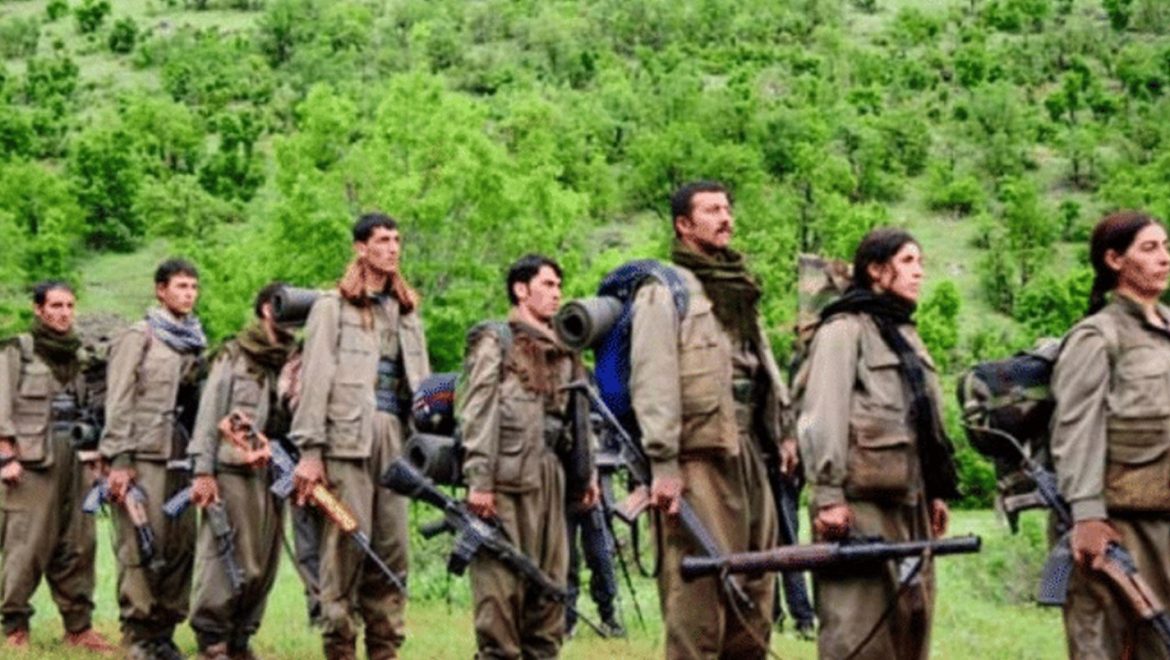

Türkiye’s ongoing peace process with the outlawed Kurdistan Workers’ Party (PKK) holds the potential to end one of the country’s most destructive conflicts of the past four decades. Yet a lasting settlement cannot be achieved in isolation. Unless the Kurdish question in northern Syria is addressed, any peace at home will remain fragile. Instability in
The agreement announced on March 10 on the Kurdish-base Syrian Defense Forces, SDF joining the Syrian army was brokered by the US, with Ankara playing a secondary role. Nevertheless, Ankara does not want to bind itself to the agreement, saying it is “cautiously optimistic” and will observe whether it is implemented by both the Ahmed