
Journalist-Writer
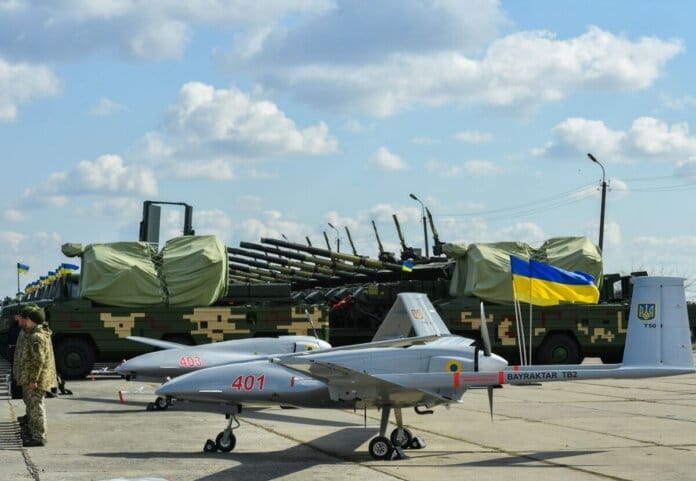

The first government official to utter that the Third World War had actually begun was Ukrainian Presidential Spokesman Mihaylo Podolyak. “You sit in cafes in Brussels, Amsterdam, watch Netflix and think that the war will not touch you,” Podolyak was reproaching on March 4, on the 9th day of Russia’s invasion of Ukraine. A few
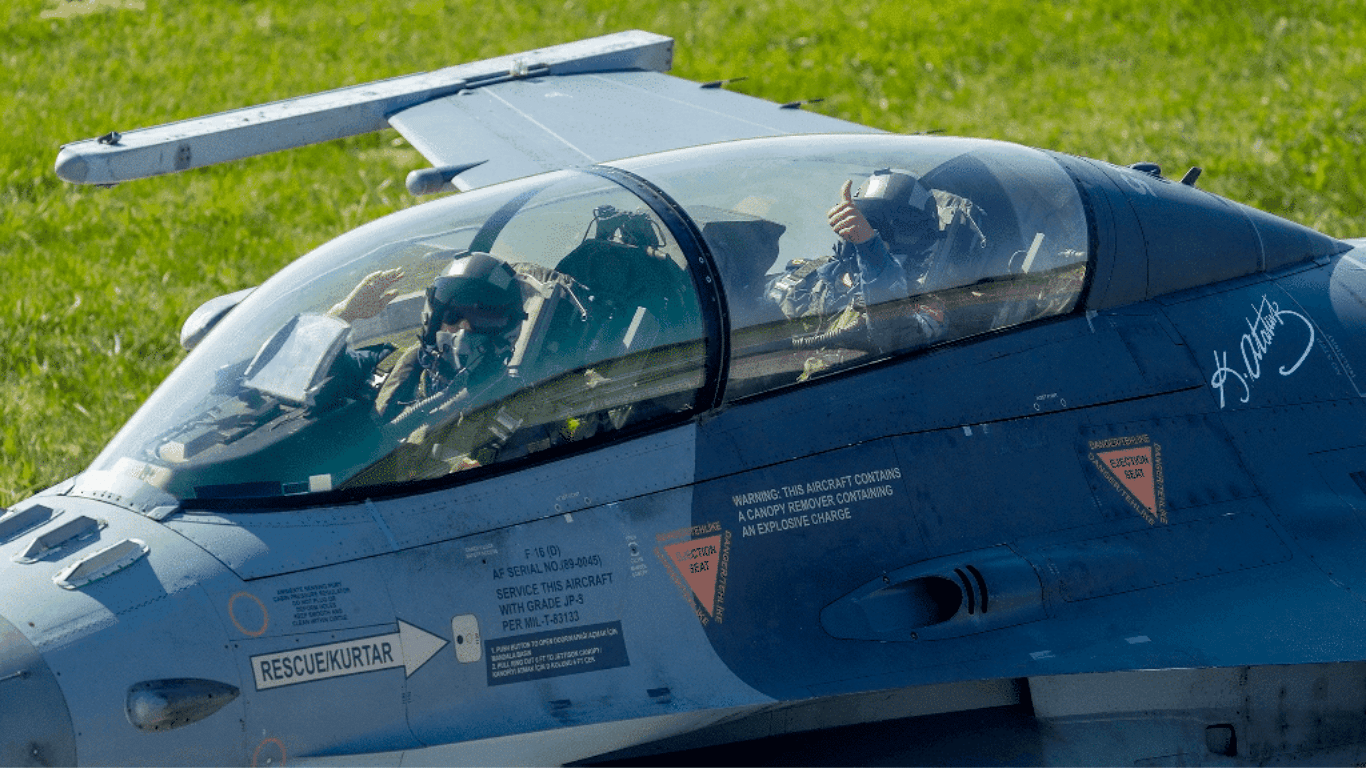
The facilitating policy adopted by Turkey in the Ukraine Crisis may also make the approval of the F-16 modernization demanded from the USA easier. Ankara’s diplomacy to ensure a ceasefire in Ukraine and start the political solution process as soon as possible soon begin to yield results, which may result in mending ties the West
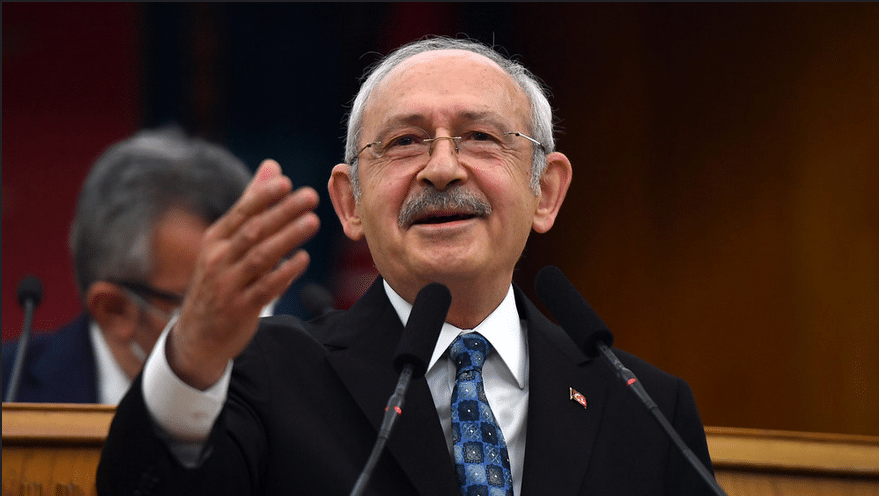
“Do you want to protect your seat by naturalizing asylum seekers and enabling them to vote?” This grave accusation was uttered by main opposition Republican People’s Party (CHP) leader Kemal Kılıçdaroğlu; its subject was President Tayyip Erdoğan. The CHP leader also called for a referendum to ask the public about making refugees citizens and allowing
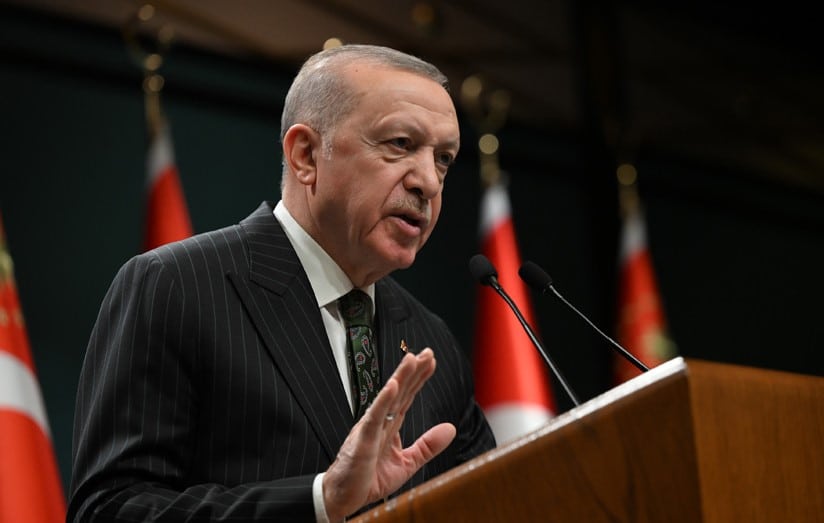
As Turkey gained diplomatic momentum from Russia’s war on Ukraine, President Tayyip Erdoğan is fully aware of his political and economic priorities. He can take two basic steps to leverage Turkey’s diplomatic prominence to its economic advantage and even translate it into votes in upcoming elections. For instance, he may allow the CBRT committee to
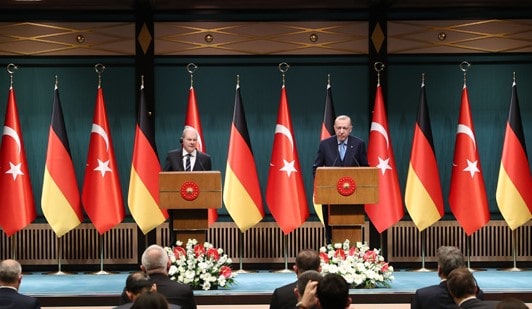
German Chancellor Olaf Scholz was in Ankara for his first visit to Turkey as the chancellor on March 14. He and President Tayyip Erdoğan discussed complex relations between the two countries, but the real issue was the Ukraine crisis. The day before that, on March 13, Erdoğan met with Greek Prime Minister Kriyakos Mitsotakis in
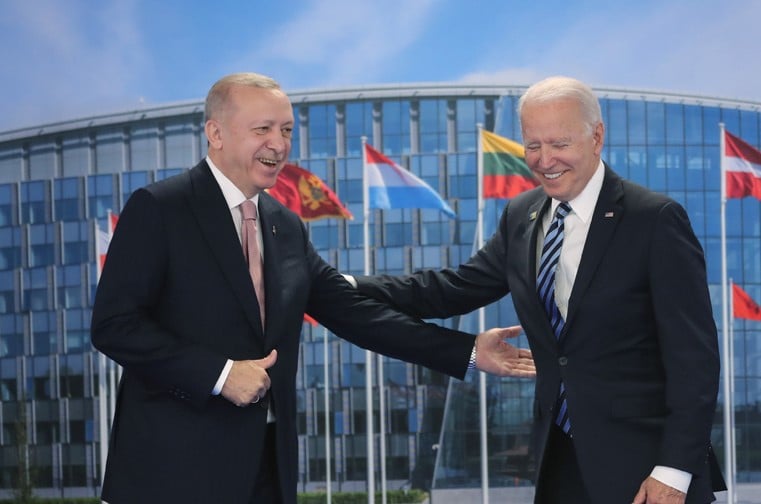
US President Joe Biden and Turkey’s President Tayyip Erdoğan talked for 45 minutes on the phone on March 10. A few hours before, Foreign Minister Mevlüt Çavuşoğlu had brought together the foreign ministers of Russia and Ukraine, Sergey Lavrov and Dimitro Kuleba, in Turkey’s resort city Antalya in Antalya Diplomacy Forum (ADF). Biden’s schedule to
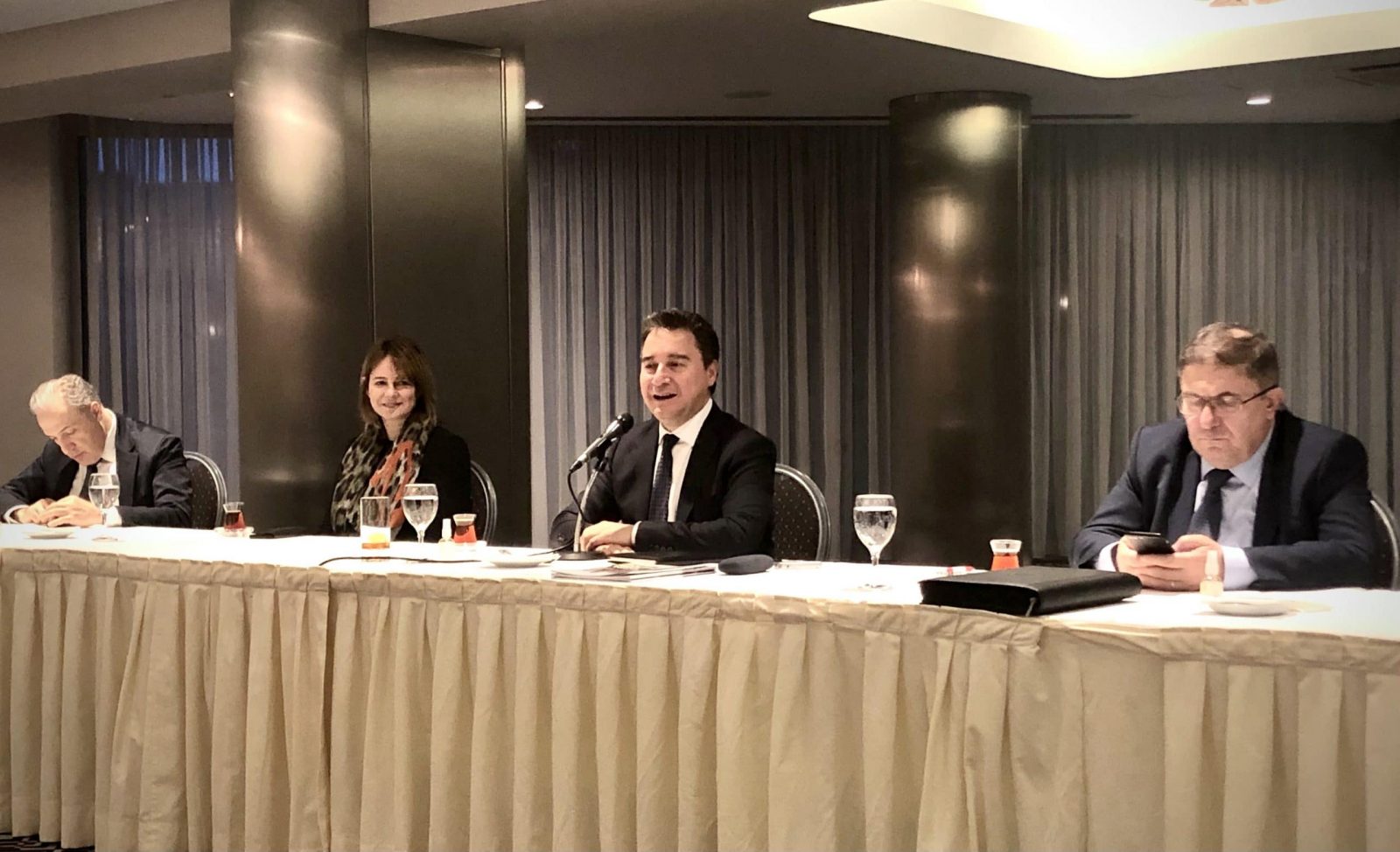
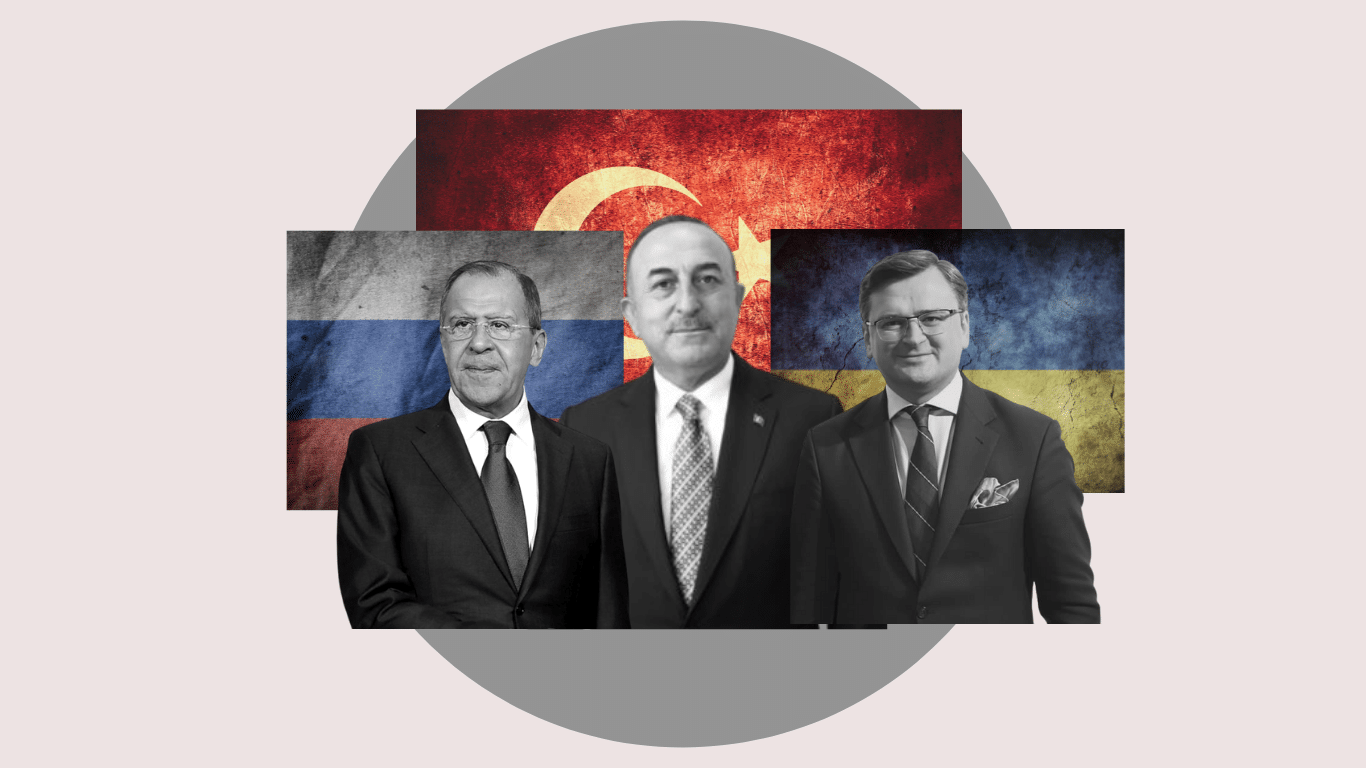
Turkey’s Minister of Foreign Affairs Mevlüt Çavuşoğlu announced on March 7 that Russian Foreign Minister Sergey Lavrov and Ukrainian Foreign Minister Dimitro Kuleba are to meet on Thursday, March 10 in Antalya, Turkey. This tripartite meeting will be the first high-level meeting between the two countries since Russia’s offensive began on February 24. Russian Foreign
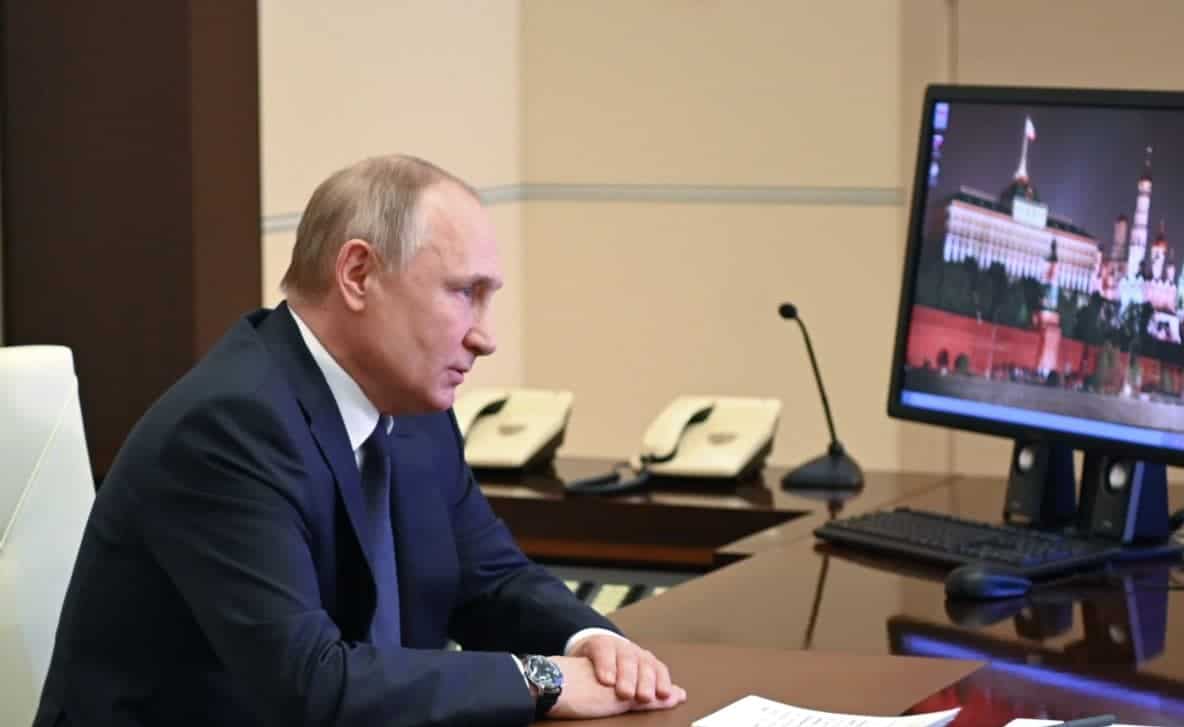
Ankara increased its efforts for a ceasefire Ukraine and to ensure Russia’s invasion to the country do not escalate to a point that would pose a threat to Turkey. However, neither Turkey’s nor other countries’ efforts can soften Russian President Vladimir Putin. President Tayyip Erdogan’s effort to persuade Putin to a ceasefire and humanitarian corridor
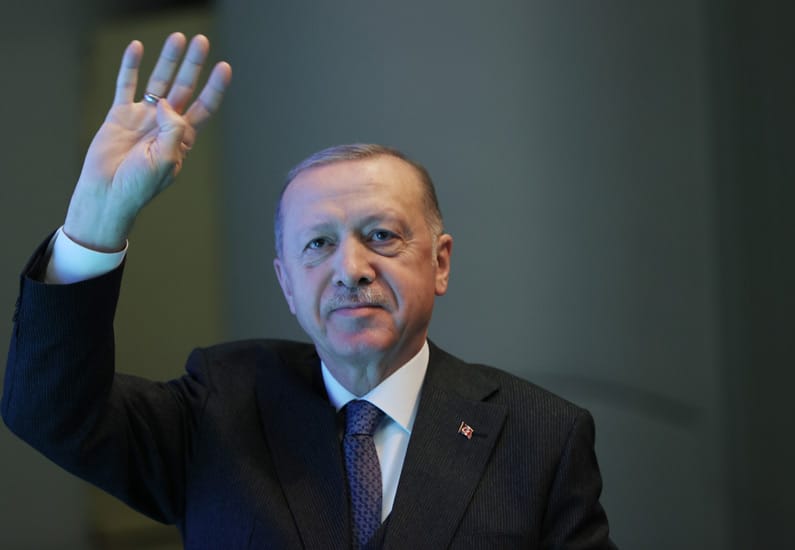
The Ukrainian crisis has become increasingly alarming. The attack of Russian troops on the Zaporizhia nuclear power plant, the largest in Europe, has alarmed everyone, including the International Energy Agency (IEA). Currently, there is no danger of radioactive leakage, but if it does, Turkey may be exposed to fallout; It reminds me of the Chernobyl