Turkish economy: Timely reporting and analysis of economic developments in Turkey with all its structural problems, as one of world’s 20 biggest economies

The rumors that Turkey would withdraw from the Istanbul Convention against violence against women intensified late on March 19. Journalists worked until midnight but could get no answers to their questions, a sign that something bad was going on.The presidential decree on the Offical Gazette after midnight confirmed the rumors.But the leaked information did not

President Recep Tayyip Erdoğan has dismissed Central Bank Gov. Naci Ağbal, only four months after appointing him as part of a new economy administration that replaced the team of former Treasury and Finance Minister Berat Albayrak, the president’s son-in-law. Şahap Kavcıoğlu, a former ruling Justice and Development Party (AKP) lawmaker and former deputy chair of
Foreign Minister Mevlüt Çavuşoğlu gave the first signal that Turkey-Egypt dialogue resumed, a major policy change, when he said March 3 that talks began on the Mediterranean maritime jurisdiction zones. Two days earlier, Egypt had granted licenses for oil and natural gas search companies in line with the maritime jurisdiction map that Turkey presented to

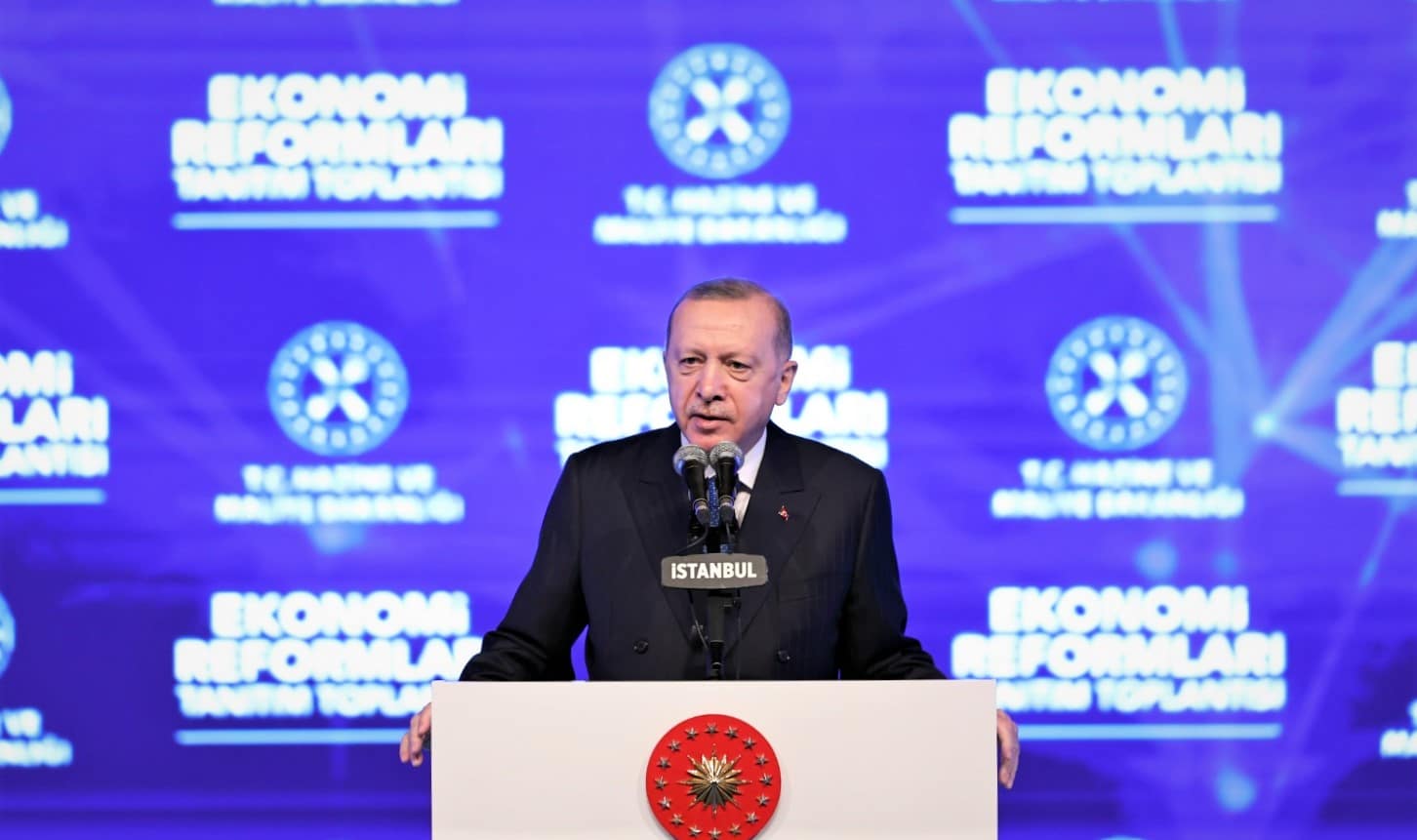
The Economic Reform Package was announced by President Recep Tayyip Erdoğan on March 12. As an economist who specializes in monetary policy, I found the following statement rather struggling: “We will put the frequently mentioned price stability aside.” This remark can have opposite interpretations: 1) Frequent emphasis on price stability increased our awareness on the
The economic reform package announced by President Tayyip Erdoğan on March 12 compares to the Human Rights Action Plan he announced on March 2 in terms of failing to be convincing about introducing a structural change. If Erdoğan had named the plan he announced on March 2 an Administrative Reform in the Judiciary, it would
President Recep Tayyip Erdoğan promised tax exemption for some 850,000 along with cutting public spending in the Economic Reform Package he announced on March 12, bringing Vice President Fuat Oktay to the top seat of the to-be-founded Economic Coordination Council. “Along with macroeconomic policies, a chain of structural measures and transformation are conditional to continue
Turkey registered a 1.8 percent growth rate for 2020 and became one of the few countries that achieved positive growth during the pandemic. The growth performance was primarily a consequence of the excessive credit growth and low interest rate policies adopted during 2020. Yet, the consequent pressures on the TL and the sale of central


It would be appropriate to start this article with a question: “How much does biodiversity contribute to the economy?” Ecologists and economists have sought answers to such questions for decades. Governments of the developing countries, in particular, put forward their answers from different perspectives. Are they successful? My answer is no; because it was environmental
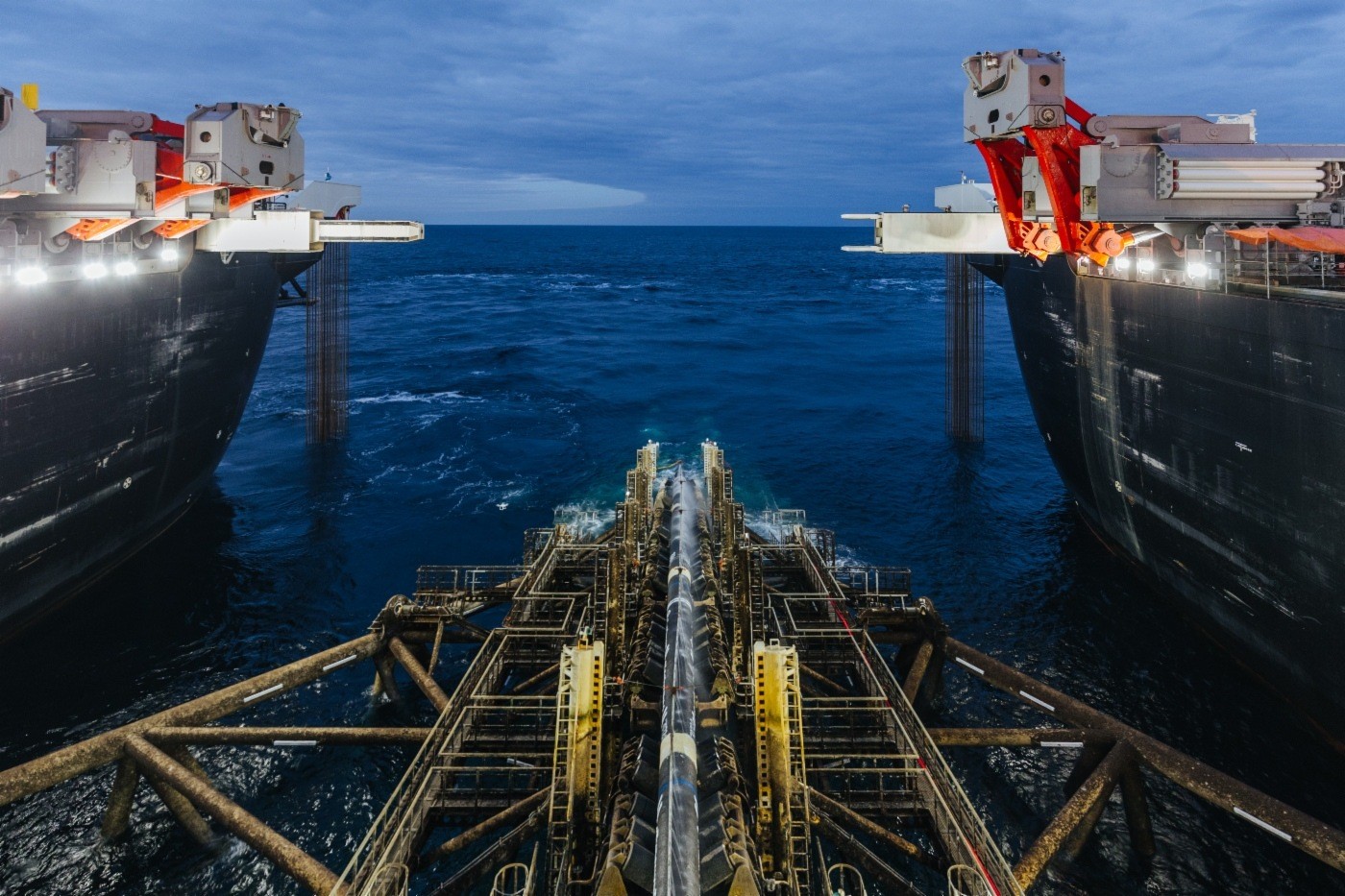

Turkey’s long-term supply contracts, accounting for a third of gas imports will expire this year making 2021 a critical one for the country’s short to mid-term energy strategies. The so-called “Western pipeline,” the very first pipeline to bring Russian gas to Turkey starting from 1997, is about to get “retired,” and some of the contracts