
Turkish Domestic Politics: Analysis and forecast on all relevant developments and insight about Turkish politics with its repercussions in its neighboring countries
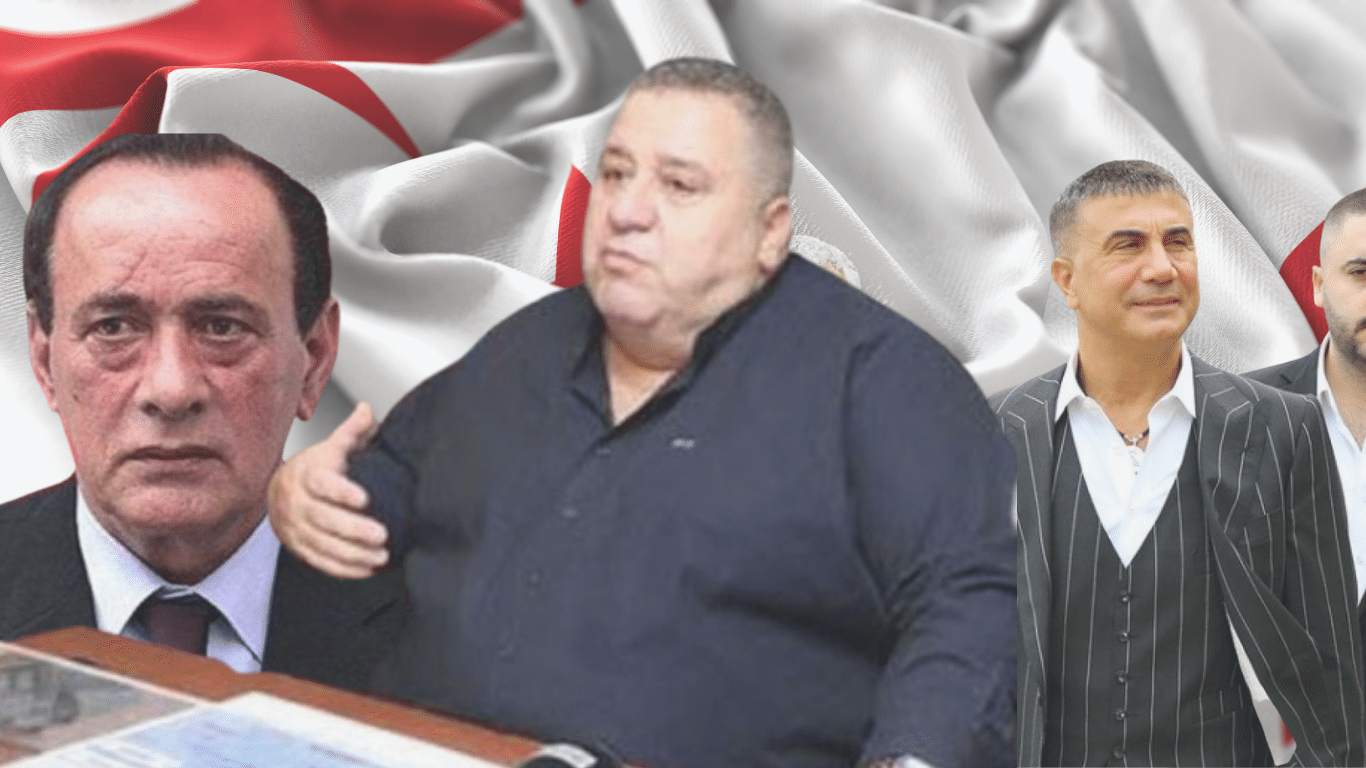

It’s been weeks since he was killed, but the assassination of Halil Falyalı remains a mystery as “A strange mafia story.” Was there behind the “execution” assassination of Halil Falyalı a move to achieve a change of the “baron” of the criminal organization in Northern Cyprus? Or was Falyalı, who came to the Turkish agenda
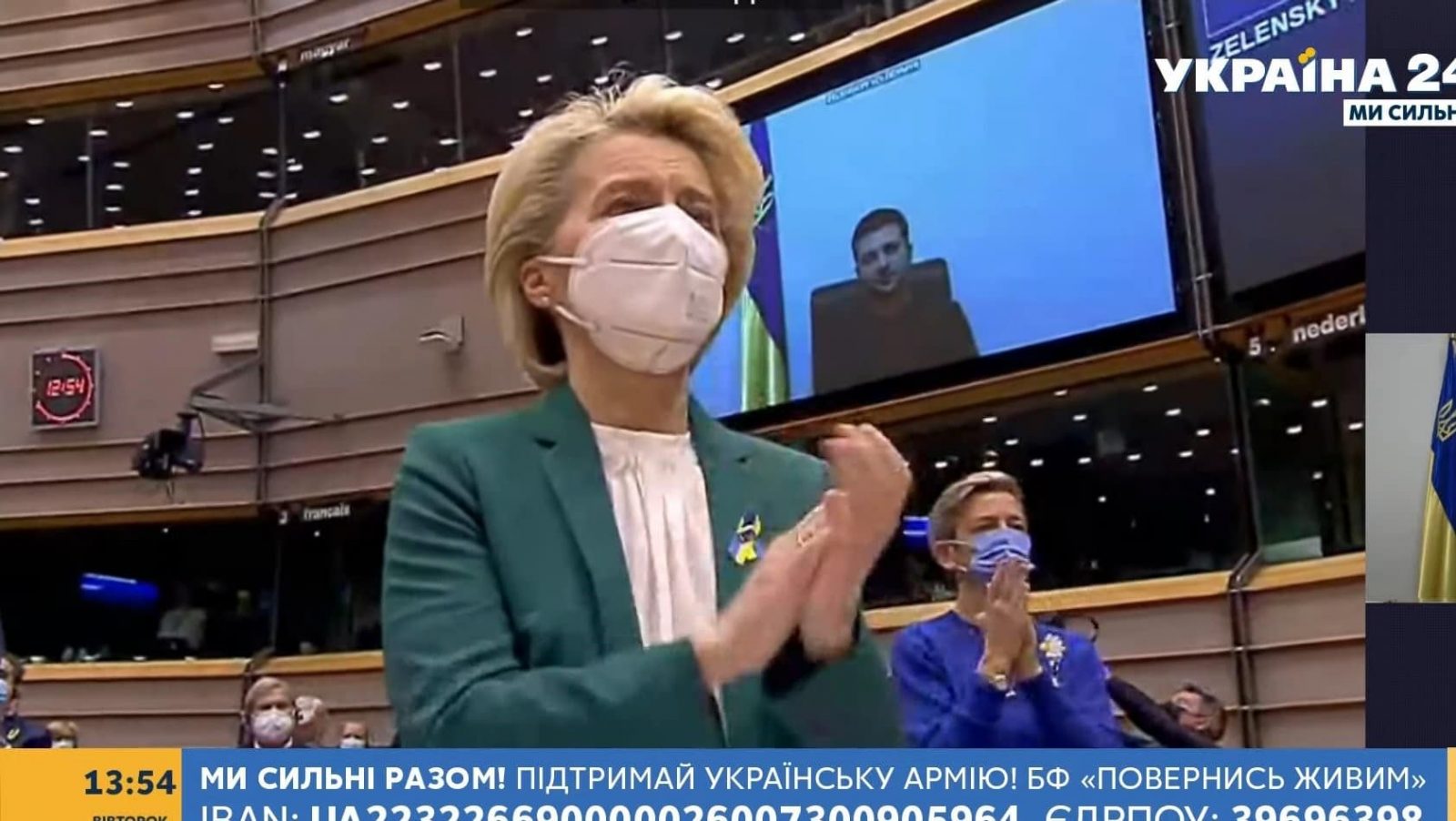

“Ukraine is one of us, and we want to see them in EU,” that is what Ursula von der Leyen, President of the European Commission, said on February 28, about Ukraine under Russian occupation. Turkey’s President Recep Tayyip Erdogan was speaking at the same time, calling out to the EU. “Please show the same sensitivity
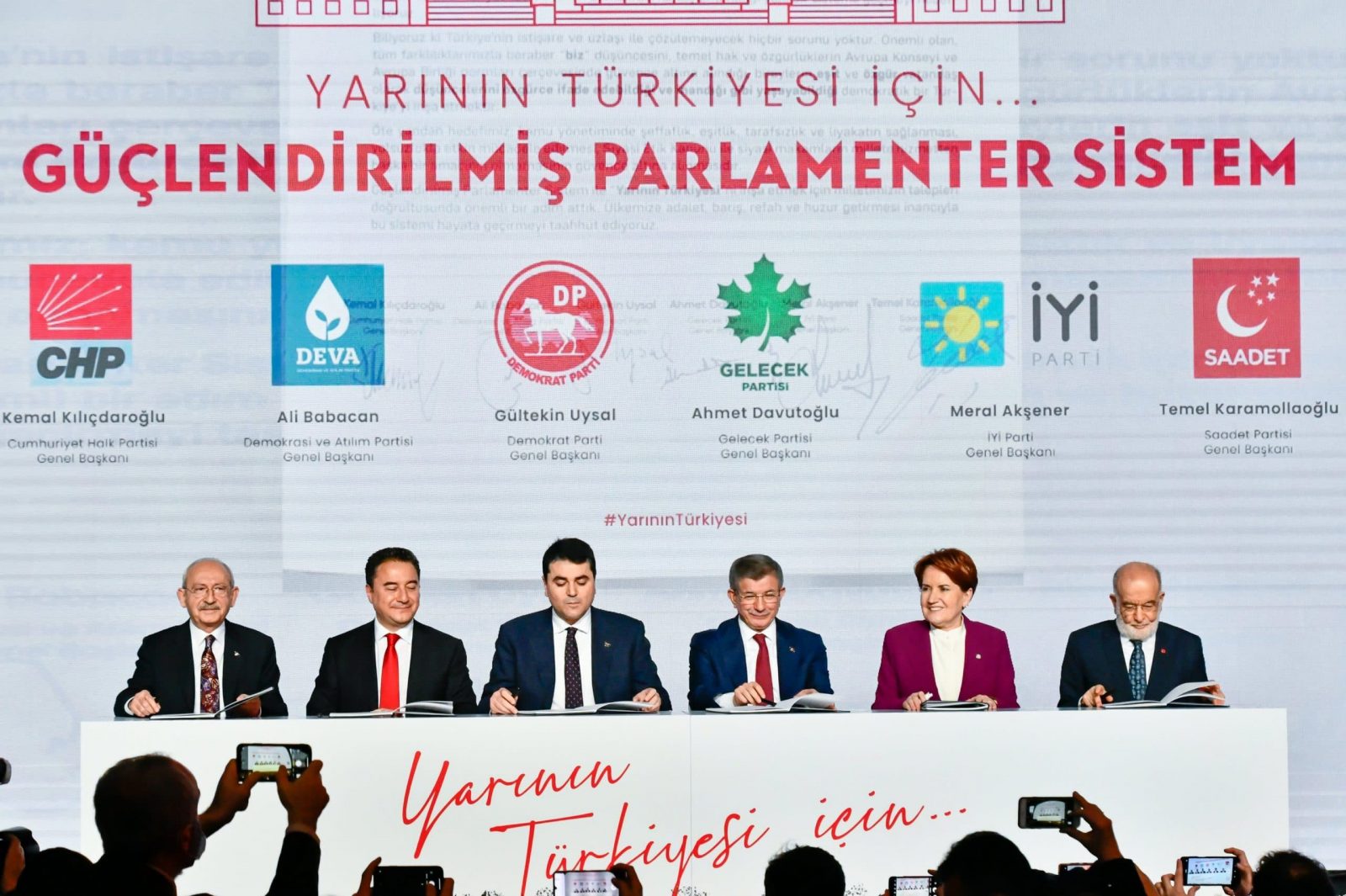
Turkey’s six opposition party leaders sign a draft constitution that their coalition agreed upon after a months collaboration with a public event titled “For Tomorrow’s Turkey,” on February 28. The draft constitution grounds the coalition’s proposition to change current Presidential Government System, which came to an effect with 2017 referendum and transitioning into “Strengthened Parliamentary
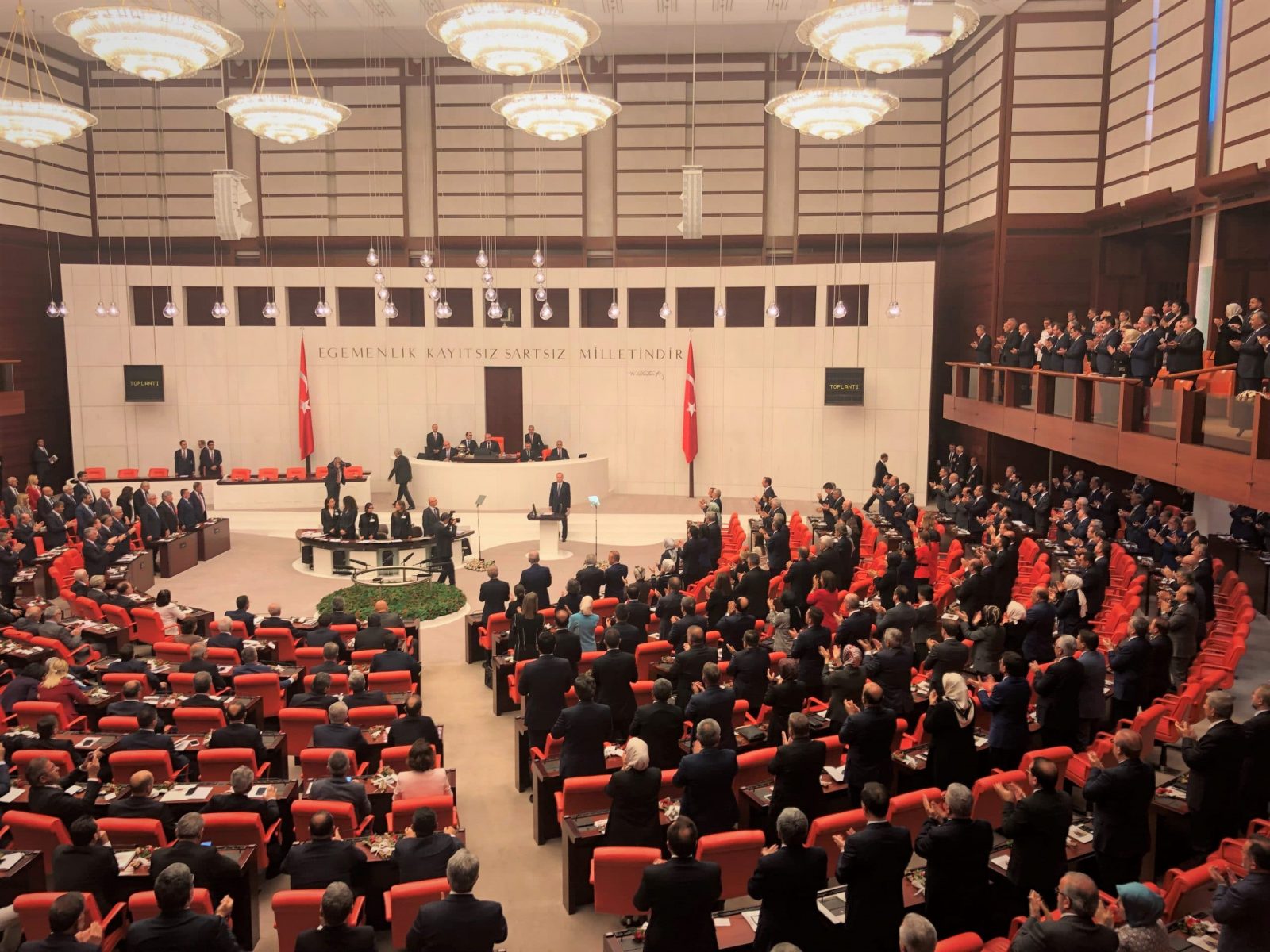
February 28, 2022, marks a critical turning point for Turkey in domestic and foreign policy. Undoubtedly, the most critical development in foreign policy is the ruling Justice and Development Party (AKP) government’s decision to implement the 1936 Montreux Straits Convention in the face of Russia’s invasion of Ukraine. This decision, which will restrict the passage

A high-rank Turkish official said that Ankara “has not yet decided how to implement the Montreux convention”. Kyiv has been asking Ankara for some time to stop Russian warships from entering the Black Sea from the Mediterranean by implementing the Montreux Convention of 1936 about the maritime regime. In a Tweet on Feb 26 afternoon
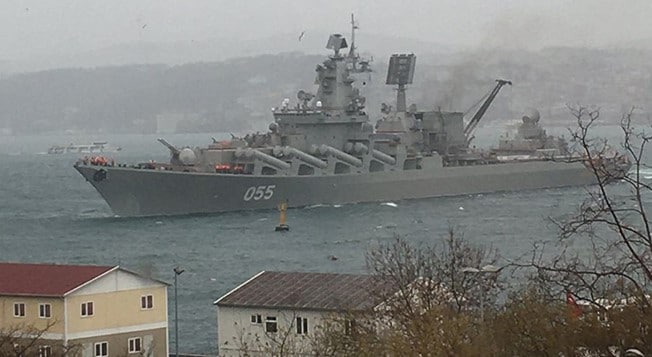
Russia officially entered Ukraine. Conflicts began. The airports of the Ukrainian capital, Kiev, and its important city, Kharkiv, have been rendered inoperable. News followed one another, some of which denied later about the parachute landing of the Russian Spetsnaz troops to Kharkiv, the landing of Russian tanks in the port of Odessa in the Black
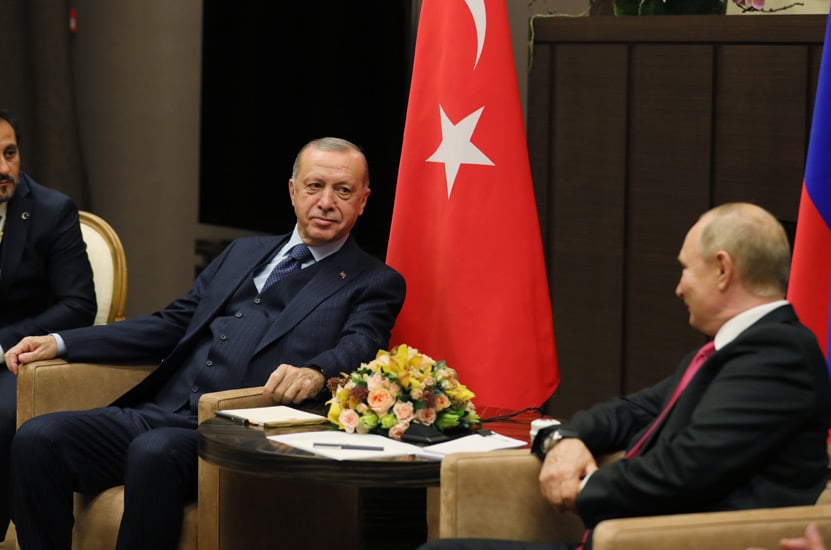
Ukraine crisis challenged Turkey-Russia relations in another dimension where the political and defense aspects, as in the case of the S-400 missiles, follow the economic aspect, which is more likely to have more profound effect on Turkish public. In this rough patch, natural gas, tourism, agriculture and contracting services came to a fore in terms
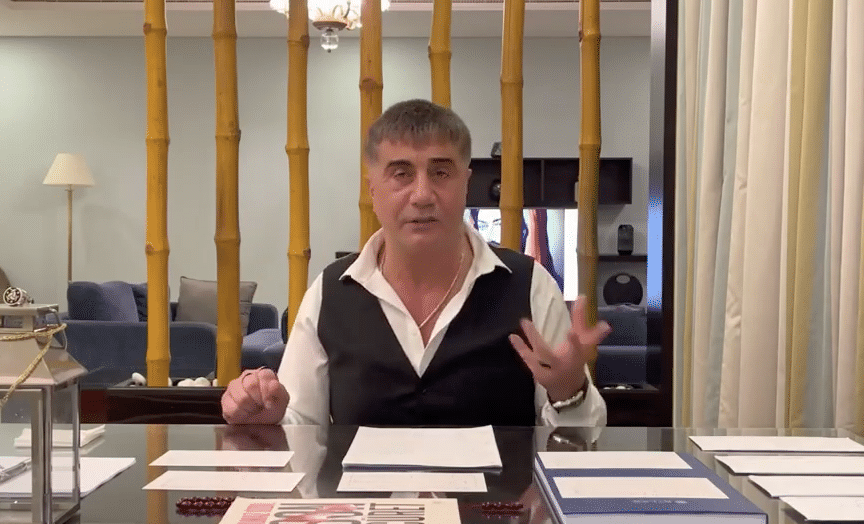

Turkey issued a request to United Arab Emirates (UAE) for detention and repatriation of convicted Turkish mob leader Sedat Peker, who was convicted after publicizing corruption allegations against ruling Justice and Development Party (AKP) government officials and political figures via social media. Turkey’s Ministry of Justice issued a formal request to UAE for temporary detention
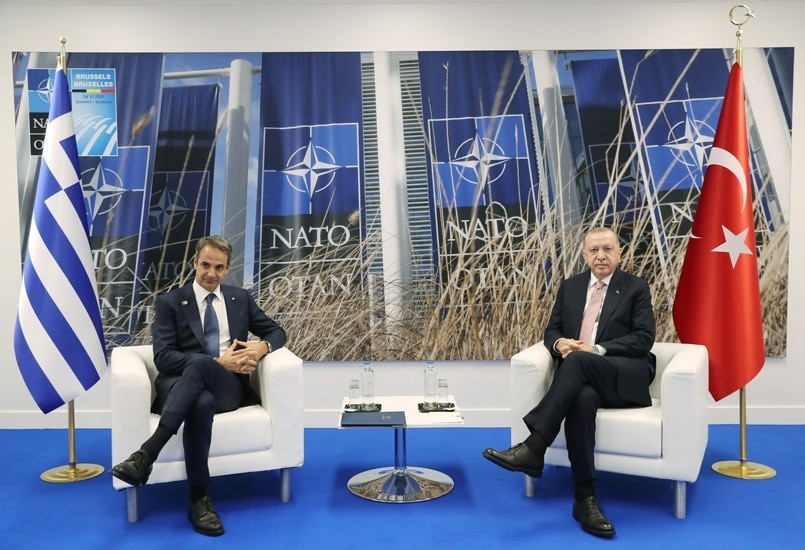
Fatih Ceylan1, Alper Coşkun2 The 70th anniversary of Turkey and Greece joining NATO was recently commemorated. Yet, just days before that we witnessed a Turkish fisherman’s bold stance against a Greek coast guard boat’s aggressive posturing in the Aegean Sea. This incident reminded us once again that notwithstanding their bond as allies, Turkey and Greece
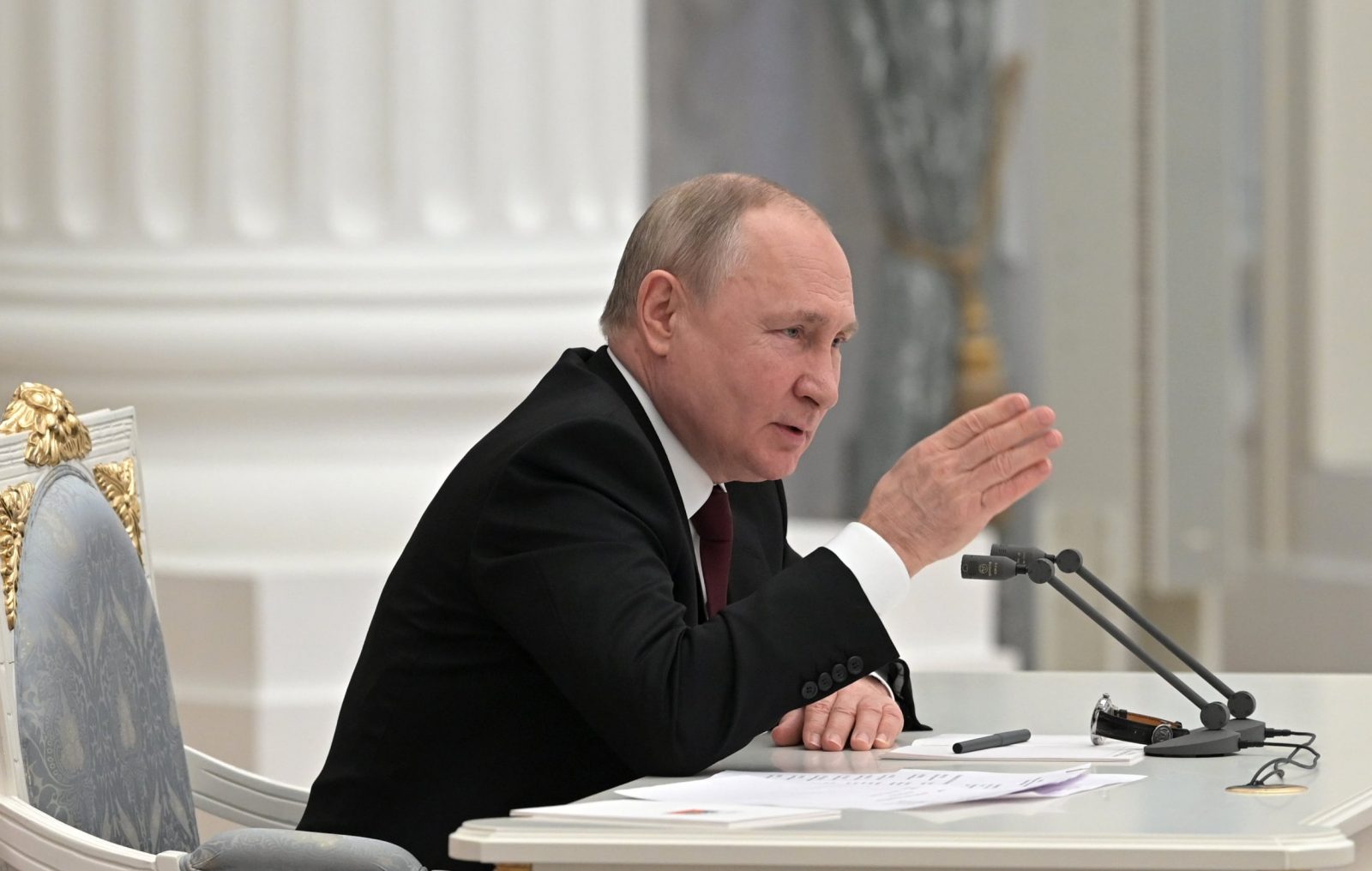
Shortly after Russian President Vladimir Putin recognized the independence of breakaway states of Donetsk and Luhansk in eastern Ukraine in February 21, Turkey’s Ministry of Foreign Affairs announced that Turkey would not recognize the decision. Stating that the recognition was a “clear violation of Ukraine’s political unity, sovereignty and territorial integrity,” Ministry added that “The